

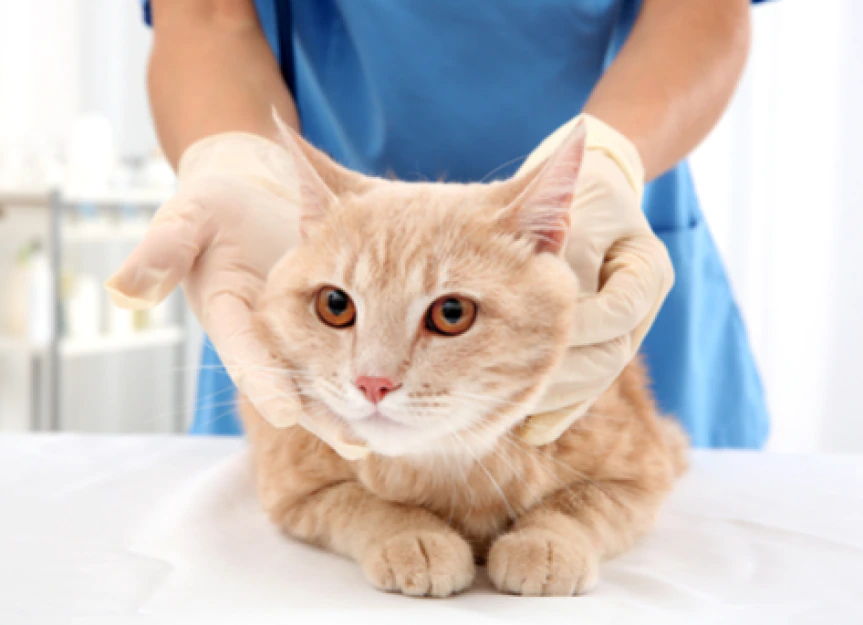
Why is My Cat's Fur Greasy? Understanding Oily Cat Coat Issues
Here's a fact that slaps you in the face: a greasy coat in cats isn't always about hygiene. Sometimes, it's a glaring neon sign pointing to underlying health problems you'd never suspect. I've seen it in the exam room a million times: owners thinking it's just laziness, when it's actually diabetes or hyperthyroidism rearing its ugly head.
Busy Owners: A greasy coat in cats is often due to underlying health issues, not just poor grooming. Conditions like obesity, diabetes, or arthritis can prevent self-grooming. Consult your vet for blood work and a physical exam to pinpoint the cause and start appropriate treatment.
Why is My Cat's Fur Suddenly Greasy and Matted? The Clinical Perspective
A greasy or matted coat in a cat usually indicates a disruption in their normal grooming habits. This disruption can stem from various factors, ranging from physical limitations to underlying metabolic diseases. When a cat stops grooming, the natural oils produced by their skin, meant to be distributed evenly through grooming, accumulate, leading to that greasy feel. Think of it like this: cats spread sebum with their tongue-spines. No grooming, no sebum spread.
From a biological standpoint, conditions like arthritis can cause pain and reduced mobility, making it difficult for a cat to reach certain areas of their body. This is especially true for the spine and hindquarters. Obesity presents a similar challenge. Overweight cats may not be physically able to groom themselves properly. Metabolic diseases like diabetes and hyperthyroidism can also lead to lethargy and decreased self-care. In hyperthyroidism, for instance, the overproduction of thyroid hormones increases metabolic rate, sometimes leading to poor coat quality despite, or sometimes because of, increased appetite.
Obesity and Greasy Cat Fur: What's the Connection?
Obesity is a common culprit behind a greasy coat in cats. Overweight cats often struggle to reach all areas of their body during grooming, particularly their back and hindquarters. This leads to an accumulation of natural oils and dead skin cells, resulting in a greasy or oily feel to the fur. Honestly, it's like they're marinating in their own dander.
The underlying biology here is pretty straightforward. A healthy cat maintains its coat by regularly distributing sebum, an oily secretion from the sebaceous glands, which keeps the skin moisturized and the fur waterproof. When a cat is too large to groom effectively, this process breaks down. Additionally, obesity can sometimes lead to changes in skin structure and function, further contributing to the problem. I tell my clients that it's like trying to wash your back when you can't reach it – eventually, it's going to get gross.
Home-Care Hacks for Obese Cats with Oily Fur
- Dietary Changes: Switching to a high-protein, low-carbohydrate diet can help your cat lose weight and improve overall health.
- Assisted Grooming: Use a soft brush or grooming wipes to help your cat clean hard-to-reach areas.
- Playtime: Encourage physical activity with interactive toys to promote weight loss.
Underlying Diseases: Could Diabetes or Hyperthyroidism Be Causing My Cat's Oily Coat?
Certain underlying diseases can manifest as changes in coat quality, including a greasy or oily texture. Diabetes and hyperthyroidism are two common culprits. Diabetes can affect the skin's ability to regulate oil production, while hyperthyroidism can lead to changes in metabolism that impact coat health. What I see in the clinic is that these cats often present with other symptoms as well, like increased thirst or urination.
From a biological perspective, diabetes disrupts glucose metabolism, leading to elevated blood sugar levels. This can damage various organs and tissues, including the skin. The resulting changes can affect the sebaceous glands and hair follicles, leading to increased oil production and a greasy coat. Hyperthyroidism, on the other hand, involves an overproduction of thyroid hormones, which accelerates metabolism. This can lead to weight loss, increased appetite, and changes in coat quality, including a greasy or matted appearance. The accelerated metabolism can also increase sebum production, further contributing to the problem.
The Red Flag Checklist: When to See a Vet for Your Cat's Greasy Fur
- Sudden Change: If your cat's coat suddenly becomes greasy or oily, it's a cause for concern.
- Other Symptoms: Look out for other symptoms like increased thirst, urination, or weight loss.
- Lack of Grooming: If your cat stops grooming altogether, seek veterinary attention.
Arthritis and Dental Disease: How Do These Conditions Affect Cat Grooming Habits?
Arthritis and dental disease are two often-overlooked causes of poor grooming habits in cats. Arthritis can cause pain and stiffness, making it difficult for cats to groom themselves properly. Dental disease can cause oral pain, making it uncomfortable for cats to groom their fur. It's a domino effect: pain leads to less grooming, which leads to a greasy coat.
Biologically speaking, arthritis involves inflammation and degeneration of the joints. This can lead to chronic pain and reduced mobility, making it difficult for cats to reach certain areas of their body during grooming. Dental disease, on the other hand, involves inflammation and infection of the gums and teeth. This can cause oral pain and discomfort, making it painful for cats to groom themselves. The pain can also lead to a decrease in appetite and overall lethargy, further contributing to poor grooming habits. If you've ever had a toothache, you know how distracting pain can be.
Home-Care Hacks for Cats with Arthritis or Dental Issues
- Joint Supplements: Consider giving your cat joint supplements containing glucosamine and chondroitin to help reduce inflammation and improve joint health.
- Dental Care: Brush your cat's teeth regularly or use dental chews to help prevent dental disease.
- Soft Bedding: Provide soft, comfortable bedding to help cushion your cat's joints.
How is Oily Cat Fur Diagnosed? What Tests Will My Vet Perform?
Diagnosing the underlying cause of oily cat fur typically involves a thorough physical exam, blood work, and possibly a urinalysis. Your vet will assess your cat's overall health and look for any other symptoms that may provide clues. Blood work can help identify underlying metabolic diseases like diabetes or hyperthyroidism, while a urinalysis can help assess kidney function and detect urinary tract infections.
From a clinical perspective, blood tests will often include a complete blood count (CBC) and a serum chemistry profile. The CBC can reveal signs of infection or inflammation, while the chemistry profile can assess organ function and electrolyte balance. Specific tests for thyroid hormones (T4) may be performed to rule out hyperthyroidism. Urinalysis can help detect glucose in the urine (a sign of diabetes) and assess kidney function. In some cases, skin scrapings or biopsies may be necessary to rule out skin infections or other dermatological conditions. The physical exam is mission-critical; I'm feeling for muscle loss, palpating the thyroid, and checking for dental tartar.
How to Treat Your Cat’s Greasy Hair: A Step-by-Step Guide
Treatment for greasy cat fur depends entirely on the underlying cause. If obesity is the culprit, weight management strategies are essential. If diabetes or hyperthyroidism is diagnosed, medication and dietary changes may be necessary. Arthritis may require pain management and joint supplements. Honestly, it's all about addressing the root cause.
From a biological standpoint, treating the underlying condition will often resolve the greasy fur issue. Weight management for obese cats involves reducing caloric intake and increasing physical activity. Diabetic cats may require insulin injections and dietary changes to regulate blood sugar levels. Hyperthyroid cats may be treated with medication, radioactive iodine therapy, or surgery to remove the affected thyroid gland. Arthritic cats may benefit from pain medication, joint supplements, and physical therapy. Once the underlying condition is managed, the skin and coat should return to normal.