

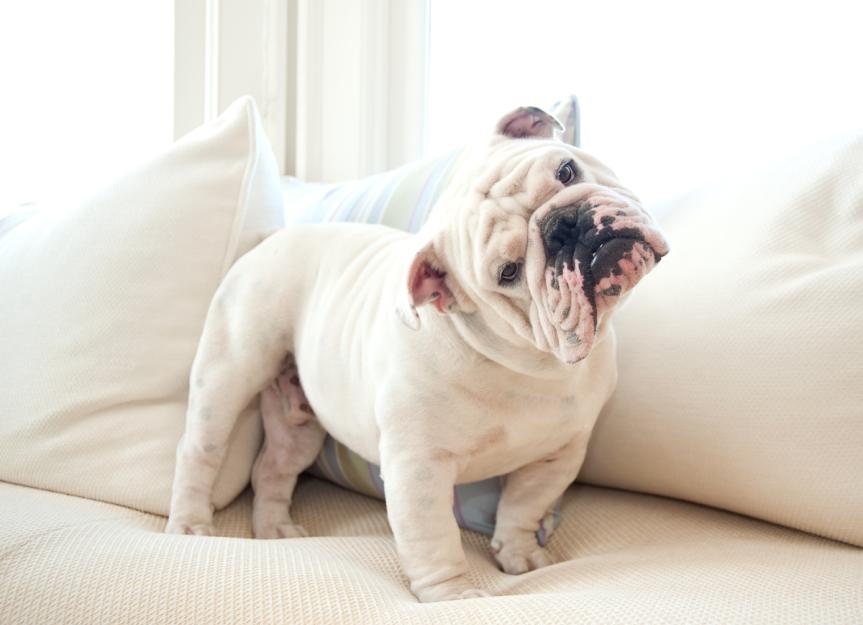
Why Does My Dog Tilt Their Head? Decoding the Mystery
Here's something I tell my clients all the time: that adorable head tilt isn't just a sign of attentiveness. While we love to think our dogs are hanging on our every word, the reasons behind this behavior are actually rooted in a complex interplay of hearing, vision, and even cognitive processing. It’s a bit of a biological puzzle, honestly.
For Busy Owners: Dogs tilt their heads to better understand sounds or improve their vision. It might also be linked to cognitive processing, especially in gifted word learners. However, a persistent head tilt unrelated to external stimuli could signal a medical issue, warranting a vet visit.
Why Does My Dog Tilt Their Head When I Talk? The Auditory Angle
Dogs often tilt their heads to better pinpoint the source of a sound. This adjustment helps them process auditory information more efficiently. Think of it as your dog trying to optimize their "soundstage," much like adjusting speakers for optimal acoustics. The underlying mechanism involves minute adjustments in the muscles of the inner ear, impacting the sensitivity of the cochlea to different frequencies.
The clinical perspective: Dogs have a slightly different ear anatomy than humans, which affects how they perceive sound directionally. Tilting the head allows them to triangulate the sound source more accurately. This is particularly true for high-frequency sounds, where even a slight head adjustment can dramatically alter the sound's arrival time at each ear. It's about maximizing interaural time difference, if you want to get technical.
Home-Care Hacks: Sound Enrichment for Your Dog
Try playing different types of music or soundscapes for your dog and observe their reactions. Do they tilt their head more to certain frequencies or instruments? This can be a fun way to engage their auditory senses. Also, be mindful of the volume and avoid sudden loud noises that could startle them.
The Red Flag Checklist: When is a Head Tilt a Problem?
If the head tilt is persistent, accompanied by other symptoms like loss of balance (ataxia, in vet-speak), circling, or nystagmus (rapid eye movements), it’s time to worry. These signs can indicate vestibular disease or other neurological problems. Don't wait; get them to the vet ASAP. Honestly, I'd rather be safe than sorry when it comes to neurological signs.
Is My Dog Tilting Their Head to See Better? The Visual Explanation
A dog's snout can obstruct its field of vision, especially when focusing on objects directly in front of them. By tilting their head, they may be attempting to circumvent this obstruction and gain a clearer perspective. It’s like trying to peek around a corner – the head tilt adjusts their line of sight to reduce the obstruction caused by their nose.
The clinical perspective: Brachycephalic breeds (those with short, flat faces) may be more prone to head-tilting for visual reasons due to their compressed facial structure. The shape of the skull and the placement of the eyes influence the visual field. Head tilting compensates for the limited binocular vision in these breeds, enhancing depth perception.
Home-Care Hacks: Optimize Your Dog's Visual Environment
Observe how your dog interacts with objects at different heights. Do they tilt their head more when looking at something on the floor versus something at eye level? Adjusting the environment to minimize visual obstructions can help. For example, elevate their food and water bowls if they seem to struggle to see them clearly.
The Red Flag Checklist: Vision-Related Concerns
If the head tilt is accompanied by squinting, excessive blinking, or any signs of eye irritation (redness, discharge), there might be an underlying eye problem. Glaucoma or cataracts can sometimes manifest as subtle behavioral changes, including head tilting. A thorough ophthalmic exam is warranted if you suspect vision issues.
Why Does My Dog Tilt Their Head When I Say Words? The Cognitive Connection
Head tilting may be linked to cognitive processing, particularly in dogs with a strong vocabulary. When a dog hears a familiar word or phrase, the head tilt could be a way of accessing and processing the associated memory or image. The mechanism likely involves activation of specific neural pathways in the brain, linking auditory input with visual and semantic memory.
The clinical perspective: The study on "Gifted Word Learners" (GWL) is pretty compelling. These dogs, capable of learning multiple toy names, tilted their heads significantly more often when asked to identify a specific toy. This suggests that head tilting is not just a random behavior but a deliberate cognitive strategy used to aid in recall and recognition. It’s like they’re saying, “Wait, let me access the mental Rolodex…”
Home-Care Hacks: Boost Your Dog's Brainpower
Engage your dog in regular training sessions and cognitive games. Teach them new words and commands, and reward them for correct responses. Puzzle toys that require problem-solving can also stimulate their cognitive function. The more you challenge their brain, the more likely they are to develop and refine these cognitive strategies.
The Red Flag Checklist: Cognitive Decline Warning Signs
If the head tilting is accompanied by other signs of cognitive dysfunction, such as disorientation, changes in sleep patterns, or loss of learned behaviors, it could indicate cognitive decline or dementia. In older dogs, beta-amyloid plaques can accumulate in the brain, disrupting neural pathways and leading to these symptoms. A vet visit is crucial to rule out other medical causes and discuss potential management strategies.
When Is a Dog Tilting Their Head a Reason for Concern? Recognizing Vestibular Disease
A persistent head tilt, especially when accompanied by other neurological signs, can be a red flag for vestibular disease. This condition affects the inner ear and brainstem, disrupting balance and spatial orientation. The underlying cause can range from infections to tumors, but the hallmark symptom is a pronounced and unwavering head tilt.
The clinical perspective: Vestibular disease can be incredibly distressing for both the dog and the owner. Affected dogs often exhibit ataxia (uncoordinated gait), nystagmus (involuntary eye movements), and nausea. The vestibular system, responsible for maintaining balance, is compromised, leading to these symptoms. In severe cases, dogs may be unable to stand or walk without assistance.
Home-Care Hacks: Supporting a Dog with Vestibular Disease
Provide a safe and comfortable environment for your dog. Keep them confined to a small, padded area to prevent falls and injuries. Offer food and water in easily accessible bowls, and assist them with elimination as needed. Gentle massage and physical therapy can help improve their balance and coordination.
The Red Flag Checklist: Vestibular Crisis
If your dog suddenly develops a severe head tilt, along with loss of balance, vomiting, and inability to stand, seek immediate veterinary attention. Vestibular disease can sometimes be caused by serious underlying conditions, such as brain tumors or strokes. Early diagnosis and treatment are crucial for improving the prognosis.
So, the next time your dog graces you with that adorable head tilt, remember that it's more than just a cute quirk. It's a window into their complex sensory and cognitive world. And if you're ever concerned about a persistent or unusual head tilt, don't hesitate to consult with your veterinarian. That's what we're here for, honestly.