

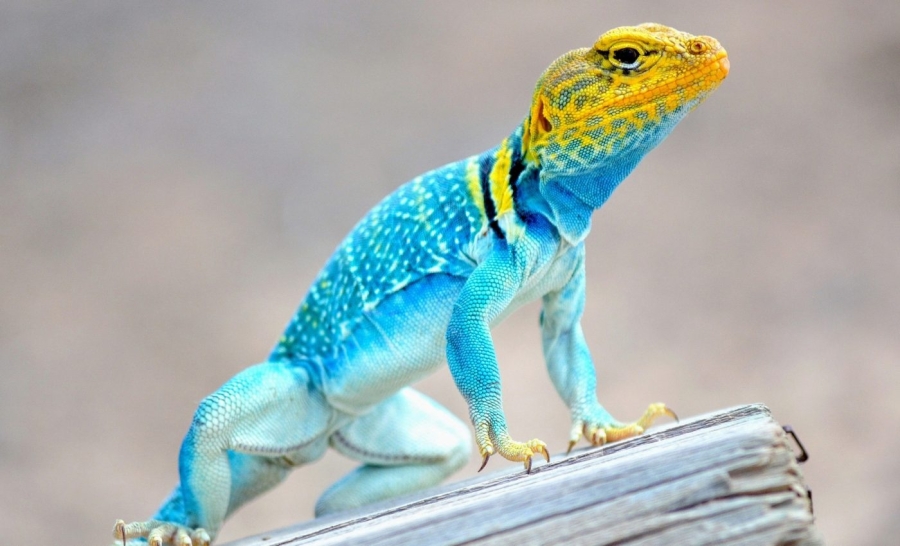
Ever Wondered: What Makes a Reptile a Reptile?
So, you're curious about reptiles? Good! It's a question I get asked all the time in the exam room. People see a lizard, a snake, or a turtle and think, 'Okay, reptile.' But what *really* defines them? Let's dive in.
It's more than just scales, though those are pretty darn iconic.
Defining Characteristics of Reptiles
What are the tell-tale signs? Here's a breakdown:
- Scales or scutes: This is the big one. Most reptiles are covered in scales, providing protection and preventing water loss. Turtles have scutes, modified scales forming a shell.
- Ectothermic (Cold-blooded): Reptiles rely on external heat sources to regulate their body temperature. They bask in the sun or seek shade to stay comfortable. Ever see a lizard on a rock? That's thermoregulation in action.
- Amniotic Eggs: Reptiles lay eggs enclosed in a protective membrane called an amnion. This allows them to reproduce on land. No tadpoles here!
- Breathe Air: All reptiles breathe air using lungs. Even aquatic turtles need to surface for air.
- Vertebrates: They possess a backbone.
Common Types of Reptiles
The reptile world is vast and varied. Here are some major groups:
- Snakes: Legless reptiles known for their flexible bodies and unique hunting strategies. Watch out for those constrictors!
- Lizards: The most diverse group, ranging from tiny geckos to massive Komodo dragons.
- Turtles and Tortoises: Shelled reptiles with a slow and steady lifestyle.
- Crocodiles and Alligators: Large, semi-aquatic predators with powerful jaws.
The Expert's Corner: Understanding Reptile Needs
Thinking of getting a reptile? Excellent! But be prepared. They have specific needs.
Temperature is non-negotiable. You *must* provide the correct temperature gradient in their enclosure. Too cold? They can't digest their food properly. You might see undigested food in their stool or even regurgitation. We call that “puking it back up” in the exam room.
Humidity matters. Some reptiles need high humidity, others low. Research, research, research!
Proper lighting is mission-critical. Many reptiles need UVB lighting to synthesize vitamin D3, which is essential for calcium absorption. Without it, they can develop metabolic bone disease (MBD), leading to weak bones and deformities. Trust me, you don't want to see MBD. It's heartbreaking.
A Word on Reptile Behavior
Reptiles aren't cuddly like dogs or cats, usually. But they have personalities. Some are shy, some are bold. Pay attention to their body language.
Vet's Perspective: I once had a client bring in a bearded dragon with ataxia (loss of coordination). Turns out, the poor thing was being kept in a too-cold enclosure. Once we warmed him up and addressed a vitamin deficiency, he was back to his feisty self. So, temperature? Yeah, it's a big deal.
Common Health Issues in Reptiles
Be aware of potential health problems:
- Respiratory infections: Wheezing, nasal discharge, lethargy.
- Parasites: Internal and external parasites can cause various symptoms.
- Skin problems: Scale rot, abscesses, and other skin issues.
- Metabolic bone disease (MBD): Caused by calcium deficiency, leading to weak bones.
If you notice anything unusual, get your reptile to a vet. Don't wait!