

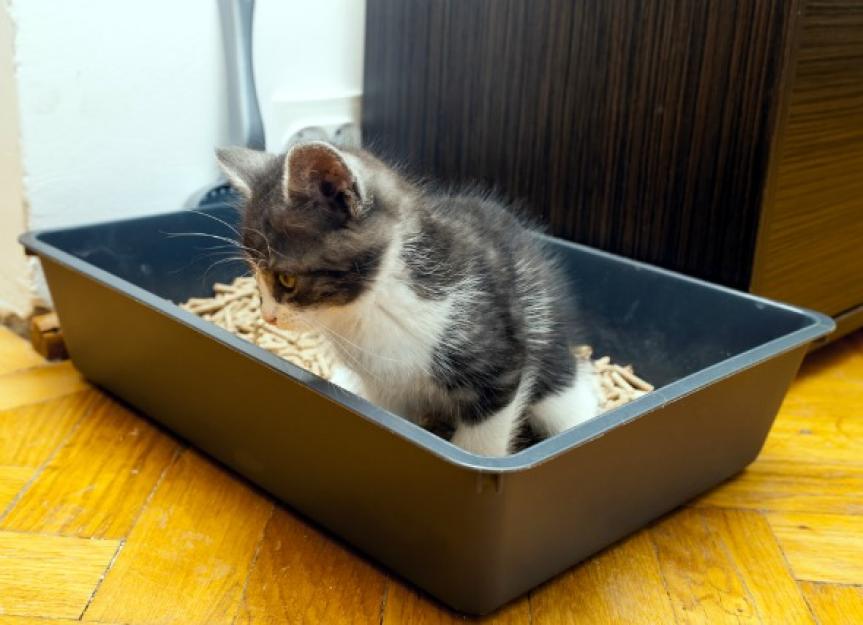
Urate Stones in Cats: Why Your Cat Can’t Pee and What To Do
Here's a fact that hits hard: some cat foods, especially those packed with fish, can actually trigger painful urinary stones. It’s counterintuitive, I know. You think you’re giving your cat the best, but you might be setting them up for a world of hurt. That’s why understanding urate stones, and how to prevent them, is mission-critical for any cat owner.
For Busy Owners: Urate stones are urinary crystals made of uric acid, causing painful urination or blockage. They're more common in males and linked to liver issues or high-purine diets. Treatment ranges from diet changes to surgery, with regular monitoring essential to prevent recurrence.
Why is My Cat Suddenly Struggling to Pee? Understanding Urate Stones
If your cat is straining in the litter box, producing only small amounts of urine, or showing blood, urate stones might be the culprit. These stones form when uric acid levels in the urine become excessively high, leading to crystal formation. This crystal formation is often linked to liver dysfunction or diet.
Let's get down to brass tacks. Urate stones, or urolithiasis, are essentially mineral formations in the urinary tract. Think of them as tiny, jagged rocks that can cause irritation, inflammation, and even life-threatening blockages. Now, while any cat can develop these stones, certain breeds and those with underlying health conditions are at higher risk. Specifically, we're talking about cats with portosystemic shunts – an abnormal blood vessel connection that bypasses the liver's normal detoxification processes. This leads to an accumulation of toxins, including uric acid, in the bloodstream, which then gets filtered into the urine.
The Clinical Perspective (Biological ‘Why’): Portosystemic Shunts and Purine Metabolism
The real kicker here is understanding the biology. A portosystemic shunt prevents the liver from properly metabolizing purines, which are naturally occurring compounds found in many foods. When purines aren't processed correctly, they break down into uric acid. This excess uric acid overwhelms the kidneys' ability to filter it out, leading to crystallization and stone formation. Moreover, genetic factors influencing uric acid transport in the kidneys can also play a role. Some cats might have a genetic predisposition to reabsorbing less uric acid, increasing their urinary concentration and risk of stone formation.
Home-Care Hacks (Low-Cost, Practical Tips)
Honestly, prevention starts with diet. I tell my own clients to scrutinize those ingredient labels. Avoid foods with high levels of purines, which are abundant in organ meats (liver, kidney), certain seafood (sardines, anchovies), and yeast extracts. Instead, opt for a diet formulated for urinary health, typically lower in protein and with added ingredients to promote urine dilution. Also, water is your best friend. Encourage your cat to drink more by providing fresh water in multiple locations, using a water fountain, or even adding a bit of low-sodium chicken broth to their water.
The Red Flag Checklist (When to Panic vs. When to Wait)
Here's what I tell my clients in the exam room: If your cat is completely unable to urinate, that's a code-red emergency. Get to a vet immediately. Other red flags include: Straining to urinate with no output, vocalizing in pain while trying to pee, bloody urine, lethargy, and loss of appetite. If you see any of these signs, don't wait. A partial or complete urinary blockage can lead to kidney damage, bladder rupture, and even death within 24-48 hours. If it's just a mild increase in frequency or some straining, you can monitor closely for 24 hours while increasing water intake. But if it persists or worsens, it's time for a vet visit.
What are the Common Symptoms of Cat Urate Stones?
Many cats with urate stones exhibit noticeable symptoms, mainly related to urination. Keep an eye out for straining to urinate (stranguria), frequent attempts to urinate (pollakiuria), and blood in the urine (hematuria). These signs indicate irritation and inflammation within the urinary tract caused by the sharp edges of the crystals.
The devil is in the details. While the above symptoms are common, some cats, especially in the early stages, might show no outward signs at all. That's why regular vet checkups, especially for predisposed breeds or cats with a history of urinary issues, are so mission-critical. When symptoms do appear, they often mimic other urinary tract problems, such as bacterial infections or idiopathic cystitis (inflammation of the bladder with no known cause). This makes accurate diagnosis paramount. In addition to the visible signs, you might also notice your cat grooming excessively around their genitals due to discomfort. In severe cases, a complete urinary blockage can lead to vomiting, lethargy, and abdominal pain – all signs of a life-threatening emergency.
The Clinical Perspective: The Inflammatory Cascade
Here's the biological 'why': The presence of urate crystals triggers an inflammatory cascade within the urinary tract. These crystals, with their rough surfaces, physically irritate the bladder lining and urethra. This irritation leads to the release of inflammatory mediators, such as prostaglandins and cytokines, which amplify the pain and inflammation. This inflammatory response also causes the blood vessels in the urinary tract to become more permeable, resulting in hematuria (blood in the urine). In addition, the inflammation can disrupt the normal function of the bladder muscles, leading to urinary urgency and frequency.
Home-Care Hacks: Monitoring and Comfort Measures
What I tell my clients is this: Keep a close eye on your cat's litter box habits. Note the frequency, volume, and any signs of straining or blood. Provide a clean, comfortable litter box in a quiet location to encourage urination. You can also try adding extra water bowls around the house, using a water fountain, or offering wet food to increase their water intake. Over-the-counter urinary supplements containing ingredients like D-mannose and cranberry extract might help to reduce inflammation and prevent bacterial adhesion to the bladder wall, but always consult with your vet before administering any supplements.
Red Flag Checklist: When to Rush to the Vet
Again, complete inability to urinate is always an emergency. Other red flags include: Severe lethargy, vomiting, abdominal pain, and collapse. If your cat is only producing small amounts of urine despite frequent attempts, or if they are vocalizing in pain, seek veterinary attention immediately. Even if the symptoms seem mild, such as slight straining or blood in the urine, it's best to err on the side of caution and schedule a vet visit. Early diagnosis and treatment can prevent the condition from progressing to a more severe and life-threatening stage.
How are Urate Stones in Cats Diagnosed?
Diagnosis typically involves a combination of physical examination, urine analysis, and imaging techniques. Palpation of the bladder might reveal distention or pain, while a urine sample helps identify crystals, blood, and infection. X-rays and ultrasounds are mission-critical for visualizing the stones and assessing their size and location.
What is the Best Way to Prevent Urate Stones in Cats?
Preventing urate stones hinges on dietary management and addressing underlying health issues. A low-purine diet, regular monitoring, and encouraging water intake are key. If a portosystemic shunt is present, surgical correction or medical management is vital to reduce uric acid production.