

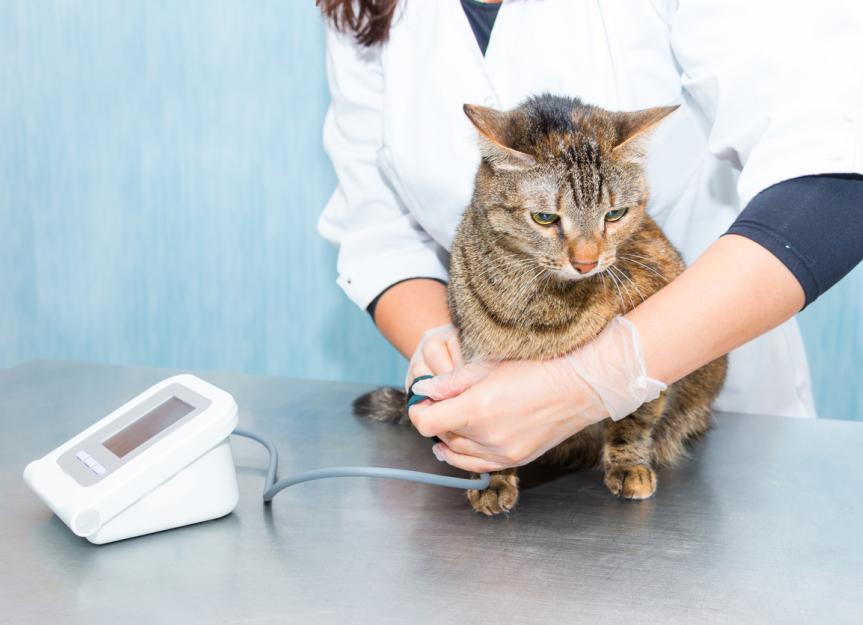
Telmisartan (Semintra®): The Expert Guide to Managing Your Cat's High Blood Pressure
Here's a counter-intuitive fact that I tell my clients in the exam room all the time: High blood pressure in cats isn't always a disease itself. It's often a silent symptom of a deeper underlying issue, like kidney disease or hyperthyroidism. Treating the blood pressure without addressing the root cause is like putting a bandage on a broken leg.
For Busy Owners: Telmisartan (Semintra®) is a prescription medication used to lower blood pressure in cats, particularly those with hypertension or kidney disease. It works by blocking specific receptors, relaxing blood vessels, and reducing protein leakage into the urine. Always follow your veterinarian's instructions and monitor for potential side effects.
Why is My Cat Prescribed Telmisartan for High Blood Pressure?
Telmisartan, often prescribed as Semintra®, is a medication used to manage high blood pressure (hypertension) in cats. It's also used to reduce proteinuria, which is excessive protein in the urine, often associated with chronic kidney disease (CKD). Veterinarians often reach for telmisartan because it's generally well-tolerated and effective, but honestly, it's not a cure-all.
The Clinical Perspective: Telmisartan belongs to a class of drugs called angiotensin II receptor blockers (ARBs). Angiotensin II is a hormone that causes blood vessels to constrict, raising blood pressure. Telmisartan blocks these receptors, leading to vasodilation (relaxation of blood vessels). This vasodilation reduces the pressure within the glomerular capillaries in the kidneys, slowing the progression of kidney damage. This is mission-critical because sustained hypertension damages the delicate microvasculature in organs like the kidneys, eyes, and brain.
How Does Telmisartan Actually Work to Lower Blood Pressure in Cats?
Telmisartan functions by selectively blocking angiotensin II receptors, specifically the AT1 receptor subtype. This action prevents angiotensin II from binding and exerting its vasoconstrictive effects, thus lowering blood pressure. This mechanism also reduces the production of aldosterone, a hormone that promotes sodium and water retention, further contributing to blood pressure reduction.
The Clinical Perspective: The renin-angiotensin-aldosterone system (RAAS) is a vital hormonal pathway in regulating blood pressure and fluid balance. In cats with hypertension, this system is often overactive. Telmisartan's action on the AT1 receptor disrupts this cascade, leading to decreased systemic vascular resistance and improved renal hemodynamics. By reducing pressure on the glomeruli (the filtering units of the kidney), telmisartan reduces proteinuria and slows the progression of CKD. Think of it as easing the strain on a overworked pump.
What are the Potential Side Effects of Telmisartan (Semintra®) in Cats?
Like any medication, telmisartan can cause side effects in cats. Common side effects include vomiting, diarrhea, decreased appetite, lethargy, and weight loss. More serious, but less common, side effects include dehydration, low blood pressure (hypotension), and anemia. It's non-negotiable to monitor your cat closely for any adverse reactions.
The Clinical Perspective: Many of the common side effects, like vomiting and diarrhea, stem from the drug's impact on gastrointestinal blood flow and electrolyte balance. Hypotension is a direct consequence of the drug's mechanism of action – lowering blood pressure. Anemia, though less frequent, can occur due to reduced erythropoietin production in the kidneys, which is vital for red blood cell formation. I always tell my clients to watch for pale gums, which can be a sign of anemia.
Telmisartan Dosage for Cats: How Much Should I Give?
The dosage of telmisartan for cats is determined by your veterinarian based on your cat's weight and the severity of their condition. Semintra® oral solution is typically administered once daily. It’s best to administer the medication on an empty stomach for optimal absorption, but it can be given with food if necessary to improve tolerance.
The Clinical Perspective: Telmisartan's bioavailability (the extent to which the drug is absorbed and available in the body) can be affected by food. While an empty stomach is ideal, consistency is key. If your cat consistently refuses the medication on an empty stomach, giving it with a small amount of food is preferable to missing doses altogether. The goal is to maintain stable blood levels of the drug.
Home-Care Hacks: Making Telmisartan Administration Easier
- Pill Pockets or Liquid Treats: If you're using compounded capsules, try hiding them in pill pockets or mixing the liquid formulation with a palatable liquid treat.
- Compounding Options: If your cat hates pills, ask your vet about a compounded liquid formulation, which can be easier to administer.
- Consistent Timing: Administer the medication at the same time each day to establish a routine.
- Monitor Appetite: Keep a close eye on your cat's appetite and weight. If you notice a significant decrease, contact your veterinarian.
The Red Flag Checklist: When to Worry About Your Cat on Telmisartan
- Severe Lethargy: If your cat is unusually tired or unresponsive, it could indicate low blood pressure or another serious side effect.
- Persistent Vomiting or Diarrhea: If these symptoms last more than 24 hours, seek veterinary attention.
- Pale Gums: This is a sign of anemia and requires immediate veterinary care.
- Collapse or Fainting: These are signs of severe hypotension and are medical emergencies.
- Changes in Urination: Any significant increase or decrease in urination should be reported to your veterinarian.
What are the Drug Interactions with Telmisartan to Watch Out For?
Giving telmisartan with certain medications can result in health risks to your pet, so it is mission-critical to discuss your pet’s medications and medical conditions with your veterinarian. Concurrent use of telmisartan with other blood pressure-lowering medications, such as ACE inhibitors (e.g., enalapril, benazepril), can increase the risk of hypotension. Also, nonsteroidal anti-inflammatory drugs (NSAIDs) may reduce the effectiveness of telmisartan.
The Clinical Perspective: The interaction between telmisartan and ACE inhibitors is synergistic, meaning they enhance each other's blood pressure-lowering effects. While this can be beneficial in some cases, it also increases the risk of dangerously low blood pressure. NSAIDs, on the other hand, can interfere with telmisartan's action by affecting renal prostaglandin synthesis, which is involved in regulating blood flow to the kidneys.