

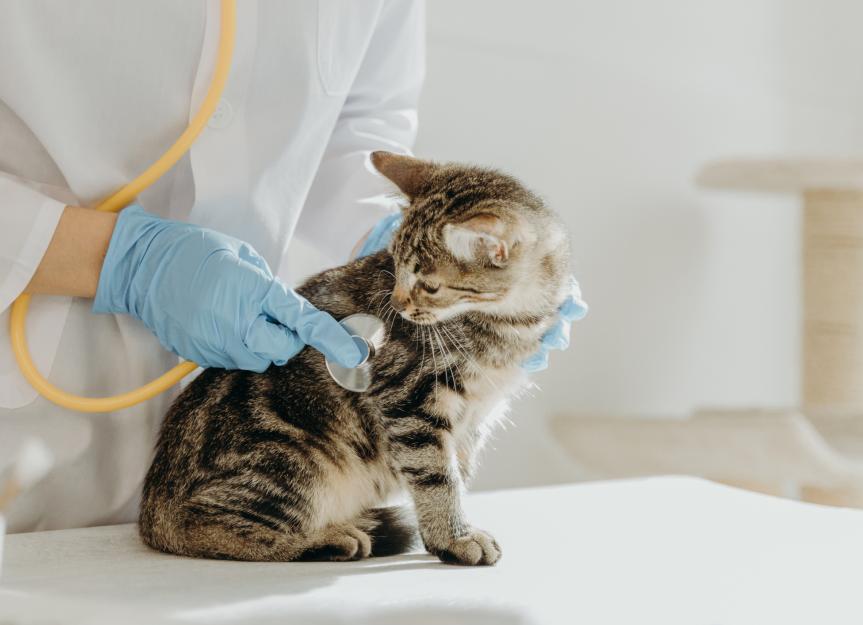
Rhabdomyosarcoma in Cats: A Vet's Guide to Bladder Cancer
Here's a truth bomb most pet owners don't realize: a 'UTI' that doesn't respond to antibiotics could be something far more sinister. I've seen it in the exam room more than once. We're talking about cancer. Specifically, rhabdomyosarcoma, a rare but aggressive bladder cancer in cats.
For Busy Owners: Rhabdomyosarcoma is a rare, aggressive cancer affecting the feline urinary bladder. Symptoms mimic a UTI, including bloody urine and straining. Diagnosis requires advanced imaging and biopsy. Treatment focuses on surgery and chemotherapy, but outcomes can be challenging due to the tumor's invasive nature.
Why is My Cat Straining to Urinate? Recognizing Cat Urinary Problems
If your cat is straining to urinate, showing blood in the urine (hematuria), or making frequent trips to the litter box with little to no result, it's easy to assume a urinary tract infection (UTI). While UTIs are common, especially in older cats, these symptoms can also point to more serious problems, like rhabdomyosarcoma. Don't just assume it’s 'cystitis' and load up on cranberry supplements. The underlying mechanism here involves the tumor physically obstructing the urethra or bladder neck, leading to difficulty voiding and irritation that causes bleeding.
The Clinical Perspective (Biological ‘Why’)
Rhabdomyosarcoma is a malignant tumor arising from skeletal muscle cells. In the urinary bladder, these tumors often exhibit a 'botryoid' appearance, resembling grape-like clusters. This isn't just a visual curiosity; it reflects the tumor's rapid and disorganized growth pattern. Think of it as rogue muscle cells gone haywire. The biological 'why' lies in genetic mutations affecting cell cycle regulation and differentiation. These mutations allow muscle cells to proliferate uncontrollably, forming the tumor mass. Moreover, rhabdomyosarcomas are notorious for their aggressive behavior, rapidly invading surrounding tissues and metastasizing (spreading) to distant sites like the lungs and lymph nodes. Honestly, it's a race against time.
Home-Care Hacks (Low-Cost, Practical Tips)
While rhabdomyosarcoma requires veterinary intervention, there are some home-care measures you can take to support your cat. First, ensure constant access to fresh, clean water to promote hydration and dilute urine. Consider switching to a wet food diet to increase water intake further. You can also manage their stress. Reduce environmental stressors by providing a quiet, comfortable, and predictable environment. Feliway diffusers, which release synthetic feline pheromones, can help calm anxious cats. Finally, closely monitor your cat’s urine output and behavior, noting any changes or worsening of symptoms. This information will be invaluable to your veterinarian.
The Red Flag Checklist (When to Panic vs. When to Wait)
It’s time to panic—or at least schedule an immediate vet visit—if you observe any of the following: complete inability to urinate (a medical emergency), severe lethargy or weakness, loss of appetite, persistent vomiting, or significant weight loss. These signs suggest advanced disease or complications. If your cat only has mild straining or occasional blood in the urine and is otherwise acting normally, it's reasonable to schedule a vet appointment within 24-48 hours. But don't delay. Early diagnosis is mission-critical. What I tell my own clients is, "When in doubt, check it out."
What Causes Rhabdomyosarcoma of the Urinary Bladder in Cats? Exploring Unknown Etiology
The frustrating truth is that the exact cause of rhabdomyosarcoma in cats remains idiopathic, meaning unknown. Unlike some cancers with clear environmental or genetic links, rhabdomyosarcoma appears to arise spontaneously. While frustrating, this doesn't mean we're completely in the dark. Research suggests a complex interplay of genetic predisposition, environmental factors, and random mutations may be at play.
The Clinical Perspective (Biological ‘Why’)
While the exact trigger is elusive, the biological 'why' likely involves disruptions in the normal processes of cell growth and differentiation. During embryonic development, muscle cells undergo a tightly regulated process of differentiation, guided by specific genes and signaling pathways. In rhabdomyosarcoma, these pathways go haywire, leading to the formation of abnormal, undifferentiated muscle cells. These cells then proliferate uncontrollably, forming the tumor. Some theories suggest that exposure to certain toxins or viruses might increase the risk of these mutations. It’s like a perfect storm of cellular mishaps.
Home-Care Hacks (Low-Cost, Practical Tips)
Because the cause is unknown, there's no proven way to prevent rhabdomyosarcoma. However, a healthy lifestyle can never hurt. Provide your cat with a balanced diet, regular exercise, and a stress-free environment. Avoid exposure to known toxins and carcinogens. Regular veterinary checkups are also non-negotiable, as they can help detect early signs of disease. While these measures won't guarantee prevention, they can optimize your cat’s overall health and potentially reduce their risk.
The Red Flag Checklist (When to Panic vs. When to Wait)
Since the cause is unknown, the red flags are the same as those for any potential urinary problem: straining to urinate, blood in the urine, frequent urination, and lethargy. Don't wait to see if it resolves on its own. Early detection is key. If you notice any of these signs, schedule a vet appointment ASAP. Remember, even if it's not rhabdomyosarcoma, there's likely an underlying medical issue that needs attention. It's always better to be safe than sorry.
How is Rhabdomyosarcoma in Cats Diagnosed? Advanced Imaging and Biopsy
Diagnosing rhabdomyosarcoma requires a multi-pronged approach. Your veterinarian will start with a thorough physical exam and review of your cat’s medical history. Bloodwork and urinalysis are also important to assess overall health and rule out other potential causes of urinary problems. However, these tests alone cannot definitively diagnose rhabdomyosarcoma. Advanced imaging techniques, like ultrasound and cystoscopy, are necessary to visualize the bladder and identify any masses or abnormalities. A definitive diagnosis requires a biopsy of the tumor tissue.
The Clinical Perspective (Biological ‘Why’)
The biological 'why' behind the diagnostic process lies in the need to differentiate rhabdomyosarcoma from other conditions that can cause similar symptoms. UTIs, bladder stones, and other types of bladder tumors can all mimic rhabdomyosarcoma. Bloodwork and urinalysis can help rule out some of these conditions, but imaging is crucial for visualizing the bladder and identifying any structural abnormalities. Ultrasound uses sound waves to create images of the bladder, while cystoscopy involves inserting a small camera into the bladder to directly visualize the lining. Biopsy is the gold standard for diagnosis, as it allows pathologists to examine the tumor cells under a microscope and confirm the presence of rhabdomyosarcoma. The pathologist is looking for specific markers that confirm the tumor's muscle cell origin.
Home-Care Hacks (Low-Cost, Practical Tips)
While you can't perform the diagnosis at home, you can help your veterinarian by providing a detailed history of your cat's symptoms and behavior. Note when the symptoms started, how often they occur, and any other relevant information. Collect a urine sample if possible, following your veterinarian's instructions. This can save time and money during the diagnostic process. Also, be prepared to answer questions about your cat's diet, lifestyle, and any potential exposure to toxins.
The Red Flag Checklist (When to Panic vs. When to Wait)
If your veterinarian suspects rhabdomyosarcoma based on initial examination and testing, don't delay further diagnostics. Advanced imaging and biopsy are essential for confirming the diagnosis and determining the extent of the disease. The sooner you have a definitive diagnosis, the sooner you can start treatment. Procrastination can significantly impact your cat's prognosis. Honestly, every day counts. If your vet is dragging their feet, seek a second opinion.
What are the Treatment Options for Cat Bladder Cancer? Surgery and Chemotherapy
Treatment for rhabdomyosarcoma in cats typically involves a combination of surgery and chemotherapy. The goal of surgery is to remove as much of the tumor as possible. However, due to the invasive nature of rhabdomyosarcoma, complete removal is often challenging. Chemotherapy is used to kill any remaining cancer cells and prevent the tumor from spreading. Radiation therapy may also be considered in some cases.
The Clinical Perspective (Biological ‘Why’)
The biological 'why' behind the treatment approach lies in the need to target cancer cells while minimizing damage to healthy tissues. Surgery aims to physically remove the tumor mass, reducing the overall burden of cancer cells in the body. Chemotherapy uses drugs that selectively kill rapidly dividing cells, including cancer cells. However, these drugs can also affect healthy cells, leading to side effects like nausea, vomiting, and hair loss. Radiation therapy uses high-energy rays to damage cancer cells' DNA, preventing them from growing and dividing. The effectiveness of each treatment depends on the stage and location of the tumor, as well as the overall health of the cat.
Home-Care Hacks (Low-Cost, Practical Tips)
During treatment, focus on providing supportive care to your cat. Ensure they have a comfortable and stress-free environment. Offer a palatable diet to encourage eating, and monitor for any signs of side effects from chemotherapy. Your veterinarian may prescribe medications to manage nausea or vomiting. Also, keep your cat well-hydrated by providing fresh water at all times. Regular communication with your veterinarian is key to managing any complications and adjusting the treatment plan as needed.
The Red Flag Checklist (When to Panic vs. When to Wait)
During chemotherapy, watch out for signs of severe side effects, such as persistent vomiting, diarrhea, loss of appetite, lethargy, or fever. These signs warrant immediate veterinary attention. Mild side effects, like occasional nausea or decreased appetite, can often be managed with supportive care. However, if you're concerned about any changes in your cat's condition, don't hesitate to contact your veterinarian. Honestly, it's always better to err on the side of caution. What I tell my clients is, "If you're worried, call."