

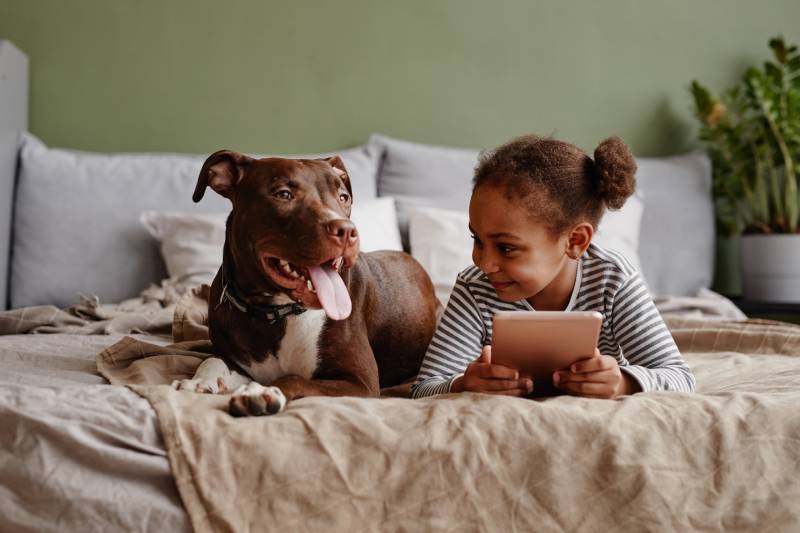
Pitbulls and Kids: Understanding Temperament, Safety, and Early Socialization
Here's a reality check most owners miss: a Pitbull's inherent temperament is less about breed and more about responsible upbringing. It's a myth that they're inherently aggressive. Socialization and training are non-negotiable. This is why some Pitbulls thrive with children while others… well, don't.
For Busy Owners: Pitbulls can be great with kids if properly socialized from a young age. Early introduction and supervised interaction are mission-critical. Consistent training and understanding canine behavior are vital for a harmonious household.
Why is Everyone So Worried About Pitbulls and Kids?
The worry stems from media sensationalism and, honestly, a lack of understanding. The breed's history as fighting dogs casts a long shadow. While their bite force (around 235 PSI, enough to cause significant tissue damage) is a legitimate concern, it's crucial to remember that aggression is often a product of environment, not genetics. This is where responsible ownership comes into play.
The Clinical Perspective: Breed-Specific Legislation (BSL) often targets Pitbulls due to perceived aggression. However, studies show that a dog’s individual temperament and training are far better predictors of behavior than breed alone. It's like blaming the hammer for hitting the nail; the tool is only as good (or bad) as the user.
Are Pitbulls Good with Kids? The Temperament Truth
The truth is nuanced. Pitbulls *can* be amazing family dogs. Their inherent playfulness and loyalty make them naturally inclined to bond with children. However, their strength and energy levels require careful management. Early socialization is absolutely non-negotiable; the more positive experiences a Pitbull has with children from puppyhood, the better.
Home-Care Hacks: Start socialization early. Expose your Pitbull puppy to children of different ages and temperaments in a controlled environment. Reward calm, gentle behavior with treats and praise. This teaches them that interacting with kids leads to positive outcomes.
What Does Early Socialization Look Like for Pitbulls and Children?
Early socialization isn't just about exposure; it's about creating positive associations. Think controlled interactions. Supervised playdates. Positive reinforcement. Enroll in puppy classes that include children. Make every interaction a learning opportunity for both the dog and the child. Honestly, it’s like teaching them a new language; consistency is key.
The Clinical Perspective: Socialization impacts the amygdala (the brain's emotional center) and the hypothalamic-pituitary-adrenal (HPA) axis, which regulates stress response. Early positive experiences can literally rewire a puppy's brain, making them less reactive to potentially stressful stimuli like children.
Pitbulls and Toddlers: What are the Potential Risks?
Toddlers are… well, toddlers. They're unpredictable. They grab. They pull. They shriek. This can be overwhelming for any dog, especially a high-energy breed like a Pitbull. Supervision is absolutely critical. Teach your children how to interact respectfully with the dog. Never leave a toddler unsupervised with a Pitbull, no matter how well-behaved the dog seems.
Red Flag Checklist: Watch for signs of stress in your Pitbull: whale eye (showing the whites of their eyes), lip licking, yawning, or a stiff body posture. These are early warning signs that the dog is uncomfortable and may escalate to aggression if pushed.
How to Train a Pitbull to Be Gentle with Kids?
Training is more than just teaching tricks; it's about establishing clear boundaries and communication. Use positive reinforcement techniques. Reward calm behavior around children. Teach your Pitbull basic obedience commands like “sit,” “stay,” and “leave it.” These commands can be life-savers in potentially risky situations. Consistency, patience, and a whole lot of treats are your best friends here.
Home-Care Hacks: Teach your children to respect the dog's space. Create a “safe zone” for the dog where they can retreat when they need a break. This could be a crate or a designated bed. Children should never be allowed to bother the dog in their safe zone.
Pitbulls Getting Jealous: What About a New Baby?
Jealousy is a real concern. Imagine you're a dog who's used to being the center of attention. Then, suddenly, a small, noisy human arrives and steals all the cuddles and treats. It's natural for the dog to feel a little… displaced. Prepare your Pitbull for the arrival of a new baby by gradually introducing them to baby-related smells and sounds. Once the baby arrives, make sure to continue giving your Pitbull attention and affection. Honestly, a little extra love goes a long way.
The Clinical Perspective: Hormonal changes in both the dog and the owners can contribute to behavioral shifts. Dogs are sensitive to changes in routine and emotional cues. Maintaining a consistent schedule and providing reassurance can help minimize jealousy and anxiety.
What if My Pitbull Shows Aggression Towards My Child?
This is non-negotiable: seek professional help *immediately*. Contact a certified professional dog trainer or a veterinary behaviorist. Do not attempt to handle aggression on your own. Aggression is a complex issue that requires expert evaluation and intervention. The safety of your child is paramount. Rehoming the dog might be the only responsible option.
Red Flag Checklist: Any display of aggression, no matter how minor it seems, should be taken seriously. Growling, snapping, or biting are all red flags that require immediate professional attention.
Pitbulls and Kids: What's the Final Verdict?
Pitbulls aren't inherently good or bad with kids. It all boils down to responsible ownership. Early socialization, consistent training, and careful supervision are non-negotiable. If you're willing to put in the work, a Pitbull can be a loving and loyal companion for your children. But if you're not prepared to commit to responsible ownership, then a Pitbull might not be the right choice for your family. I tell my clients this all the time in the exam room.