

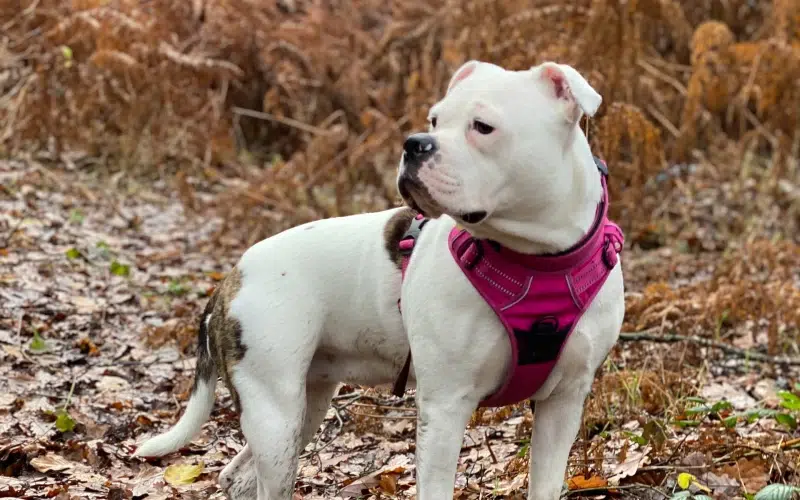
Pitbulls: From Fighting Pits to Hunting Fields - Understanding Breed History and High Prey Drive
Here's a fact that might surprise you: despite their reputation as family pets, Pitbulls have a deeply ingrained history as hunting dogs. This isn't just about chasing squirrels in the backyard. We're talking about a lineage that includes taking down larger game. That high prey drive you see? It's not a glitch; it's a feature, hardwired into their DNA over centuries.
For Busy Owners: Pitbulls were originally bred for hunting and bull-baiting, giving them a strong prey drive. While known for their loyalty and affection, this instinct can make them skilled hunters. Training and socialization are crucial to manage their prey drive and ensure safety for other animals.
Why Were Pitbulls Originally Bred? Understanding Pitbull History
The Pitbull's origin story is… complicated, honestly. Bred in 19th-century England, they were the result of crossing bulldogs (renowned for their tenacity and powerful jaws) with terriers (known for their agility and ratting abilities). The goal? To create a dog that excelled in bloodsports like bull-baiting and pit fighting. This selective breeding favored dogs with high pain tolerance and a relentless drive – traits that, unfortunately, persist today. Think about the impact on their neurochemistry: elevated baseline levels of adrenaline and noradrenaline, predisposing them to heightened reactivity. That "gameness" wasn't just a cute quirk; it was a survival mechanism in a brutal environment.
What is the Typical Temperament and Characteristics of Pitbulls?
Pitbulls often get a bad rap, but here’s the deal: their temperament is a mixed bag. They are known for being affectionate and loyal to their families. However, that terrier blood means they can also be stubborn and strong-willed. Their characteristic powerful bite is due to the masseter muscles, which are larger in Pitbulls compared to other breeds. This, combined with their “hold and shake” fighting style, makes training and responsible ownership non-negotiable. I can't tell you how many times in the exam room I've had to explain to owners that early socialization isn't just a suggestion; it's a necessity to curb potential aggression towards other animals.
Are Pitbulls Actually Good Hunters? Weighing the Pros and Cons of Pitbull Hunting Ability
So, are Pitbulls good hunters? It's a qualified yes. They possess several traits that make them effective: a high prey drive, courage, strength, stamina, agility, and above-average intelligence. That prey drive is linked to specific genes affecting dopamine pathways in the brain, making the thrill of the chase highly rewarding. However, they also have drawbacks. Their short coat provides poor insulation in cold weather, their muscular build hinders swimming ability, and they aren't natural retrievers. It's a trade-off. They're great at the chase and the takedown, but less suited for waterfowl hunting, for example.
The Clinical Perspective (Biological ‘Why’)
From a clinical perspective, it's crucial to understand the physiological underpinnings of a Pitbull's hunting behavior. Their musculoskeletal system is designed for power and bursts of speed, fueled by anaerobic metabolism. Their cardiovascular system is highly efficient, allowing for sustained exertion. And their sensory systems, particularly their sense of smell, are finely tuned for tracking prey. All of this is further amplified by the hormonal cascade triggered during a hunt – the release of endorphins, dopamine, and other neurochemicals that reinforce the behavior.
Home-Care Hacks (Low-cost, Practical Tips)
- Puzzle Toys: Engage their minds and satisfy their hunting instincts with interactive puzzle toys.
- Scent Work: Train them to find hidden objects using their nose. This is a great way to channel their prey drive in a safe and controlled manner.
- Structured Exercise: Provide plenty of physical activity to burn off excess energy and reduce pent-up frustration.
The Red Flag Checklist (When to Panic vs. When to Wait)
- Uncontrollable Lunging: If your Pitbull is lunging at other animals on walks and you can't redirect their attention, seek professional training help.
- Resource Guarding: Aggression towards people or other animals when food or toys are present is a serious red flag.
- Sudden Behavioral Changes: Any sudden increase in aggression or anxiety warrants a visit to the vet to rule out underlying medical conditions.
What are Some Tips on How to Handle a Pitbull With a High Prey Drive?
Managing a Pitbull with a high prey drive requires consistency and commitment. Early socialization is mission-critical. Expose them to a variety of people, dogs, and environments from a young age. Train a solid recall command (“come”) and a “leave it” command. Use positive reinforcement techniques – reward-based training – to motivate them. And always keep them on a leash in public areas, unless you're in a securely fenced space. Honestly, it's not about suppressing their instincts; it's about redirecting them in a safe and responsible manner.
Conclusion
Pitbulls are complex dogs with a fascinating history and a powerful set of instincts. Understanding their background as hunters is essential for responsible ownership. By providing proper training, socialization, and outlets for their energy, you can help them thrive as loving companions while managing their inherent prey drive. It's about respecting their nature while ensuring the safety of everyone around them.