
Pitbull Service Dogs: Can This Breed Truly Excel as a Service Animal?
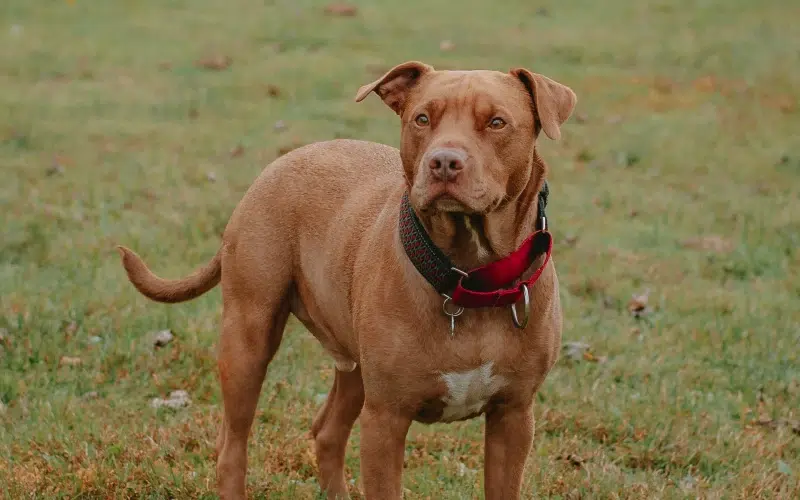
Here's a shocker I often see in the exam room: many people assume certain dog breeds are inherently unsuitable as service animals. But honestly, breed restrictions are a myth. A Pitbull can absolutely be a service dog. With the right training and temperament, they can provide invaluable assistance. However, responsible ownership and realistic expectations are non-negotiable.
For Busy Owners: Yes, Pitbulls can be service dogs. Their trainability, loyalty, and strength make them excellent candidates. But remember, rigorous training and responsible ownership are mission-critical for success.
Why Are Pitbulls Actually Good Service Dogs? Unveiling Their Potential
Pitbulls possess several traits that make them surprisingly well-suited to service work. Their eagerness to please, combined with their physical capabilities, allows them to excel in various assistance roles. A key factor is their trainability, making them receptive to the complex commands required of service animals.
1. Are Pitbulls Highly Trainable Service Dogs? The Power of Positive Reinforcement
Pitbulls are indeed among the most trainable breeds, responding exceptionally well to positive reinforcement techniques. This is due, in part, to their genetic predisposition for cooperation with humans, a trait selectively bred over generations. What I tell my clients is that this eagerness makes the intensive training process much smoother, allowing them to master complex tasks more quickly.
The Clinical Perspective: A dog's trainability is linked to neuroplasticity, the brain's ability to reorganize itself by forming new neural connections. Positive reinforcement stimulates the release of dopamine, a neurotransmitter that enhances neuroplasticity and strengthens learning pathways in the brain.
2. Loyalty and Protection: How Does It Factor Into a Pitbull Service Dog's Abilities?
Loyalty and a protective nature are inherent traits in Pitbulls, making them exceptional service animals. This stems from their historical role as guardians and companions. Once bonded with their owner, they exhibit unwavering devotion, providing a sense of security and reassurance that is invaluable for individuals with disabilities or medical conditions.
The Clinical Perspective: The bond between a dog and its owner triggers the release of oxytocin in both, a hormone associated with bonding and social connection. This neurochemical response reinforces the dog's loyalty and protective instincts, strengthening the human-animal bond.
3. Physical Strength: What Service Tasks Can a Pitbull Service Dog Perform?
Pitbulls boast remarkable physical strength, a feature that enables them to perform tasks requiring significant power and endurance. This includes providing balance support for individuals with mobility issues, assisting with wheelchair maneuvering, and even helping their owners get up from a fall. Their muscular build makes them reliable partners in these physically demanding roles.
The Clinical Perspective: A Pitbull's musculoskeletal system is characterized by a high proportion of fast-twitch muscle fibers, which provide bursts of power and strength. Their robust bone structure and strong ligaments contribute to their overall physical resilience and ability to perform strenuous tasks.
4. Consistent Behavior: How Can Training Ensure a Reliable Pitbull Service Dog?
Consistency in behavior is achievable through proper socialization and training, making Pitbulls reliable service animals. Early exposure to various environments, people, and situations is mission-critical in shaping their temperament and ensuring they remain calm and composed in diverse settings. This consistent behavior is paramount for a service dog's ability to perform its duties effectively.
The Clinical Perspective: A dog's behavior is influenced by both genetics and environmental factors. Early socialization and training help to mitigate any potential genetic predispositions towards aggression or anxiety, promoting a stable and predictable temperament.
5. Well-Rounded Companions: The Emotional Support Benefits of a Pitbull Service Dog
Pitbulls are known for their ability to provide emotional support and companionship, making them ideal service animals for individuals struggling with mental health challenges. Their affectionate nature and playful demeanor can help alleviate feelings of loneliness, anxiety, and depression. Actually, this emotional connection can be just as important as the physical assistance they provide.
The Clinical Perspective: The presence of a companion animal has been shown to reduce cortisol levels (a stress hormone) and increase endorphin levels (natural mood elevators) in humans. This physiological response contributes to the emotional well-being of the owner.
What Types of Service and Support Can Pitbulls Realistically Provide?
Pitbulls are versatile service animals, capable of providing a wide array of support to their owners. They can assist with tasks such as retrieving objects, opening doors, providing deep pressure therapy, and even alerting to medical emergencies. Their adaptability allows them to be trained for specific needs, making them valuable partners for individuals with diverse disabilities.
What Are the Downsides of Pitbulls as Service Dogs? Addressing Common Concerns
While Pitbulls possess many desirable traits for service work, there are also potential drawbacks to consider. Their high energy levels require dedicated owners who can provide adequate exercise and mental stimulation. Additionally, breed-specific legislation in some areas may pose challenges for owners traveling with their Pitbull service dogs. It's important to consider these factors carefully before choosing a Pitbull as a service animal.
Pitbull Care Needs: What Are the Non-Negotiable Requirements?
Providing proper care for a Pitbull service animal involves meeting their physical, mental, and emotional needs. This includes regular veterinary checkups, a balanced diet, consistent exercise, and ongoing training to reinforce their skills and maintain their reliability. Neglecting these needs can compromise the dog's health and well-being, ultimately affecting their ability to perform their duties effectively.
How Can My Pitbull Become a Service Dog? A Step-by-Step Guide
Turning your Pitbull into a service dog requires a structured approach. First, assess your dog's temperament and suitability for service work. Then, seek guidance from a qualified service dog trainer who can develop a customized training plan. Finally, ensure your dog meets all the necessary certification requirements to be recognized as a legitimate service animal. This process demands commitment and patience but can be incredibly rewarding.
Are Pitbulls Inherently Dangerous? Separating Fact from Fiction
The notion that Pitbulls are inherently dangerous is a harmful misconception. Like any dog, their behavior is shaped by genetics, training, and socialization. Responsible ownership, including early socialization and consistent training, is mission-critical in mitigating any potential risks. Actually, when raised in a nurturing environment, Pitbulls can be loving, gentle, and reliable companions.
Conclusion
Pitbulls have the potential to excel as service dogs, offering invaluable assistance and companionship to those in need. Their trainability, loyalty, and strength make them well-suited for a variety of service tasks. However, responsible ownership, rigorous training, and careful consideration of breed-specific needs are essential for success. By dispelling myths and embracing responsible practices, we can unlock the full potential of Pitbulls as service animals.