

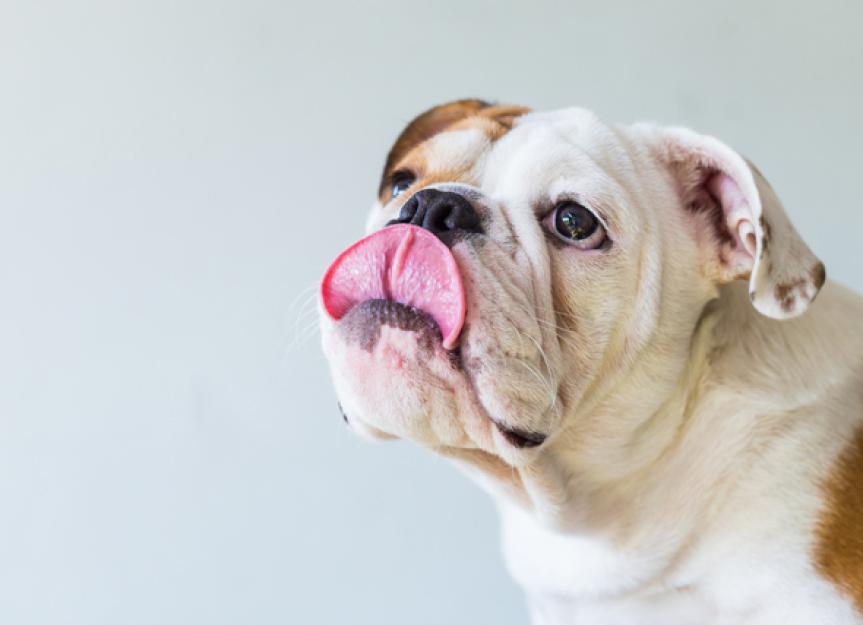
Is Your Dog's Dry Mouth a Hidden Problem? Causes & Relief
Here's a weird fact I tell folks in the exam room: a little drool is actually *good*. It's there for a reason. But what happens when that moisture vanishes? Dry mouth, or xerostomia, isn't just a discomfort; it can signal deeper health issues in your beloved dog. It's not just about thirst; it's about compromised oral health and potentially serious underlying conditions.
For Busy Owners: Dry mouth in dogs isn't normal and can lead to dental problems and discomfort. Causes range from medications to immune disorders. Treatment focuses on managing the underlying cause and providing supportive care to keep your dog comfortable.
Why is My Dog Suddenly Showing Signs of Dry Mouth? Understanding Xerostomia in Dogs
Xerostomia, or dry mouth, occurs when saliva production decreases, impacting oral health. Saliva is mission-critical; it moistens food for swallowing, maintains oral comfort, and prevents dental disease. A sudden decrease can stem from dehydration, fever, or medication side effects. If the underlying problem is not resolved, the pet will suffer from the downstream effects of a dry mouth. The absence of adequate saliva reduces the mouth's natural defenses against bacteria. This can rapidly lead to dental disease.
What are the Common Dog Dry Mouth Causes I Should Know About? The Clinical Perspective
Honestly, dry mouth in dogs can stem from a range of issues, some more obvious than others. Let's break down the common culprits I see. Some of the causes are:
- Medication Side Effects: Certain drugs, like antihistamines or diuretics, can reduce saliva production. These medications often have anticholinergic effects, meaning they block the action of acetylcholine, a neurotransmitter that stimulates saliva production.
- Radiation Therapy: Radiation, especially to the head or neck, can damage salivary glands. The damage occurs due to the high energy of radiation disrupting cellular function and causing inflammation and cell death within the salivary glands.
- Immune-Mediated Diseases: Conditions like Sjögren's syndrome (yes, dogs can get something similar) involve the immune system attacking salivary glands. In these cases, the body's immune system mistakenly identifies salivary gland cells as foreign invaders and launches an attack, leading to inflammation and reduced saliva production.
- Dysautonomia: Also known as Key-Gaskell syndrome, this affects the autonomic nervous system, impacting saliva production, tear production, and other vital functions. The underlying cause is nerve degeneration.
- Nerve Damage: Trauma, surgery, or tumors can damage nerves controlling salivary glands. Damage to the facial nerve (CN VII) can disrupt the nerve signals that stimulate saliva production, leading to xerostomia.
How Can I Provide Home-Care to Relieve My Dog's Dry Mouth Symptoms?
Here's the deal: managing dry mouth at home is about keeping your dog comfortable and preventing complications. These are a few home-care hacks:
- Hydration is Key: Always provide fresh, clean water. Consider adding water to your dog's food.
- Oral Hygiene: Use pet-specific mouthwashes and dental wipes to keep the mouth clean. These products often contain enzymes that help break down plaque and bacteria, reducing the risk of dental disease.
- Moist Food: Offer soft, moist food that is easier to chew and swallow.
- Humidifier: Use a humidifier to add moisture to the air, especially during dry months.
- Pilocarpine (with vet approval): In some cases, your vet might prescribe pilocarpine to stimulate saliva production. However, this medication has potential side effects and should only be used under veterinary supervision.
What are the Red Flags That Mean My Dog Needs Immediate Veterinary Attention for Xerostomia?
Here's when you need to act fast. These signs warrant a vet visit ASAP:
- Sudden Onset: If dry mouth appears suddenly and severely, it could indicate a serious underlying issue.
- Difficulty Eating or Swallowing: This can lead to malnutrition and dehydration.
- Oral Pain or Bleeding: This suggests severe inflammation or infection.
- Lethargy or Weakness: These signs can indicate systemic illness.
- Other Neurological Signs: If dry mouth is accompanied by other neurological symptoms like ataxia (uncoordinated movement) or altered mental state, it could indicate a more serious neurological problem.
What Complications Can Arise From Untreated Dry Mouth?
Untreated dry mouth can lead to a cascade of problems. The lack of saliva allows bacteria to thrive, leading to severe dental disease, including gingivitis and periodontitis. The gums become inflamed and infected, potentially leading to tooth loss. In severe cases, the infection can spread to other parts of the body, causing systemic illness. The discomfort and pain associated with dry mouth can make it difficult for your dog to eat, leading to weight loss and malnutrition. The altered oral environment can also lead to changes in taste perception, further reducing appetite.
What are the Treatment Options for Dry Mouth in Dogs, Besides Home Care?
Treatment depends on the underlying cause. If medications are to blame, your vet might adjust the dosage or switch to a different drug. For immune-mediated diseases, immunosuppressants like cyclosporine or prednisone may be prescribed. In cases of nerve damage, treatment focuses on managing the symptoms and addressing any underlying infections or tumors. Regular dental cleanings are non-negotiable to prevent dental disease. Artificial saliva products can provide temporary relief, but they don't address the underlying problem. In severe cases, tooth extractions may be necessary to remove diseased teeth and alleviate pain.