

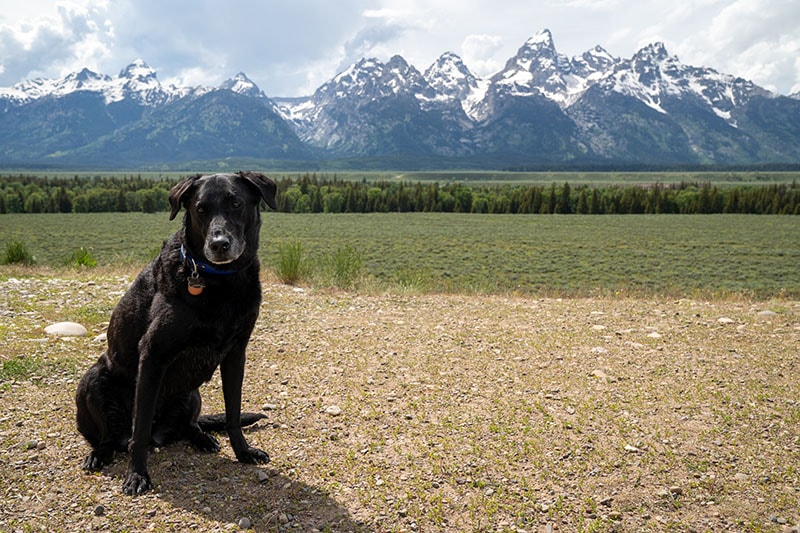
Grand Teton with Your Dog? Navigating Pet Travel Restrictions (2025)
Here's a fact that bites: many assume National Parks are off-limits for dogs. Actually, some areas *are* accessible, but the rules are trickier than a squirrel trying to crack a nut. Knowing the specific pet travel restrictions can save you a major headache (and a hefty fine).
Busy Owner Summary: Grand Teton National Park allows dogs in limited areas: campgrounds, roads, and picnic spots. Forget hiking trails or backcountry adventures with your pooch. Always keep your dog leashed (6ft max) and clean up after them. Check the official park website for the latest updates before you go.
Are Dogs Actually Allowed? Understanding Grand Teton National Park Dog Rules
Yes, dogs are allowed in Grand Teton National Park, but with significant restrictions. These rules are in place to protect the park's delicate ecosystem, wildlife, and other visitors. Ignoring these regulations can result in fines or even expulsion from the park. It's honestly a bummer, I know. In the exam room, I always tell folks to plan ahead.
The reason for these restrictions boils down to several factors. First, dogs can disrupt wildlife, especially during mating or nesting seasons. The scent of a dog can trigger stress responses in animals like elk or bison, leading to increased heart rate and energy expenditure – basically, messing with their ability to survive. Second, dogs can carry diseases that could impact native animal populations. Finally, some dogs may exhibit predatory behavior, chasing or harassing wildlife. This is particularly problematic for ground-nesting birds or small mammals. Think of it as preventing accelerated telomere shortening in threatened species due to stress hormones.
Dogs are not permitted in these areas:
- Back-country areas
- Beaches
- Hiking trails and multi-use pathways
- On lakes (except Jackson Lake)
- Public buildings
The Clinical Perspective: The seemingly arbitrary rules about where dogs are allowed are rooted in conservation science. Limiting canine access to backcountry areas minimizes the risk of dogs disturbing sensitive habitats and wildlife. The ban on beaches and lakes (with the exception of Jackson Lake) is likely due to concerns about water contamination and the potential for conflict with nesting birds or other aquatic wildlife. The restriction from public buildings is pretty standard and more about hygiene and visitor comfort.
Where *Can* I Take My Dog? Navigating Dog-Friendly Areas in Grand Teton
The permitted areas are considerably fewer. In these areas, your dog must be on a 6-foot leash or crated, and you are responsible for cleaning up after them. I can’t stress the leash thing enough; I've seen dogs bolt after squirrels, causing near-misses with cars. Not fun.
- Campgrounds
- Within 30 feet of roads, picnic areas, and turnouts
It's always wise to double-check the Grand Teton National Park website for the most up-to-date information. If an area isn't explicitly listed as dog-friendly, assume it's off-limits. A helpful rule of thumb: if a car can go there, your dog probably can too (within that 30-foot limit, of course).
Home-Care Hacks: Plan your activities around these limitations. Focus on enjoying the scenic drives, picnicking in designated areas, and relaxing at the campgrounds. Pack plenty of water and waste bags. Consider a cooling vest for your dog if visiting during the hotter months to prevent heatstroke. Remember, even short periods of intense sun exposure can cause hyperthermia in our furry friends.
Why the Restrictions? Understanding the Need for Dog Rules in National Parks
These restrictions are in place for safety. National parks are designated for environmental conservation and are meant to be kept as wild as possible. Unfortunately, dogs can be put in danger due to the park’s wildlife or even pose a threat themselves.
The underlying reasons are complex. Dogs can trigger stress responses in wildlife, disrupting their natural behaviors and potentially impacting their survival. The presence of dogs can also alter the behavior of predators, leading to increased competition for resources. Furthermore, dogs can transmit diseases to wildlife, and vice versa. Imagine a scenario where a dog picks up giardia from a contaminated water source and then spreads it to other animals in the park. Not good.
The Red Flag Checklist: If your dog shows any signs of distress (excessive panting, drooling, weakness), seek immediate veterinary attention. If your dog gets into an altercation with wildlife, report it to park rangers immediately. Keep a close eye on your dog to prevent them from ingesting any potentially toxic plants or substances.
Making the Most of It: Dog-Friendly Activities Near Grand Teton National Park
Finding activities to do in Grand Teton National Park with a dog requires some creativity. Fortunately, the restrictions aren't entirely limiting. You can participate in a few dog-friendly activities in the park and the surrounding area. Here are some options:
1. Boating on Jackson Lake: A Dog-Friendly Water Adventure
Most lakes in Grand Teton National Park don’t allow dogs to swim or ride in the boats. Jackson Lake is the only lake that allows your dogs to join in with the boating fun you have planned. They’re not allowed to swim, but they’re free to join you on a kayak, canoe, or motorboat.
The reason Jackson Lake is the exception likely has to do with its size and recreational use. The larger size of the lake means that dog presence has less of an impact on the overall ecosystem. Additionally, the lake is already heavily used for recreational boating, so the presence of dogs is less likely to significantly alter the environment. Just remember to bring a doggie life vest!
2. Hiking in Bridger-Teton National Forest: Finding Dog-Friendly Trails Near Grand Teton
While you can’t take your dog hiking in national parks, national forests are another matter. Bridger-Teton National Forest is next to Grand Teton National Park and is the perfect place to walk your dog. It’s 5 miles long and rated moderate, so it’s a good challenge for novice hikers without being impossible.
National Forests generally have fewer restrictions on dogs compared to National Parks because they are managed for multiple uses, including recreation, timber harvesting, and grazing. This means that the focus is less on strict environmental preservation and more on balancing various human activities. However, always check local regulations for specific trail restrictions.
3. Camping with Your Canine Companion: Dog-Friendly Campgrounds in Grand Teton
You can’t take your dog on adventures around the park, but you can still go camping with them. All of the campgrounds and picnic areas are dog-friendly. Dogs aren’t allowed to wander freely, and you’ll need to keep them tethered, on a 6-foot leash, or in a crate, but your weekend camping can be spent with your dog.
Campgrounds are generally considered dog-friendly because they are already designated areas for human activity, minimizing the impact on the surrounding environment. The leash requirement helps to prevent dogs from wandering into sensitive areas or disturbing wildlife. Just be mindful of your neighbors and clean up after your dog promptly to maintain a pleasant camping experience for everyone.
4. Scenic Drives: Exploring Grand Teton National Park by Car with Your Dog
The easiest rule to follow regarding national parks is that your dog is also allowed wherever a car can go. This includes the roads, and there are several scenic drives you can check out at Grand Teton National Park. Some popular scenic drives in Grand Teton National Park are:
- Highway 191
- Jenny Lake
- Moose-Wilson Road
- Signal Mountain Summit
- Teton Park Road
Dogs are also allowed within 30 feet of the roads and turnouts, so you can make frequent stops along the way to take pictures and stretch your legs. Make sure your dog is leashed, pick up after them, and watch out for any wildlife that might be nearby.
5. Teton Village and Jackson: Dog-Friendly Towns Near Grand Teton
Grand Teton National Park isn’t the only place you can explore in the area. There’s a nearby area called Teton Village that you can access via Moose-Wilson Road. It has several restaurants to try out and a few breathtaking sights to view. The town of Jackson is a great place to explore too.
These towns are generally more dog-friendly because they are designed for human activity and have established infrastructure to support pet ownership. Many restaurants and shops have outdoor seating areas where dogs are welcome. However, always check local ordinances and business policies to ensure your dog is allowed.
Conclusion: Planning a Dog-Friendly Trip to Grand Teton National Park
Grand Teton National Park presents both opportunities and limitations for traveling with your dog. While hiking trails and backcountry areas are off-limits, you can still enjoy scenic drives, camping, and boating on Jackson Lake. By understanding and respecting the park's regulations, you can ensure a safe and enjoyable experience for both you and your furry friend. Remember to explore dog-friendly areas nearby, such as Bridger-Teton National Forest and the towns of Teton Village and Jackson, to make the most of your visit.