

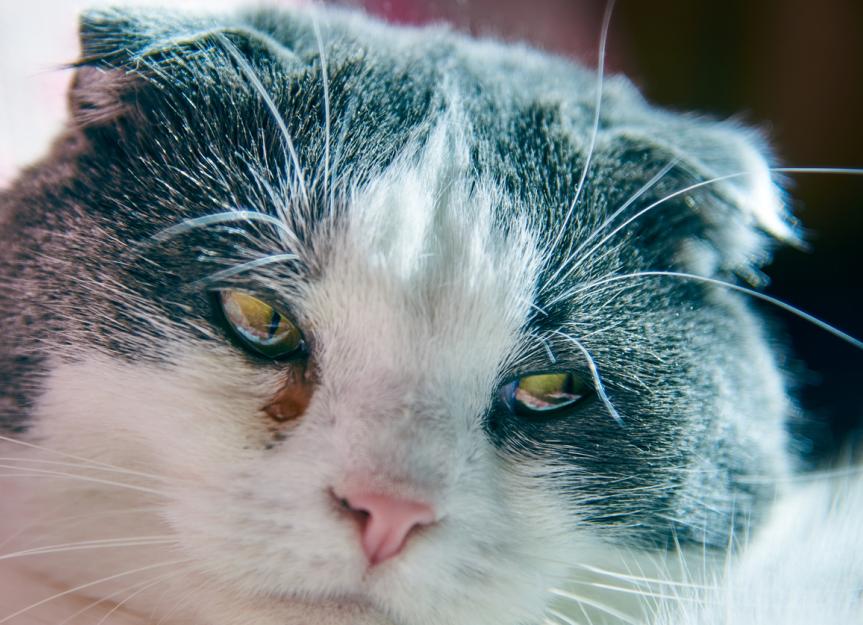
Feline Epiphora: Why Your Cat Has Watery Eyes and How to Help
Here's a weird fact I tell clients in the exam room: excessive grooming can sometimes *cause* watery eyes in cats. All that licking can introduce bacteria and irritants around the eyes. It's a vicious cycle! So, if your cat's suddenly sporting perpetually damp fur around their eyes, it might not be allergies, but their own fastidious habits.
Busy Owners: Watery eyes in cats, or epiphora, is usually due to either overproduction of tears or inadequate drainage. Common causes range from simple irritations to infections or breed-specific anatomical quirks. Most cases are easily managed, but persistent or severe symptoms warrant a vet visit to rule out more serious underlying issues.
Why Does My Cat Have Watery Eyes All of a Sudden? Understanding Feline Epiphora
Watery eyes, clinically termed epiphora, is simply an overflow of tears. When a cat's eye waters excessively, it indicates an imbalance between tear production and drainage. The tears spill onto the face, typically near the inner corner of the eye closest to the nose. It is a common problem, and here’s the deal: most cat owners will see it at some point.
What are the Telltale Symptoms of Watery Eyes in Cats?
The obvious sign is wetness beneath the eyes, but watery eyes in cats present with a range of symptoms beyond just damp fur. Look for tear staining, which is often a reddish-brown discoloration. This staining occurs because tears contain porphyrins, iron-containing molecules that stain fur upon prolonged exposure to air and sunlight. This is especially noticeable in light-colored cats. The underlying mechanism here is that porphyrins, excreted in tears, undergo oxidation, leading to the reddish-brown discoloration. Other signs include:
- Wetness beneath the eyes
- Staining of the fur beneath the eyes (often reddish-brown, especially in light-colored cats)
- Redness and/or swelling of the skin under eyes
- Squinting one or both eyes
- Excessive blinking (blepharospasm)
- Redness and/or swelling of the conjunctiva (conjunctivitis)
- Changes to the color or clarity of the eye, such as redness or cloudiness
- Sneezing or nasal discharge (rhinitis)
- Pawing at the eyes
What are the Root Causes of Watery Eyes in Cats? The Clinical Perspective
Epiphora arises from two primary mechanisms: excessive tear production or insufficient tear drainage. Honestly, figuring out which one is the culprit is half the battle. Here's a breakdown of the common causes, with a bit of "vet-speak" thrown in (don't worry, I'll translate!):
- Nasolacrimal Duct Obstruction: This duct drains tears from the eyes to the nose. Think of it like a tiny plumbing system. Blockage can occur due to congenital issues (the duct never fully opened), inflammation from infection, debris, or, in rare cases, tumors. In older cats, chronic inflammation can lead to fibrosis and narrowing of the duct.
- Breed Predisposition: Brachycephalic breeds (Persians, Himalayans) are notorious for tear drainage problems. Their flattened facial structure distorts the nasolacrimal duct, making it less efficient. Plus, their shallow eye sockets can lead to entropion (inward rolling of the eyelid) or ectropion (outward rolling), further disrupting tear flow.
- Infections: Feline herpesvirus (FHV-1) is a major offender, causing conjunctivitis and corneal ulcers that trigger excessive tearing. These viral infections disrupt the normal conjunctival cells, leading to inflammation and increased tear production.
- Allergies: Just like us, cats can suffer from environmental or food allergies that cause ocular irritation and epiphora. Allergic reactions trigger the release of histamine and other inflammatory mediators, leading to increased vascular permeability and tear production.
- Eye Injury: Corneal abrasions or ulcers (often from scratches) stimulate tear production as a protective mechanism. Corneal injuries activate sensory nerve endings, triggering a reflex arc that increases tear secretion to lubricate and protect the cornea.
- Eyelid Abnormalities: Entropion (eyelids rolling inward) and ectropion (eyelids rolling outward) disrupt the normal blinking mechanism and tear film distribution, leading to irritation and epiphora.
- Abnormal Eyelashes: Distichiasis (eyelashes growing in the wrong place) and ectopic cilia (eyelashes growing through the conjunctiva) cause constant corneal irritation, triggering excessive tearing.
- Glaucoma: Increased intraocular pressure can sometimes lead to epiphora, although other signs like cloudiness of the cornea are usually more prominent. The increased pressure can disrupt the normal function of the tear drainage system.
- Tumors: Tumors in or around the eye (though rare) can obstruct the nasolacrimal duct or irritate the eye, causing epiphora.
Why Does My Cat Only Have One Watery Eye?
Unilateral epiphora (one watery eye) is common. It often points to a localized issue such as a foreign body, corneal ulcer, or blocked nasolacrimal duct on that side. Many cats with herpesvirus conjunctivitis only show signs in one eye initially. The deal is this: don't assume it's "nothing" just because it's only one eye.
How Do Vets Diagnose the Cause of Feline Watery Eyes?
Diagnosing the root cause of epiphora is mission-critical. The vet will perform a thorough ophthalmic exam. Here's what we look for:
- Ophthalmoscopy: Examining the back of the eye (fundus) to rule out glaucoma or other internal eye diseases.
- Schirmer Tear Test: Measures tear production to identify dry eye (keratoconjunctivitis sicca), which can paradoxically cause watery eyes as the body tries to compensate.
- Fluorescein Stain: Detects corneal ulcers or abrasions. The stain adheres to damaged areas of the cornea, making them visible under a blue light.
- Jones Test: Assesses nasolacrimal duct patency. Fluorescein is placed in the eye, and the vet checks if it appears at the nostril, indicating a clear drainage pathway.
- Tonometry: Measures intraocular pressure to rule out glaucoma.
- Eyelid Examination: A close look for entropion, ectropion, or abnormal eyelashes. Sedation may be needed for a thorough exam.
In cases of suspected nasolacrimal duct obstruction, a CT scan might be recommended to rule out tumors or other space-occupying lesions. If recurrent infections are suspected, viral testing (PCR) for feline herpesvirus and other pathogens is often performed.
What are the Treatment Options for Watery Eyes in Cats?
Treatment is always targeted at the underlying cause. Here are some common approaches:
- Facial Cleaning: For brachycephalic breeds, regular cleaning with gentle, pet-friendly wipes is essential to prevent skin irritation and secondary infections.
- Topical Medications: Antibiotics (oxytetracycline, triple antibiotic ointments) are used for bacterial infections. Antivirals (idoxuridine) are prescribed for herpesvirus infections.
- Oral Medications: Oral antibiotics (doxycycline, azithromycin) may be needed for severe infections or when topical treatment is difficult.
- Surgery: Eyelid abnormalities (entropion, ectropion) and abnormal eyelashes often require surgical correction. Nasolacrimal duct flushing can be attempted to clear blockages.
- Tumor Management: Tumors may require surgery, radiation therapy, or chemotherapy, depending on the type and location.
Home-Care Hacks for Managing Feline Epiphora
Here are some low-cost, practical tips you can implement at home, but ALWAYS consult your vet first:
- Warm Compresses: Apply a warm, moist compress to the affected eye several times a day to soothe irritation and loosen debris.
- Saline Eye Wash: Gently flush the eye with a sterile saline solution to remove irritants and discharge.
- Dietary Changes: Consider a hypoallergenic diet if allergies are suspected.
- Humidifier: Use a humidifier to increase humidity in the air, which can help to soothe dry, irritated eyes.
- Avoid Irritants: Minimize exposure to dust, smoke, and other environmental irritants.
Red Flag Checklist: When Should You Worry About Your Cat's Watery Eye?
While most cases of epiphora are manageable, certain signs warrant immediate veterinary attention:
- Sudden onset of severe pain (squinting, pawing at the eye)
- Cloudiness or discoloration of the cornea
- Protrusion of the third eyelid
- Blood in the eye
- Vision loss
- Lethargy or loss of appetite
If you notice any of these signs, seek veterinary care immediately. Delaying treatment can lead to serious complications, including vision loss.