

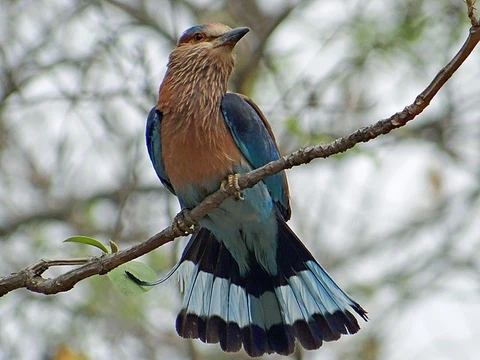
A World of Wings: Unveiling Bird Diversity
So, you're curious about birds? Good. They’re fascinating creatures. I get asked this question a lot in the exam room, usually right after someone's parrot has decided to redecorate the curtains. It's a valid question. Just how many different types of birds are flitting around out there?
The answer isn't as simple as a quick Google search. It's a moving target, constantly being refined as new species are discovered and existing classifications are updated. But let's dive in, shall we?
The Big Number: How Many Species Exist?
Alright, let's cut to the chase. Current estimates place the number of bird species somewhere between 10,000 and 11,000. That's a staggering amount of avian diversity!
Think about it: each species uniquely adapted to its environment, behaviors, and diets. From the Arctic tern's incredible migrations to the intricate courtship displays of birds of paradise, the variety is mind-boggling.
Why the Range? The Science of Bird Classification
Why the uncertainty, though? This is due to something called taxonomy. Bird classification isn't always straightforward.
- Species definitions: What exactly *is* a species? The biological species concept focuses on interbreeding, but it's not always applicable.
- Subspecies debates: Are two populations distinct species, or just subspecies? DNA analysis is helping, but disagreements remain.
- New discoveries: Remote areas are still yielding new bird species. It's exciting!
The classification of birds is constantly evolving as scientists learn more through genetic studies and field observations. It's a dynamic field, always subject to change.
A Glimpse into Avian Diversity
Let’s consider some examples. Birds are EVERYWHERE.
- Passerines: The perching birds, like sparrows, finches, and warblers, make up the largest group.
- Waterfowl: Ducks, geese, and swans are adapted for aquatic life.
- Birds of Prey: Eagles, hawks, and owls are apex predators with keen eyesight.
- Flightless Birds: Ostriches, emus, and penguins have adapted to life on the ground or in the water.
The Expert's Corner: A Vet's Perspective
I've seen a lot of birds in my practice. From budgies with overgrown beaks to cockatoos with behavioral problems, each one is unique. Understanding the specific needs of different bird species is mission-critical for responsible pet ownership.
Pro-Tip: Before bringing *any* bird home, research its specific dietary, environmental, and social needs. Some birds need specialized diets to prevent nutritional deficiencies. Others require large enclosures for exercise and enrichment. Many parrots require social interaction to prevent feather plucking. Neglecting these needs can lead to serious health and behavioral problems. And trust me, you don't want to deal with a macaw's scream at 3 AM. It's…intense.
Consider the bird's natural habitat. Mimicking their natural environment in captivity can significantly improve their well-being. For example, providing foraging opportunities for parrots can help prevent boredom and obesity.
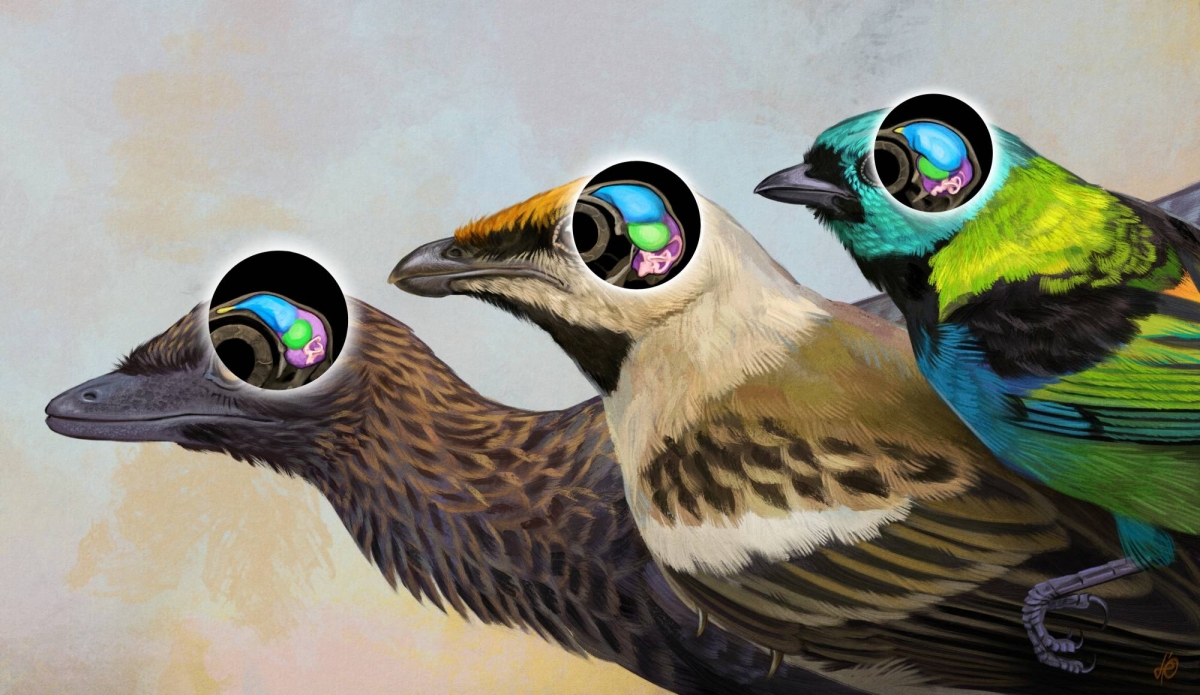
The Future of Bird Species
Unfortunately, many bird species are facing threats from habitat loss, climate change, and invasive species. Conservation efforts are non-negotiable to protect avian diversity for future generations.
What can *you* do? Support organizations dedicated to bird conservation. Reduce your carbon footprint. Make your backyard bird-friendly by planting native plants and providing clean water. Even small actions can make a difference.
Every bird has a vital role to play in its ecosystem. Their presence enriches our planet and brings joy to our lives. Let's work together to ensure their survival.
Understanding Bird Anatomy
Birds have unique anatomical features that allow them to fly and thrive in diverse environments. Hollow bones reduce weight, while powerful flight muscles enable sustained flight. Their respiratory system is incredibly efficient, allowing them to extract more oxygen from the air.
Understanding these adaptations can help us appreciate the complexity and beauty of birds.