

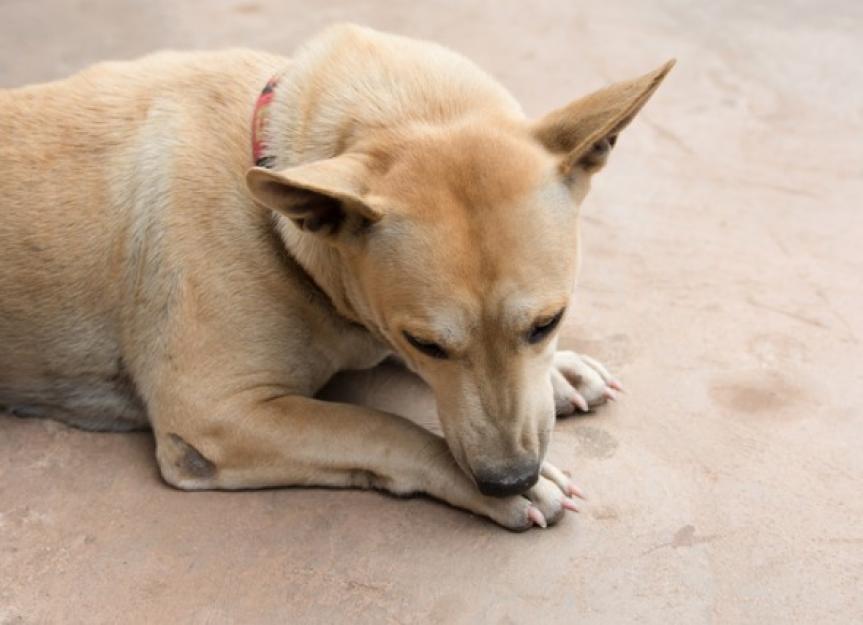
Dog Wound Licking: Why It Happens & How to REALLY Stop It
Here's a counter-intuitive fact I tell clients in the exam room all the time: Dog saliva, while containing some antibacterial properties, often does more harm than good when it comes to wound healing. That's right; that constant licking could be setting your pet back.
Busy Owner Summary: Dogs lick wounds to soothe pain and instinctively clean them. However, excessive licking introduces bacteria and delays healing. Prevent licking using cones, clothing, or vet-applied dressings, and watch for infection signs like redness and pus.
Why is My Dog Obsessively Licking Their Wound? The Real Reasons
Dogs lick their wounds primarily to alleviate discomfort and clean the area. The act of licking stimulates nerve endings, providing temporary pain relief. While dog saliva has some antibacterial properties, excessive licking often leads to more harm than good by introducing additional bacteria and causing tissue damage.
Honestly, the reasons are twofold. First, there's the pain management aspect. Licking triggers the release of endorphins, those feel-good chemicals in the brain. It's a self-soothing mechanism, like a kid rubbing a boo-boo. But biologically, what’s really happening? The constant stimulation can temporarily override pain signals. Think of it as a localized numbing effect. The second reason is instinct. Dogs, like their wolf ancestors, instinctively try to keep wounds clean. Their saliva contains enzymes like lysozyme, which possess limited antibacterial action against certain bacteria like E. coli. But here’s the deal: that tiny benefit is almost always outweighed by the risks.
The Clinical Perspective (Biological 'Why')
From a clinical perspective, that licking is a double-edged sword. Yes, lysozyme can target the peptidoglycans in the cell walls of some bacteria, causing them to burst. But the canine oral cavity is also a breeding ground for a host of other microorganisms – some of which are opportunistic pathogens. When a dog licks a wound excessively, it’s essentially inoculating the injury with a complex cocktail of bacteria, potentially leading to a polymicrobial infection. Moreover, the rough texture of a dog’s tongue can cause mechanical irritation, disrupting the delicate process of epithelialization (new skin cell formation) and collagen deposition (scar tissue development). This can delay wound closure and increase the risk of proud flesh (exuberant granulation tissue) formation, especially in horses and sometimes in dogs with lower leg wounds.
What are the Dangers of a Dog Constantly Licking an Open Wound? Understanding the Risks
Constant licking can introduce bacteria, leading to infection, irritation, and tissue damage. This delays healing and may even enlarge the wound. In post-surgical cases, persistent licking can cause sutures to come undone and incisions to reopen, requiring further intervention.
The primary risk is infection. As mentioned, the mouth isn't exactly sterile. All that licking can introduce a variety of bacteria, leading to localized infections or, in severe cases, systemic issues. But it's not just about the germs. The physical act of licking traumatizes the tissue. Think about constantly rubbing a raw spot on your skin – it’s going to get more inflamed and take longer to heal. In surgical cases, I’ve seen dogs literally chew their stitches out, which is a nightmare scenario for everyone involved. We’re talking repeat surgeries, more antibiotics, and a much longer recovery.
Home-Care Hacks (Low-cost, practical tips)
- Distraction is Key: Keep your dog occupied with puzzle toys or chew toys to divert their attention from the wound.
- DIY Protective Gear: If you don’t have a cone, try using an old t-shirt to cover wounds on the torso. Just make sure it's not too tight and that the fabric is breathable.
- Cleanliness is Next to Godliness: Gently clean the wound with diluted povidone-iodine solution (Betadine) to reduce bacterial load. But always consult your vet first.
How Can I Effectively Stop My Dog From Licking a Wound? Proven Methods
To prevent licking, use Elizabethan collars (hard or soft), inflatable collars, dog clothing, recovery suits, booties/socks, or veterinarian-applied wound dressings. The right method depends on the wound's location and your dog's temperament and flexibility.
Honestly, the “cone of shame” is the go-to for a reason – it works. But I get it; dogs hate them. Soft cones are a kinder alternative. Inflatable collars are another option, but they don’t work for every dog or every wound location. For body wounds, a simple t-shirt can do the trick. The key is to find something that your dog tolerates and that physically prevents them from reaching the wound. And, of course, never underestimate the power of a good distraction. A Kong stuffed with peanut butter can buy you some precious, lick-free time.
The Red Flag Checklist (When to panic vs. when to wait)
- Fever: A temperature above 103°F (39.4°C) warrants an immediate vet visit.
- Lethargy: If your dog is unusually tired or unresponsive, it could indicate a systemic infection.
- Increased Pain: If your dog is vocalizing in pain or guarding the wound, seek veterinary attention.
- Uncontrolled Bleeding: Any active bleeding that doesn’t stop with gentle pressure requires immediate care.
How Do I Spot a Dog Wound Infection After Licking? Recognizing the Signs
Signs of infection include redness, inflammation, thick or colored discharge, pus, reopening of the wound, and delayed or absent healing. Contact your veterinarian immediately if you observe any of these symptoms to prevent complications.
Look for the classic signs: redness, swelling, pus, and heat. If the wound starts to smell bad, that’s another big red flag. Pay attention to your dog's behavior, too. Are they more lethargic than usual? Are they refusing to eat? Are they showing signs of pain when you touch the area? These are all indicators that something's not right. And here's a pro tip: take pictures of the wound daily. It's much easier to track changes when you have a visual record.