

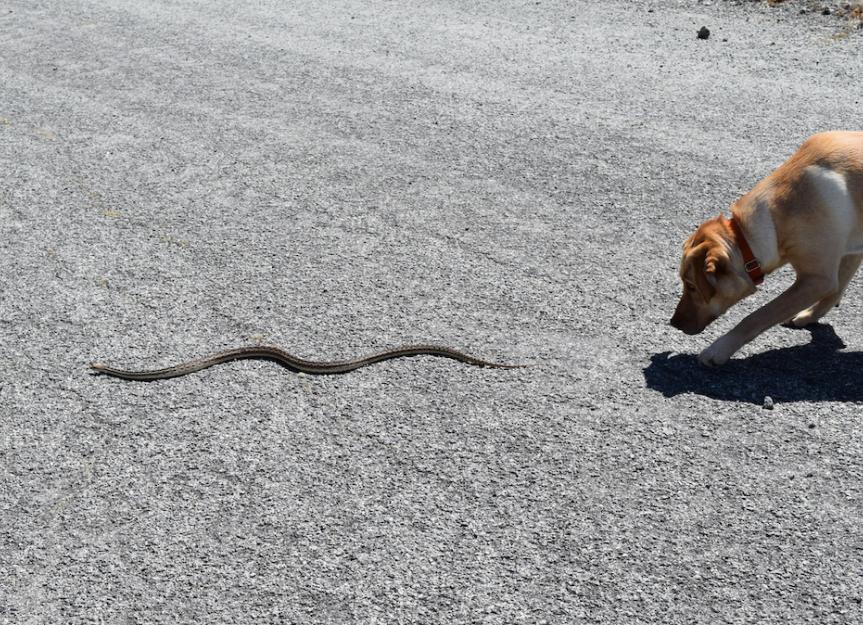
Dog Snake Bite: Symptoms, First Aid, and Expert Vet Treatment
Here's a myth buster right off the bat: most snake bites on dogs are "dry bites." The snake doesn't inject venom. I see owners panic in the exam room all the time. Knowing what to do – and what not to do – can honestly save your dog's life.
Busy Owner Summary: If you suspect a snake bite, immediate vet attention is non-negotiable. Even non-venomous bites can cause infection. Try to identify the snake (safely!) for faster treatment. Carry your dog to the car and head straight to the vet.
Why Do Snakes Bite Dogs? Understanding the Triggers
Snakes typically bite dogs out of defense, not aggression. A curious or playful dog approaching a snake too closely can startle the reptile, leading to a defensive strike. Most snakes would rather flee than fight, but they will protect themselves if they feel threatened. This is important to remember.
Here's the deal: when a dog invades a snake's personal space, the snake perceives an immediate threat. Think of it like a startled immune response. The snake's strike is a rapid, involuntary reaction fueled by survival instinct. Evolution has hardwired snakes to react defensively when they feel cornered or perceive danger. The speed of the strike is truly impressive; some pit vipers can strike, envenomate, and retract in under 250 milliseconds. This is much faster than your dog can react. Most bites happen on the face or legs because of the dog's natural curiosity and sniffing behavior. The underlying reason is almost always a perceived threat from the snake's perspective.
Are Snake Bites on Dogs Common?
Snake bites on dogs, while scary, are thankfully not an everyday occurrence. They tend to happen more often to dogs with adventurous lifestyles, especially those who enjoy hiking or exploring in areas known to have snake populations. The risk also varies greatly depending on your geographic location.
Honestly, I see more foxtail awnings stuck in paws than snake bites in my exam room. But when they happen, they are mission-critical. Areas with rocky terrain, tall grasses, or wooded environments are prime snake habitats. Dogs with a high prey drive or those who are simply curious are at higher risk. Breeds like terriers, known for their inquisitive nature, might be more prone to investigating rustling sounds or movements that could lead to a snake encounter. The time of year matters, too. Snakes are most active in warmer months, particularly during their breeding season. So, spring and summer hikes carry a slightly elevated risk. Coastal regions also tend to have higher snake populations than drier, colder areas. Ultimately, awareness of your local snake population and your dog's behavior are your best defenses.
What Are the Signs of a Snake Bite on a Dog? Recognizing the Symptoms
Symptoms of a snake bite in dogs vary widely depending on whether the snake was venomous, the size of the snake, the location of the bite, and the dog's size. Common signs include swelling, bruising, and pain at the bite site. Venomous bites can cause more severe systemic reactions.
Okay, let's dive into the gritty details. The venom from snakes like rattlesnakes contains a complex cocktail of enzymes and toxins. These can trigger a cascade of biological events. One of the first signs is often localized swelling and pain due to the venom's direct effect on tissues and blood vessels. The venom can disrupt the endothelial lining of blood vessels, leading to increased permeability and leakage of fluid into the surrounding tissues. This is what causes the rapid swelling. Furthermore, some venom components can activate the complement system, a part of the immune system, which further amplifies inflammation. Pale gums indicate shock, a life-threatening drop in blood pressure. Changes in breathing can occur due to the venom affecting the respiratory muscles or causing fluid accumulation in the lungs (pulmonary edema). Drooling can result from the venom affecting the nerves controlling salivary glands or due to nausea. Muscle tremors and collapse are signs of severe envenomation affecting the nervous system. It's a nasty cascade of events, and time is of the essence.
Long-Tail: When to Suspect a Snake Bite on Your Dog's Paw
Even if you didn't witness the bite, certain signs should raise your suspicion, especially if your dog was exploring in snake-prone areas. Sudden lameness, excessive licking at a paw, or unexplained swelling could indicate a bite. Remember that small snakes might not leave obvious puncture wounds.
Here's what I tell my clients: look for asymmetry. Is one paw significantly larger than the other? That's a red flag. Also, pay attention to your dog's overall demeanor. Is he or she lethargic, not eating, or showing signs of pain like whimpering or reluctance to move? Those are all important clues. Neurological signs like ataxia (incoordination) or weakness can indicate the venom has spread and is affecting the nervous system. Some snake venoms contain neurotoxins that interfere with nerve transmission. This can lead to muscle paralysis and even respiratory failure. The key is to act fast. The sooner you get your dog to the vet, the better the chances of a positive outcome.
How to Treat a Snake Bite on a Dog: First Aid and Veterinary Care
Immediate veterinary care is crucial for any suspected snake bite. Attempting home remedies can delay necessary treatment and worsen the outcome. Keep your dog calm, and transport him or her to the nearest veterinary clinic as quickly as possible.
Honestly, the best "first aid" is rapid transport. Carry your dog if possible to minimize movement and slow the spread of venom. If you can safely take a picture of the snake, do so, but do NOT risk further bites. Identification can help the vet choose the appropriate antivenom. At the clinic, treatment will vary depending on the snake species and severity of the bite. Antivenom is the gold standard for venomous bites, but it's most effective when administered early. Supportive care, including IV fluids, pain management, and antibiotics, is also essential. The goal is to stabilize your dog, counteract the venom's effects, and prevent secondary complications like infection or organ damage. The quicker you get your dog to the vet, the better their chances of survival and a full recovery.
Home-Care Hacks: What You Can Do (And NOT Do) Before the Vet
While waiting to get to the vet, keep your dog as still and calm as possible. Do not apply a tourniquet or attempt to suck out the venom. These methods are ineffective and can cause more harm than good.
What I tell my clients is simple: "Don't play doctor." Tourniquets can restrict blood flow and cause tissue damage. Sucking out venom is a movie myth; it doesn't work. The venom spreads rapidly through the bloodstream, and you won't be able to extract a significant amount. Instead, focus on keeping your dog quiet and comfortable. If possible, keep the bite wound below the level of the heart to slow venom spread. However, do NOT elevate the wound if it causes your dog pain or distress. The goal is to minimize movement and stress, which can increase heart rate and accelerate venom distribution. The real treatment happens at the vet's office.
How Veterinarians Treat Snake Bites on Dogs: A Clinical Perspective
Veterinary treatment for snake bites involves a multi-faceted approach. This includes antivenom administration, wound care, pain management, and supportive therapies to address shock and organ dysfunction. The specific treatment plan depends on the snake species, bite location, and severity of symptoms.
Let's get into the clinical specifics. Antivenom works by binding to and neutralizing the venom toxins. However, it's most effective when given early in the course of envenomation. Wound care involves cleaning the bite site to prevent infection and addressing any tissue damage. Pain management is mission-critical, as snake bites can be incredibly painful. We often use a combination of opioids and non-steroidal anti-inflammatory drugs (NSAIDs) to control pain. IV fluids are used to support blood pressure and organ function, especially if the dog is in shock. In severe cases, blood transfusions or ventilator support may be necessary. We also monitor bloodwork closely to assess organ function and watch for complications like kidney damage or disseminated intravascular coagulation (DIC), a life-threatening clotting disorder. The goal is to provide comprehensive care to counteract the venom's effects and support the body's natural healing processes.
Red Flag Checklist: When is a Snake Bite an Emergency?
Any suspected snake bite should be treated as an emergency. However, certain signs indicate a more severe envenomation that requires immediate and aggressive intervention. These include difficulty breathing, collapse, uncontrolled bleeding, and neurological signs like seizures or paralysis.
Honestly, if you see any of these signs, don't hesitate. Get to the nearest emergency vet ASAP. Difficulty breathing means the venom is affecting the respiratory system, either by paralyzing the muscles or causing fluid buildup in the lungs. Collapse indicates severe shock and a critical drop in blood pressure. Uncontrolled bleeding suggests the venom is interfering with the clotting cascade. Neurological signs mean the venom has crossed the blood-brain barrier and is affecting the nervous system. These are all life-threatening situations that require immediate and specialized care. Time is absolutely of the essence in these cases.
Types of Snake Bites on Dogs: Venomous vs. Non-Venomous
The severity of a snake bite depends largely on whether the snake is venomous. Non-venomous bites typically cause localized pain and swelling but do not result in systemic toxicity. Venomous bites can cause a wide range of symptoms, including shock, organ damage, and death.
Let's break down the venomous culprits. In North America, the primary concerns are rattlesnakes, copperheads, cottonmouths (water moccasins), and coral snakes. Rattlesnakes are the most common cause of venomous snake bites in dogs. Their venom is a complex mixture of toxins that can cause tissue damage, bleeding disorders, and neurological problems. Copperheads and cottonmouths have similar but less potent venom. Coral snakes have a neurotoxic venom that can cause paralysis and respiratory failure. The severity of a bite depends on several factors, including the amount of venom injected, the size of the snake, and the size of the dog. Smaller dogs are more susceptible to the effects of venom. Regardless of the type of snake, any suspected bite warrants a trip to the vet.