

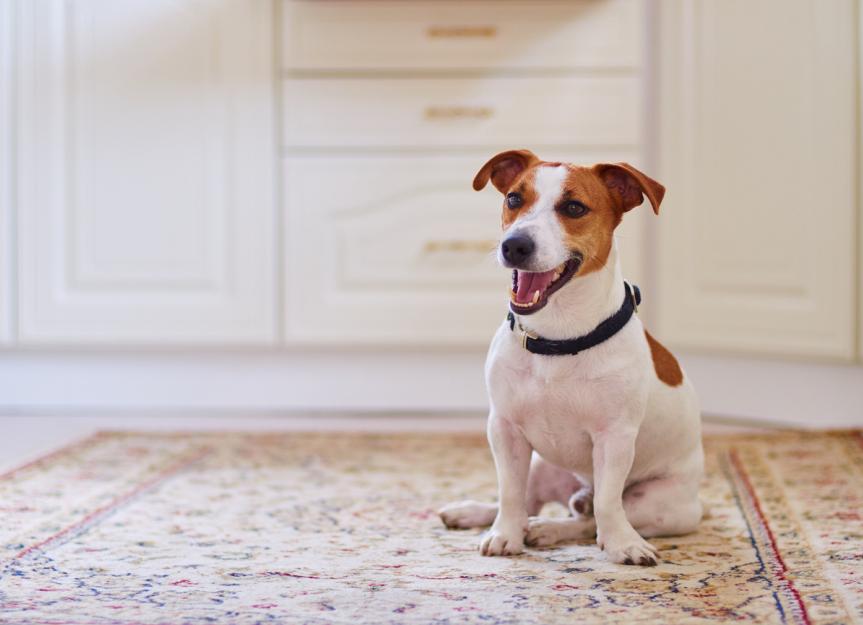
Dog Scooting: Expert Vet Guide to Anal Gland Problems, Treatment & Prevention
Here's a counter-intuitive fact from the exam room: over-bathing your dog can *cause* anal gland issues. Soap and water strip away natural oils, leading to inflammation and impaction. I've seen it a hundred times. Go figure.
Is your dog dragging their bottom across the carpet? It's likely an anal gland issue. These glands can become full, impacted, or even infected. Fortunately, most cases are easily treatable with veterinary care and, sometimes, dietary adjustments.
Why is My Dog Scooting and What Does It Mean?
Dog scooting, that undignified dragging of the rear end across the floor, is usually a sign of anal gland irritation. These glands, located just inside the anus, secrete a pungent fluid for scent marking. When they become overly full or inflamed, scooting is your dog's way of seeking relief.
Anal gland issues are common, but understanding the "why" behind the scoot is mission-critical. When the anal glands don't empty properly during defecation, the fluid thickens and can even become pasty. This impaction leads to inflammation. Think of it like a zit that won't pop. The biological 'why' involves everything from stool consistency to breed predisposition. Smaller breeds often have narrower anal ducts, predisposing them to impactions. Furthermore, underlying allergies can cause inflammation of the anal sac lining, further hampering normal secretion. At the cellular level, chronic inflammation can lead to metaplasia, where the cells lining the anal sacs change type, potentially increasing the risk of tumors down the line.
Other Subtle Signs of Dog Anal Gland Problems
Scooting is the classic sign, but anal gland issues often manifest in less obvious ways. Look for changes in your dog's behavior and hygiene habits.
- Excessive licking or biting at the rear end (pruritus around the tail base)
- Reluctance to sit or discomfort when pooping
- A strong, unpleasant odor emanating from the rear
- Straining during defecation (dyschezia)
- Redness, swelling, or discharge around the anus
Honestly, I tell my clients to think of it like this: if *you* had an itchy, inflamed spot back there, you’d be pretty preoccupied with it, right? Your dog is no different. The biological mechanism here is simple: inflammation triggers nerve endings, causing intense itching and discomfort. This leads to the licking, biting, and scooting behaviors. Moreover, the anal gland secretions themselves can become irritating if they are not properly expressed, further exacerbating the problem. A dog constantly licking can also introduce bacteria, leading to secondary skin infections (pyoderma) around the anus.
Dog Scooting: What are the Potential Causes?
While full anal glands are the most common culprit behind dog scooting, it's not the only possibility. Other conditions can mimic anal gland problems, so a vet visit is non-negotiable.
- Anal gland impaction: This is where the gland is full and unable to express normally.
- Anal gland infection (anal sacculitis): Bacteria can invade the anal glands, causing inflammation and pain.
- Anal gland abscess: An abscess is a pus-filled pocket that forms when an infection is walled off. These are extremely painful.
- Anal gland tumors: While less common, tumors can develop in the anal glands.
- Parasites: Tapeworms, in particular, can cause anal irritation.
- Allergies: Food or environmental allergies can lead to generalized skin inflammation, including around the anus.
The clinical perspective here is that each of these conditions has a unique underlying pathology. Impactions often result from poor muscle tone in the anal sphincter or chronic soft stools that don't provide enough pressure to empty the glands. Infections arise when bacteria (often *E. coli* or *Staphylococcus*) ascend into the anal sacs. Abscesses are the body's attempt to contain a severe infection, but the pressure buildup causes intense pain. Anal gland tumors are often adenocarcinomas, which can cause elevated blood calcium levels (hypercalcemia) due to the production of parathyroid hormone-related peptide (PTHrP). Allergies trigger the release of histamine and other inflammatory mediators, leading to pruritus and secondary infections. Finally, tapeworms cause irritation as they shed segments (proglottids) containing eggs around the anus.
How is Dog Scooting Diagnosed?
Diagnosis starts with a thorough physical exam. Your vet will palpate the anal glands to assess their size, consistency, and whether they express normally. They'll also look for signs of inflammation, infection, or tumors.
In the exam room, we often start with a good visual inspection. I'm looking for redness, swelling, discharge, or any obvious masses. Then, I gently palpate the anal glands. A normal gland should feel like a small grape. An impacted gland will feel larger and firmer. Expressing the glands (yes, it's as glamorous as it sounds) helps determine the consistency of the fluid. Watery or bloody fluid suggests inflammation or infection. In some cases, we might recommend cytology (microscopic examination of the fluid) to look for bacteria or abnormal cells. If we suspect a tumor, we'll likely recommend radiographs (X-rays) or ultrasound to assess the extent of the growth and check for metastasis (spread to other organs). Blood work is often performed to evaluate overall health and rule out other underlying conditions, such as hypercalcemia associated with anal gland tumors.
What's the Best Treatment for Dog Scooting and Anal Gland Problems?
Treatment depends on the underlying cause. Simple impactions are usually resolved with manual expression. Infections and abscesses require antibiotics and, in some cases, surgical drainage. Tumors may necessitate surgery, chemotherapy, or radiation therapy.
Here's the deal: for simple impactions, a vet tech can usually express the glands. It's a quick procedure, but it's not something you should attempt at home unless you've been properly trained. You can actually cause more damage. For infections, we typically prescribe a course of antibiotics. Clavamox or cephalexin are common choices. Abscesses may need to be lanced and drained under sedation. Pain management is mission-critical here. We often use NSAIDs (non-steroidal anti-inflammatory drugs) like carprofen or meloxicam. For tumors, the treatment plan depends on the stage and type of cancer. Surgery is often the first step, followed by chemotherapy (e.g., carboplatin or doxorubicin) or radiation therapy. The long-term prognosis varies depending on the tumor type and whether it has metastasized.
Home-Care Hacks for Dog Anal Gland Issues
While veterinary care is essential, there are things you can do at home to support your dog's anal gland health.
- Fiber supplementation: Adding fiber to your dog's diet can increase stool bulk and promote natural anal gland expression. Canned pumpkin (plain, not pie filling) or psyllium husk are good options.
- Weight management: Overweight dogs are more prone to anal gland problems.
- Hygiene: Keep the anal area clean and free of mats.
Honestly, a little extra fiber can go a long way. I tell my clients to add a tablespoon of canned pumpkin to their dog's food once or twice a day. It's a cheap and easy way to boost fiber intake. The increased fiber content helps to create bulkier stools, which in turn put more pressure on the anal glands during defecation, promoting natural expression. Also, make sure your dog is getting regular exercise. This helps to maintain a healthy weight and improves muscle tone, which can indirectly benefit anal gland function. Avoid over-bathing, as this can strip away natural oils and irritate the skin around the anus.
The Red Flag Checklist: When to Panic About Dog Scooting
Most cases of dog scooting are easily managed, but some situations warrant immediate veterinary attention.
- Bloody discharge from the anus
- A painful swelling near the anus
- Lethargy or loss of appetite
- Difficulty urinating
If you see blood, pus, or a large, painful swelling, don't wait. That could indicate an abscess that's about to rupture. Difficulty urinating could be a sign that a tumor is pressing on the urethra. Also, keep in mind that anal gland tumors can sometimes cause systemic effects, such as elevated blood calcium levels (hypercalcemia). This can lead to increased thirst, increased urination, and even kidney damage. The biological mechanism here involves the tumor cells producing parathyroid hormone-related peptide (PTHrP), which mimics the effects of parathyroid hormone, leading to increased calcium release from the bones and increased calcium reabsorption in the kidneys.