

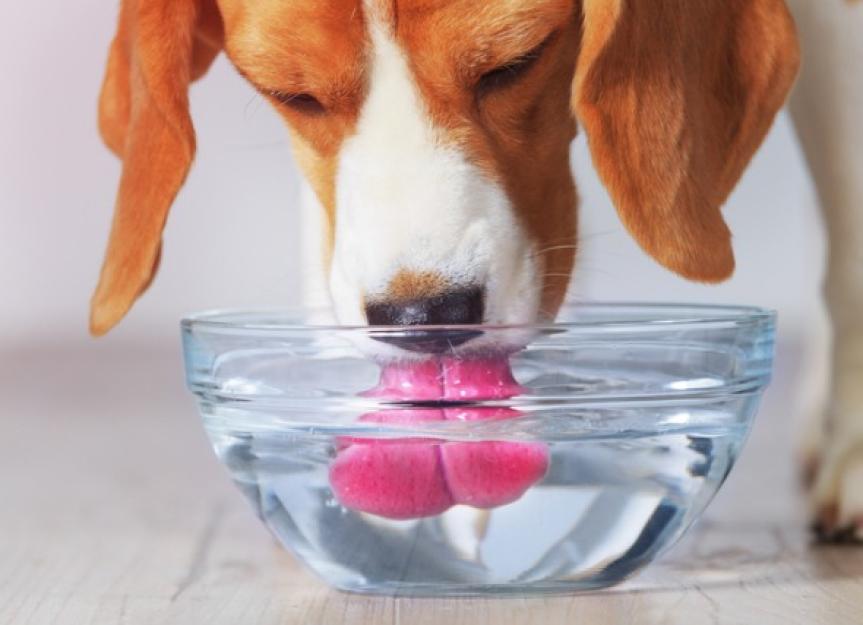
Dog Dehydration: Spotting the Signs & Expert Home-Care
Here's a counter-intuitive fact I often share in the exam room: dogs can appear to drink plenty of water, yet still be chronically dehydrated. Why? Because underlying medical conditions or even the type of food they eat can impact their hydration levels more than you think. It's not just about the water bowl.
For Busy Owners: Dehydration in dogs is serious, impacting everything from organ function to temperature regulation. Key signs include tacky gums, skin tenting, and lethargy. If you spot these, offer small amounts of water and consult your vet immediately to address any underlying causes.
Why is My Dog Dehydrated? Understanding the Root Causes
Dehydration occurs when a dog loses more fluids than it takes in. Fluid loss happens through normal processes like panting, urination, and defecation, but also through vomiting or diarrhea. Understanding the causes is key to prevention and treatment. Think of it as a delicate balance – more fluid out than in, and the body starts to suffer.
From a clinical perspective, dehydration throws off the delicate balance of electrolytes – sodium, potassium, and chloride – which are mission-critical for nerve function and nutrient transport at the cellular level. This imbalance disrupts the osmotic gradient, impacting how water moves across cell membranes, further exacerbating the problem.
The Clinical Perspective (Biological 'Why')
What I tell my clients is that dehydration at the cellular level impacts mitochondrial function, reducing ATP (energy) production. This is why lethargy is a common symptom. Reduced blood volume also decreases cardiac output, impairing oxygen delivery to vital organs. Over time, chronic dehydration can contribute to kidney damage due to increased concentration of toxins and reduced glomerular filtration rate. In puppies, dehydration can be particularly dangerous due to their higher metabolic rate and immature kidneys.
Home-Care Hacks (Low-cost, practical tips)
- Electrolyte-Enhanced Water: Add a small amount of unflavored Pedialyte to your dog's water. This helps replenish lost electrolytes.
- Canned Food Boost: Mix dry kibble with water or switch to canned food, which has a much higher water content. I often recommend this for senior dogs.
- Ice Cube Treats: Offer ice cubes or frozen broth cubes as a fun and hydrating treat, especially on hot days.
The Red Flag Checklist (When to panic vs. when to wait)
- Immediate Vet Visit: Lethargy, sunken eyes, persistent vomiting/diarrhea, refusal to drink.
- Monitor Closely: Tacky gums, skin tenting, decreased appetite (if mild, offer water and monitor; if worsening, see vet).
- Okay to Wait (But Still Address): Slightly dry nose (ensure fresh water is available and monitor).
Why is Dehydration in Dogs a Serious Issue? The Cascade Effect
Dehydration in dogs is a serious issue because it impacts every system in the body. Reduced blood volume leads to decreased oxygen delivery, causing cellular dysfunction and potentially organ failure. Puppies and senior dogs are particularly vulnerable due to their less efficient regulatory mechanisms.
Severe dehydration can lead to hypovolemic shock, a life-threatening condition where the circulatory system fails to deliver enough oxygen to the body's tissues. The kidneys, liver, and heart are especially vulnerable. At a cellular level, dehydration stresses the endoplasmic reticulum, leading to an accumulation of unfolded proteins and triggering apoptosis (cell death). This is a non-negotiable emergency.
The Clinical Perspective (Biological 'Why')
What I tell my clients is that dehydration causes a cascade of effects. The body attempts to compensate by increasing heart rate and constricting blood vessels to maintain blood pressure. However, this puts extra strain on the heart. Prolonged dehydration can lead to acute kidney injury (AKI) due to reduced blood flow and oxygen delivery to the kidneys. This can cause irreversible damage if not addressed promptly. In the exam room, I always emphasize the importance of early intervention.
Home-Care Hacks (Low-cost, practical tips)
- Subcutaneous Fluid Administration (with vet approval): If your vet approves, learn how to administer subcutaneous fluids at home. This can be a lifesaver for dogs with chronic kidney disease.
- Monitor Urine Output: Keep track of how often your dog urinates. A decrease in urine output can be an early sign of dehydration or kidney problems.
- Offer Water Frequently: Make sure fresh water is always available, especially during and after exercise or hot weather.
The Red Flag Checklist (When to panic vs. when to wait)
- Immediate Vet Visit: Collapse, seizures, difficulty breathing, loss of consciousness.
- Monitor Closely: Decreased urine output, vomiting, diarrhea, lethargy (seek vet attention if symptoms persist or worsen).
- Okay to Wait (But Still Address): Mildly tacky gums (offer water and monitor; see vet if no improvement).
Spotting the Signs: What are the Early Symptoms of Dehydration in Dogs?
Early signs of dehydration in dogs include tacky or sticky gums, reduced skin elasticity (skin tenting), a dry nose, and thick, stringy saliva. Lethargy and decreased appetite may also be present. Recognizing these early symptoms is mission-critical for preventing severe dehydration.
Dehydration impacts saliva production, resulting in thicker, less watery saliva. Reduced fluid volume also affects the tear film, potentially leading to dry eye (keratoconjunctivitis sicca). The underlying mechanism involves decreased activity of salivary glands and lacrimal glands due to reduced blood flow and fluid availability.
The Clinical Perspective (Biological 'Why')
The skin tent test assesses the elasticity of the subcutaneous tissues. In a well-hydrated dog, the skin returns to its normal position quickly. In a dehydrated dog, the skin remains tented due to decreased interstitial fluid volume. Tacky gums indicate reduced saliva production, which normally lubricates the oral mucosa. A dry nose suggests reduced nasal secretions, which are crucial for maintaining the olfactory epithelium and facilitating scent detection.
Home-Care Hacks (Low-cost, practical tips)
- Gum Check Routine: Make it a habit to check your dog's gums regularly. This will help you identify changes early on.
- Skin Tenting Practice: Practice the skin tent test on your dog when they are well-hydrated so you know what normal feels like.
- Nose Moisture Check: Observe your dog's nose throughout the day. A healthy nose should have a slight sheen.
The Red Flag Checklist (When to panic vs. when to wait)
- Immediate Vet Visit: Sunken eyes, collapse, severe lethargy, inability to stand.
- Monitor Closely: Tacky gums, skin tenting, dry nose, thick saliva, decreased appetite (seek vet attention if symptoms persist or worsen).
- Okay to Wait (But Still Address): Slightly decreased energy level (offer water and monitor; see vet if no improvement).
What to Do If You Think Your Dog is Dehydrated: First Steps
If you suspect your dog is dehydrated, the first step is to offer small amounts of cool, fresh water. Avoid giving large quantities at once, as this can lead to vomiting. If your dog is also showing signs of lethargy, vomiting, or diarrhea, contact your veterinarian immediately.
If your dog is willing to drink, offer small amounts of water every 15-20 minutes. You can also try offering an electrolyte solution like Pedialyte, but avoid sugary sports drinks. The key is gradual rehydration to prevent fluid overload and electrolyte imbalances.
The Clinical Perspective (Biological 'Why')
Veterinarians assess the severity of dehydration based on clinical signs and diagnostic tests. Bloodwork can reveal electrolyte imbalances and kidney function. A urinalysis can assess urine concentration, which is an indicator of hydration status. Severe dehydration often requires intravenous fluid therapy to rapidly restore fluid volume and correct electrolyte imbalances.
Home-Care Hacks (Low-cost, practical tips)
- Syringe Feeding: If your dog is reluctant to drink, use a syringe to administer small amounts of water or electrolyte solution.
- Cooling Measures: Apply cool, wet towels to your dog's paws and groin area to help lower their body temperature.
- Quiet Environment: Provide a quiet, comfortable space for your dog to rest and recover.
The Red Flag Checklist (When to panic vs. when to wait)
- Immediate Vet Visit: Any signs of collapse, seizures, or difficulty breathing.
- Monitor Closely: Continued vomiting or diarrhea, refusal to drink, worsening lethargy (seek vet attention immediately).
- Okay to Wait (But Still Address): Mildly tacky gums (offer water and monitor; see vet if no improvement within a few hours).
What are the Common Causes of Dehydration in Dogs?
Common causes of dehydration in dogs include heatstroke, persistent vomiting and/or diarrhea, inadequate water intake, and underlying chronic illnesses such as kidney disease, diabetes, and Cushing's disease. Identifying the underlying cause is mission-critical for effective treatment.
Chronic kidney disease impairs the kidneys' ability to concentrate urine, leading to increased water loss. Diabetes mellitus causes osmotic diuresis, where excess glucose in the urine draws water out of the body. Cushing's disease increases cortisol levels, which can also lead to increased urination and dehydration.
The Clinical Perspective (Biological 'Why')
Heatstroke causes systemic inflammation and vasodilation, leading to fluid loss through panting and evaporation. Vomiting and diarrhea result in direct fluid loss from the gastrointestinal tract. Inadequate water intake can be due to various factors, including dental pain, decreased mobility, or simply not having access to fresh, clean water. Underlying medical conditions can exacerbate dehydration by disrupting fluid balance and hormonal regulation.
Home-Care Hacks (Low-cost, practical tips)
- Regular Water Bowl Checks: Ensure your dog always has access to fresh, clean water.
- Monitor Water Intake: Keep track of how much water your dog is drinking each day.
- Provide Shade and Cooling: Protect your dog from heat exposure by providing shade and cooling measures during hot weather.
The Red Flag Checklist (When to panic vs. when to wait)
- Immediate Vet Visit: Suspected heatstroke, persistent vomiting or diarrhea, collapse.
- Monitor Closely: Increased thirst and urination, decreased appetite, lethargy (seek vet attention if symptoms persist or worsen).
- Okay to Wait (But Still Address): Mildly decreased water intake (ensure fresh water is available and monitor; see vet if no improvement).
How Can I Prevent My Dog From Becoming Dehydrated?
Preventing dehydration in dogs involves ensuring constant access to fresh, clean water, especially during exercise or hot weather. Regular veterinary checkups can help identify and manage underlying conditions that contribute to dehydration. Be mindful of your dog's water intake and watch for any signs of dehydration.
Providing a balanced diet, avoiding excessive salt intake, and monitoring for signs of illness can also help prevent dehydration. Consider adding wet food to your dog's diet to increase their fluid intake. Regular dental care can prevent dental pain that may discourage drinking.
The Clinical Perspective (Biological 'Why')
Maintaining proper hydration supports optimal kidney function, electrolyte balance, and overall cellular health. Adequate water intake helps regulate body temperature, lubricate joints, and transport nutrients. Regular veterinary checkups can identify early signs of kidney disease, diabetes, or other conditions that increase the risk of dehydration.
Home-Care Hacks (Low-cost, practical tips)
- Multiple Water Stations: Place water bowls in multiple locations throughout your home.
- Travel Water Bottle: Carry a portable water bottle for your dog when you're on the go.
- Water-Rich Treats: Offer hydrating treats like watermelon or cucumber slices (in moderation).
The Red Flag Checklist (When to panic vs. when to wait)
- Immediate Vet Visit: Any signs of collapse, seizures, or difficulty breathing.
- Monitor Closely: Decreased water intake, lethargy, changes in urination habits (seek vet attention if symptoms persist or worsen).
- Okay to Wait (But Still Address): No immediate concerns, but continue to monitor water intake and provide fresh water daily.