

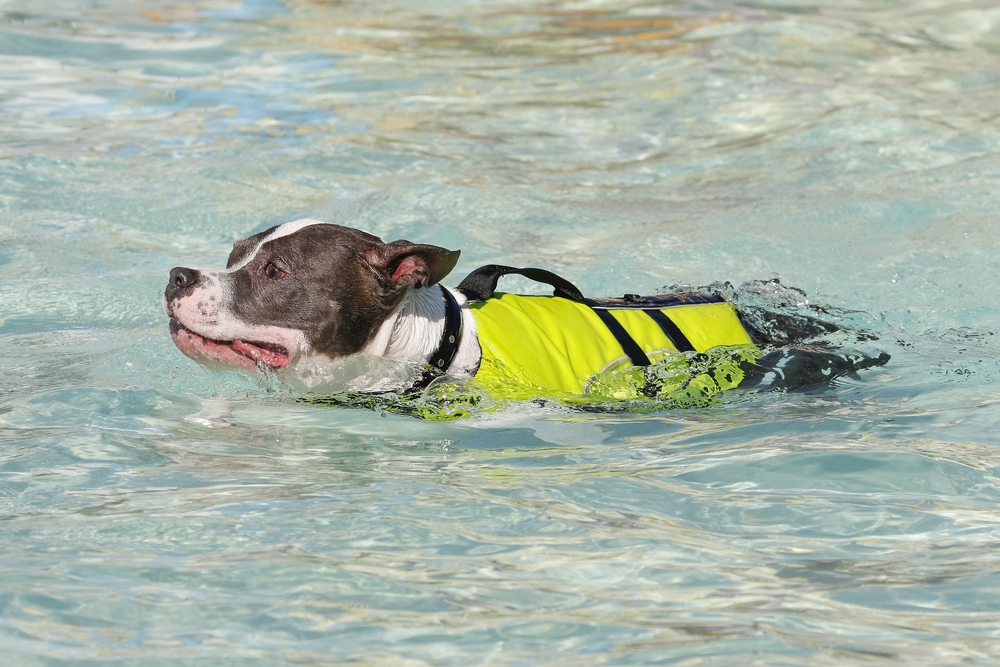
Do Pitbulls Actually Have Webbed Feet? The Surprising Truth for Owners
Here's something you probably didn't know: the presence—or absence—of webbed feet in dogs is less about breed and more about evolutionary pressures and function. It’s a myth that only certain breeds have webbed feet. Actually, almost all dogs have some degree of webbing.
For the busy owner: Pitbulls don't have distinctly webbed feet like a Labrador. Their paws have slight webbing that aids in grip and stability. Proper foot care, including regular checks and nail trims, is crucial for their well-being.
Why is my Pitbull dragging his feet? Understanding Pitbull paw anatomy
The degree of webbing in a dog's paws is determined by their ancestral use. Webbing is skin connecting the toes, aiding in swimming and stability in marshy terrain. While Pitbulls possess some interdigital skin, it's not extensive enough to classify as true webbing. This is because they were historically bred for land-based activities.
From a clinical perspective, the interdigital webbing acts like a natural shock absorber and provides increased surface area for traction. I often explain to my clients in the exam room that this slight webbing helps their dogs navigate uneven surfaces and maintain balance during high-impact activities. Think of it as nature's all-terrain tire.
The Clinical Perspective (Biological ‘Why’)
The development of webbed feet is fascinating from a biological perspective. Genes influencing limb development, such as Hox genes, play a crucial role in determining the extent of interdigital webbing. Breeds with significant webbing, like Newfoundlands, have genetic variations that promote increased skin growth between the toes during embryonic development. This adaptation enhances their swimming ability by increasing the surface area of the paw, allowing for more efficient propulsion through water.
Home-Care Hacks (Low-cost, practical tips)
- Paw Cleaning Station: Keep a bucket with soapy water and a towel near the entrance to clean your Pitbull's paws after walks. This prevents dirt and allergens from being tracked into the house.
- DIY Paw Balm: Mix coconut oil with shea butter to create a moisturizing paw balm. Apply it to your Pitbull's paws to prevent dryness and cracking, especially during winter months.
- Regular Nail Trims: Invest in a good quality nail clipper and trim your Pitbull's nails every 2-3 weeks. Overgrown nails can cause discomfort and affect their gait.
The Red Flag Checklist (When to panic vs. when to wait)
- Excessive Licking: If your Pitbull is constantly licking their paws, it could indicate allergies, infection, or injury.
- Swelling or Redness: Swollen or red paws can be a sign of inflammation or infection.
- Limping: If your Pitbull is limping, check their paws for cuts, splinters, or other injuries.
- Changes in Nail Growth: Unusual nail growth or discoloration can indicate a fungal infection or other health issue.
Are my Pitbull's dry, cracked paws normal? Addressing common foot issues
Pitbulls, like all breeds, are prone to certain foot problems. These range from minor irritations to more serious conditions requiring veterinary intervention. Regular inspection is mission-critical.
Honestly, one of the most common things I see is interdigital cysts. These are those little fluid-filled lumps that pop up between the toes, causing discomfort and licking. We also see a fair share of allergic dermatitis manifesting as itchy paws (pruritus), which the dog then traumatizes further by chewing.
The Clinical Perspective (Biological ‘Why’)
Interdigital cysts often arise due to the occlusion of hair follicles and sweat glands between the toes, leading to inflammation and cyst formation. Allergic dermatitis, on the other hand, involves an immune response to allergens, resulting in the release of histamine and other inflammatory mediators. This causes intense itching and inflammation of the skin, predisposing the paws to secondary bacterial or fungal infections. Understanding these biological mechanisms is crucial for developing effective treatment strategies.
Home-Care Hacks (Low-cost, practical tips)
- Epsom Salt Soaks: Soak your Pitbull's paws in warm water with Epsom salt for 10-15 minutes to reduce inflammation and promote healing.
- Apple Cider Vinegar Rinse: Dilute apple cider vinegar with water and use it as a final rinse after washing your Pitbull's paws to help balance the pH and prevent fungal infections.
- Protective Booties: Use dog booties when walking on hot pavement, rough terrain, or in areas with potential irritants to protect your Pitbull's paws from injury and irritation.
The Red Flag Checklist (When to panic vs. when to wait)
- Non-Weight Bearing Lameness: If your Pitbull refuses to put weight on one paw, it's an emergency.
- Deep Wounds: Any deep cuts or puncture wounds require immediate veterinary attention.
- Foul Odor: A strong, unpleasant odor coming from the paws can indicate a severe infection.
- Rapid Swelling: Rapidly increasing swelling in the paws can be a sign of a serious condition, such as cellulitis or abscess.
Sudden limping and licking: How do I examine my Pitbull's paws?
Examining your Pitbull's paws should be a regular part of your grooming routine. It allows you to identify potential problems early and prevent them from escalating. Make it a positive experience by associating it with treats and praise.
Here's the deal: start by gently running your hands over each paw, checking for any cuts, abrasions, or foreign objects. Pay close attention to the area between the toes, as this is where debris and irritants often accumulate. Also, check the nails for cracks, breaks, or overgrowth. A healthy paw should be clean, smooth, and free from any signs of discomfort.
The Clinical Perspective (Biological ‘Why’)
Regular paw examinations enable early detection of subtle changes, such as the development of corns or the presence of ticks. Corns, often caused by repeated pressure and friction, can lead to significant pain and lameness. Ticks, on the other hand, can transmit various diseases, including Lyme disease and ehrlichiosis. Early detection and removal of ticks are crucial to prevent the spread of these infections.
Home-Care Hacks (Low-cost, practical tips)
- Use a Magnifying Glass: A magnifying glass can help you get a closer look at your Pitbull's paws, especially in hard-to-see areas like between the toes.
- Keep a Paw Examination Log: Keep a record of your paw examinations, noting any changes or abnormalities you observe.
- Create a Paw-Friendly Environment: Avoid walking your Pitbull on hot pavement, rough terrain, or in areas with potential hazards to minimize the risk of paw injuries.
The Red Flag Checklist (When to panic vs. when to wait)
- Embedded Objects: If you find an embedded object in your Pitbull's paw that you can't safely remove, seek veterinary assistance.
- Profuse Bleeding: Any profuse bleeding from the paws requires immediate veterinary attention.
- Severe Pain: If your Pitbull is showing signs of severe pain when you touch their paws, it's best to consult with a veterinarian.
- Systemic Signs: If your Pitbull has a fever, is lethargic, or has a decreased appetite in addition to paw problems, it could indicate a systemic infection.