

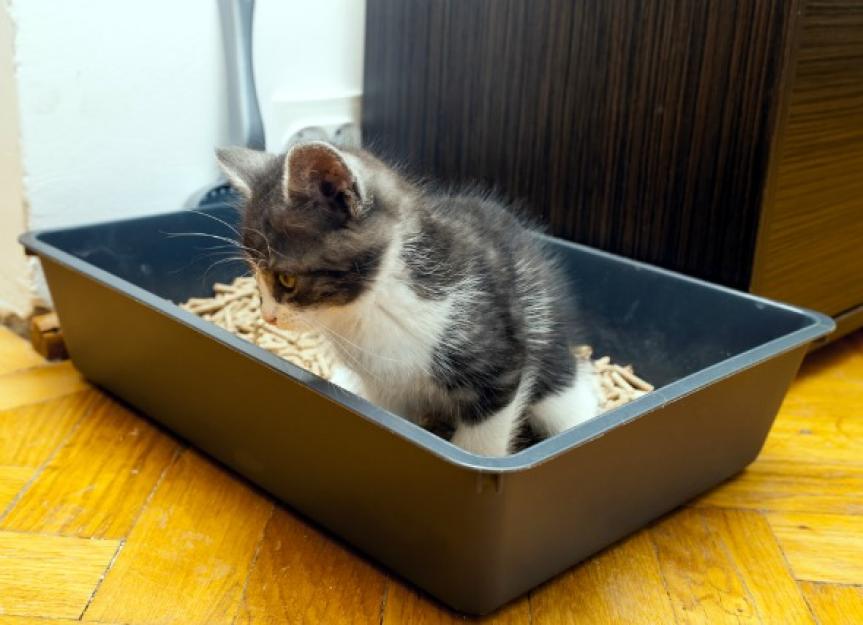
Cystine Stones in Cats: Why is My Cat Straining to Pee?
Here's a counter-intuitive fact straight from the exam room: not all urinary problems in cats are created equal. While many owners immediately assume a bladder infection, cystine stones – a completely different beast – are often overlooked, especially in predisposed breeds. So, let's get to the bottom of this.
For busy owners: Cystine stones are mineral formations in the urinary tract. Siamese and Domestic Shorthairs are at higher risk. Diet and medication can usually dissolve the stones, avoiding surgery.
What are Cystine Stones (Urolithiasis) in Cats?
Urolithiasis, in simple terms, means your cat has stones or crystals in its urinary tract. When these stones are specifically made of cystine, a naturally occurring amino acid, we call them cystine stones. These can lodge in the kidneys, ureters (the tubes connecting kidneys to the bladder), or the bladder itself. The real issue is that these stones mechanically obstruct urine flow, and the sharp edges cause intense inflammation of the bladder wall. Imagine trying to pass gravel – ouch.
Why is My Cat Suddenly Straining to Pee? Understanding the Biological 'Why'
The hallmark symptoms of cystine stones – straining to urinate (dysuria), frequent urination in small amounts (pollakiuria), and even complete urinary blockage (post-renal uremia) – arise from the stone's physical presence and the body's inflammatory response. These are non-negotiable signs that something is seriously wrong. You might also notice hematuria – blood in the urine. Biologically, the body is reacting to a foreign body causing mechanical damage and triggering an inflammatory cascade. The bladder wall becomes inflamed and hypersensitive, leading to the urge to urinate constantly. The real danger here is a complete blockage, which can cause kidney damage and even death if not addressed within 24-48 hours. The underlying cause often involves a genetic defect affecting amino acid transport in the kidneys. This defect leads to increased cystine concentration in the urine, exceeding its solubility and causing crystal formation. It's a bit like having too much sugar in your tea – eventually, it just won't dissolve.
What Causes Cystine Stones to Form in a Cat's Urinary Tract? The Clinical Perspective
Honestly, the exact cause of cystine urolithiasis is still a bit of a mystery. We know that some cats have a genetic predisposition that impairs their ability to process certain amino acids, leading to cystine buildup. Think of it like a metabolic hiccup. Breeds like Siamese and Domestic Shorthairs seem to be genetically predisposed. The underlying biological mechanism involves defective renal tubular reabsorption of cystine. Normally, the kidneys filter cystine and then reabsorb it back into the bloodstream. In affected cats, this reabsorption process is faulty, leading to excessive cystine excretion in the urine. Diet can also play a role. High-protein diets, for example, can increase cystine production. I always tell my clients that it's like a perfect storm: genetic predisposition plus a diet that exacerbates the problem.
How are Cystine Stones in Cats Diagnosed? What Tests are Needed?
Diagnosis typically involves a multi-pronged approach. First, we'll do a physical exam and take a detailed history. Then, we'll run a urinalysis to look for cystine crystals and signs of infection. Radiographs (X-rays) and ultrasounds are mission-critical for visualizing the stones – their size, shape, and location. Sometimes, we need to use a cystoscope, a tiny camera on a flexible tube, to directly visualize the bladder and urethra. The ultrasound allows us to look at the kidneys and ureters to assess for hydronephrosis (swelling of the kidneys due to back-up of urine), which is a serious complication. It is important to differentiate cystine stones from other types of bladder stones (struvite, calcium oxalate), as treatment strategies differ significantly.
What are the Best Treatment Options for Cystine Stones in Cats?
The goal of treatment is to dissolve or remove the stones and prevent future recurrence. The good news is that, in many cases, we can dissolve cystine stones with a combination of diet and medication. A special diet low in protein and high in sodium can help reduce cystine production and increase its solubility in the urine. The medication of choice is usually tiopronin (N-(2-mercaptopropionyl)glycine or 2-MPG), which binds to cystine and makes it more soluble. In severe cases, where the stones are too large to dissolve or are causing a complete blockage, surgery may be necessary to remove them. Honestly, I always try the medical management route first, as surgery carries risks.
Home-Care Hacks: What Can I Do at Home to Help My Cat?
Home care is non-negotiable for managing cystine stones. First, strictly adhere to the prescribed diet. No cheating! Second, ensure your cat has constant access to fresh water to promote urine dilution. Consider using a water fountain to encourage drinking. Third, monitor your cat's urination habits closely. Any signs of straining, blood in the urine, or decreased urine production warrant an immediate vet visit. You can also try adding a small amount of unsalted chicken broth to your cat's water to make it more appealing. The goal is to increase water intake and dilute the urine, which helps prevent cystine from precipitating out of solution.
Red Flag Checklist: When Should I Panic and Call the Vet Immediately?
Here's the deal: some symptoms are more urgent than others. If your cat is completely unable to urinate, that's a life-threatening emergency. Get to a vet immediately. Other red flags include: severe lethargy, vomiting, loss of appetite, and abdominal pain. These signs could indicate a complete urinary obstruction or kidney damage. If you notice any of these signs, don't wait – call your vet. The longer you wait, the greater the risk of permanent damage.
How Can I Prevent Cystine Stones in My Cat in the Future?
While there's no guaranteed way to prevent cystine stones, there are steps you can take to reduce the risk. First, if your cat is a breed predisposed to cystine stones, talk to your vet about a preventative diet. Second, ensure your cat drinks plenty of water. Third, schedule regular checkups with your vet, including urinalysis, to monitor for early signs of cystine crystals. It's also mission-critical to avoid over-supplementation with amino acids, as this can increase cystine production. The key is to maintain a balanced diet and ensure adequate hydration.