

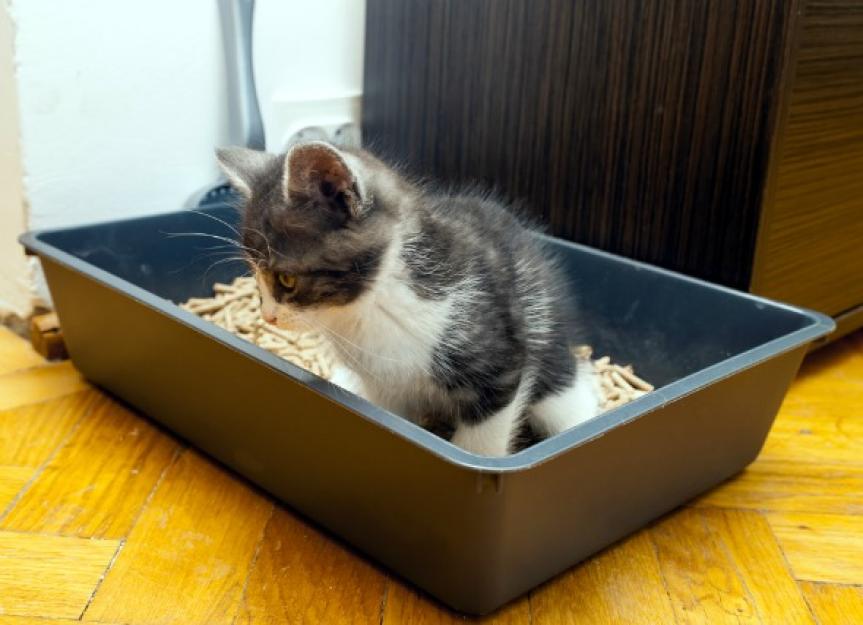
Cat UTI Deep-Dive: Why Is My Cat Suddenly Peeing Everywhere?
Here's something you might not know: feline urinary tract infections (UTIs) are often *not* caused by bacteria, especially in younger cats. In fact, stress and inflammation are far more common culprits. So, if your cat is showing UTI symptoms, don't immediately assume it's a bacterial infection that needs antibiotics. It could be something else entirely.
Is your cat straining to pee or leaving little puddles around the house? These are common signs of a urinary tract infection (UTI). UTIs in cats can be caused by bacterial infections, bladder stones, or even stress. Prompt veterinary care is essential to relieve your cat's discomfort and prevent complications.
Why is My Cat Suddenly Peeing Outside the Litter Box? Understanding Feline Lower Urinary Tract Disease (FLUTD)
If your cat is suddenly peeing outside the litter box, it could signal a urinary tract infection (UTI), specifically Feline Lower Urinary Tract Disease (FLUTD). FLUTD describes any condition affecting the bladder and urethra. Common culprits include bacterial infections, bladder stones, inflammation, and even stress. Addressing this promptly is crucial to prevent discomfort and potential complications.
Here’s the deal: when we talk about feline UTIs, we're often talking about a broader issue called Feline Lower Urinary Tract Disease (FLUTD). This encompasses a range of problems affecting the bladder and urethra. The underlying biology can be complex. For example, chronic inflammation can lead to the formation of struvite or calcium oxalate crystals, which then irritate the bladder lining. This irritation triggers the release of inflammatory mediators, further exacerbating the problem. In older cats, decreased bladder wall elasticity due to age-related collagen changes can also contribute.
The Clinical Perspective: Decoding the Pee
In the exam room, one of the first things I tell my clients is that not all "UTIs" are created equal. We need to differentiate between a true bacterial infection and other FLUTD causes. For example, sterile cystitis (bladder inflammation without infection) is common, especially in stressed cats. The bladder lining becomes inflamed, leading to pain and frequent urination. The exact cause isn't always clear, but stress, diet, and even environmental factors can play a role. I always tell owners that identifying the underlying cause is mission-critical for effective treatment.
Home-Care Hacks: Soothing a Sore Bladder
While veterinary care is non-negotiable, some home adjustments can provide comfort. First, increase your cat's water intake. Add water fountains or offer wet food. More dilute urine can help flush out irritants. Second, reduce stress. Provide plenty of vertical space (cat trees), scratching posts, and hiding places. Feliway diffusers (synthetic feline pheromones) can also help create a calming environment. Honestly, a little TLC goes a long way.
The Red Flag Checklist: When to Rush to the Vet
Some UTI symptoms warrant an immediate vet visit. If your cat is straining to urinate without producing any urine, this is a life-threatening emergency. A blocked urethra can quickly lead to kidney failure. Other red flags include: severe pain, vomiting, lethargy, and blood clots in the urine. When in doubt, always err on the side of caution.
What are the Telltale Signs of a Cat Urinary Tract Infection? Recognizing the Symptoms
Common symptoms of a cat urinary tract infection include difficulty urinating, blood in the urine (hematuria), cloudy or foul-smelling urine, frequent urination in small amounts, and urinary incontinence. Affected cats may also urinate in unusual places. If you observe these signs, seek veterinary attention.
The signs of a UTI can vary, but here’s what I see most often. Difficulty urinating (dysuria) is a big one; you might see your cat straining in the litter box. Hematuria (blood in the urine) is another common sign. Sometimes, the urine looks pink or red; other times, it's just a subtle tinge. Also, pay attention to changes in urination frequency (pollakiuria) and accidents outside the litter box. From a biological perspective, the presence of bacteria or crystals irritates the bladder lining, triggering inflammation and pain. This leads to the urge to urinate frequently, even when the bladder isn't full.
The Clinical Perspective: Why Does it Hurt to Pee?
The pain associated with a UTI stems from the inflammation and irritation of the bladder and urethra. When bacteria invade the urinary tract, the body mounts an immune response, releasing inflammatory mediators like prostaglandins. These substances increase sensitivity to pain and cause the bladder muscles to spasm. In cases of crystal formation, the sharp edges of the crystals physically irritate the bladder lining, causing further discomfort.
Home-Care Hacks: Making the Litter Box More Appealing
Sometimes, a simple change in litter box management can make a difference. Make sure the litter box is clean and easily accessible. Some cats prefer uncovered boxes, while others prefer covered ones. Experiment to see what your cat likes best. Also, consider the location of the litter box. It should be in a quiet, low-traffic area. If you have multiple cats, provide multiple litter boxes to reduce competition and stress.
The Red Flag Checklist: Is it "Just" a UTI, or Something More?
While UTIs are often straightforward, sometimes they can be a sign of a more serious underlying problem. For example, diabetes can increase the risk of UTIs. Kidney disease can also manifest with similar symptoms. If your cat has recurrent UTIs, your veterinarian may recommend further testing to rule out these conditions. I always tell my clients to think of a UTI as a potential "warning light" for other health issues.
How is a Cat UTI Diagnosed? What to Expect at the Vet
Diagnosis of a cat UTI involves a thorough veterinary examination, including a review of the cat's health history and symptoms. A urinalysis is performed to check for bacteria, blood, and other abnormalities in the urine. Urine culture and sensitivity testing identify the specific bacteria causing the infection and determine the most effective antibiotics.
Here's what typically happens in the exam room. First, I'll ask you about your cat's symptoms, diet, and any other health problems. Then, I'll perform a physical exam, palpating the bladder to check for pain or abnormalities. The real mission-critical step is the urinalysis. We collect a urine sample, ideally via cystocentesis (inserting a needle directly into the bladder). This minimizes contamination. The urine is then analyzed for pH, protein, blood, and bacteria. A urine culture confirms the presence of infection and identifies the specific bacteria. This allows us to choose the right antibiotic.
The Clinical Perspective: Why a Urine Culture is Non-Negotiable
A urine culture is not just "another test"; it's essential for effective treatment. Antibiotic resistance is a growing problem, and using the wrong antibiotic can make the infection worse. The culture tells us exactly which bacteria are present and which antibiotics will kill them. Without a culture, we're just guessing, and that's not good medicine. From a biological perspective, bacteria have various mechanisms to resist antibiotics, such as producing enzymes that break down the drug or altering their cell walls to prevent the drug from entering.
Home-Care Hacks: Making Urine Collection Easier
Collecting a urine sample at home can be tricky, but sometimes it's necessary. Your vet can give you a special non-absorbent litter to use. Clean the litter box thoroughly and place the non-absorbent litter inside. Once your cat urinates, use a syringe to collect the sample and bring it to the vet immediately. Refrigerate the sample if you can't get it to the vet right away. Honestly, it's not always easy, but it can save you a trip to the clinic.
The Red Flag Checklist: When the Initial Tests Aren't Enough
Sometimes, the initial urinalysis and culture don't tell the whole story. If your cat has recurrent UTIs, or if the infection doesn't respond to antibiotics, further testing may be needed. This could include X-rays or ultrasound to check for bladder stones or tumors. In some cases, a cystoscopy (using a small camera to examine the bladder) may be necessary. I always tell my clients that we'll do whatever it takes to get to the bottom of the problem.
How are Cat UTIs Treated? Understanding Antibiotics and Beyond
Most cat UTIs are treated with antibiotics prescribed by a veterinarian. The specific antibiotic depends on the type of bacteria identified in the urine culture. In addition to antibiotics, pain medication may be given to relieve discomfort. Dietary changes and increased water intake can also help support urinary health.
The cornerstone of UTI treatment is, of course, antibiotics. However, it's not always that simple. We need to choose the right antibiotic, based on the urine culture results. The duration of treatment also varies, depending on the severity of the infection. In addition to antibiotics, pain management is mission-critical. Non-steroidal anti-inflammatory drugs (NSAIDs) can help reduce inflammation and pain. However, these medications must be used with caution in cats, as they can have side effects. From a biological perspective, antibiotics work by interfering with bacterial cell wall synthesis, protein synthesis, or DNA replication. Pain medications block the production of inflammatory mediators, reducing pain and swelling.
The Clinical Perspective: The Importance of Completing the Antibiotic Course
I can't stress enough the importance of completing the entire course of antibiotics, even if your cat seems to be feeling better. Stopping antibiotics early can lead to antibiotic resistance. This means the bacteria can become resistant to the antibiotic, making future infections harder to treat. I always tell my clients to think of antibiotics as a "full-strength" weapon that needs to be used completely to eliminate the enemy.
Home-Care Hacks: Encouraging Your Cat to Drink More Water
Increasing water intake is a non-negotiable part of UTI treatment. More dilute urine helps flush out bacteria and irritants. Provide fresh water at all times. Offer wet food, which has a higher water content than dry food. Use a water fountain to entice your cat to drink more. You can also try flavoring the water with a little tuna juice (unsalted, of course). Honestly, getting creative with hydration can make a big difference.
The Red Flag Checklist: When the Antibiotics Aren't Working
If your cat's symptoms don't improve within a few days of starting antibiotics, or if they get worse, something else is going on. It could be that the bacteria are resistant to the antibiotic, or that there's an underlying problem, such as bladder stones or a tumor. Your veterinarian may recommend further testing or a change in treatment. I always tell my clients to trust their instincts. If something doesn't seem right, don't hesitate to call us.