The sudden death of a vibrant young woman has plunged a small neighborhood into shock and grief. Known for her ambition, warmth, and optimistic spirit, her loss has galvanized the community and focused attention on the ongoing investigation into the motives behind the tragedy. Authorities suspect that the circumstances may involve personal disputes or underlying factors that go beyond straightforward criminality.
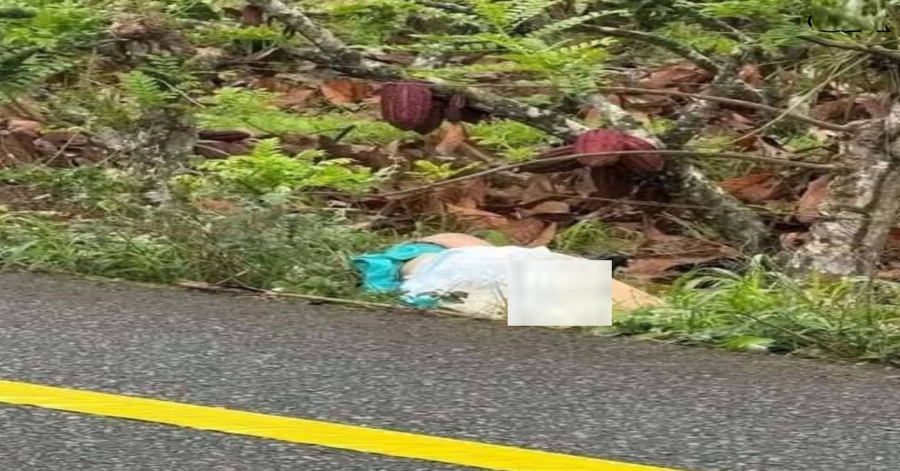
The discovery was made when local residents found her body in a secluded area and immediately alerted emergency services. Police and forensic teams arrived quickly, securing the scene and launching a meticulous inquiry. With no immediate signs of theft or robbery, investigators have shifted their focus to other possible motives, underscoring the complex dynamics that often accompany violent incidents.
The tragedy has deeply affected the neighborhood, which has responded with an outpouring of collective grief, anger, and solidarity. Residents have held vigils, leaving flowers, candles, and notes in her memory—a testament to the close bonds within the community. Local advocacy groups have also joined the conversation, calling for a thorough investigation and using the moment to highlight the broader issue of violence against women. They hope to spark dialogue that leads to meaningful change and better protection for vulnerable individuals.
As details continue to emerge, friends and family remember the young woman as a determined and compassionate person who left a lasting impression on everyone she met. Her ambitions were not self-centered; she was deeply committed to uplifting others. Those closest to her now pray for accountability and justice, believing that such an outcome would honor her legacy and offer some solace.
The case has provoked wider reflection on jealousy, interpersonal violence, and the need for early intervention. Experts in domestic violence and community safety emphasize the importance of recognizing warning signs and addressing societal factors—such as cultural attitudes, economic inequality, and the normalization of aggression—that perpetuate cycles of harm. They argue that education, advocacy, and systemic reforms are essential to creating safer environments.
Social networks and support systems also play a critical role. Friends, families, and local organizations can act as a first line of defense by identifying at-risk individuals and connecting them with resources. This tragedy has resonated beyond the local area, sparking national and international conversations about women’s safety and rights. Activists are calling for stronger protections and stricter accountability for perpetrators, insisting that a united front is vital to driving reform.
As the investigation proceeds, the community holds onto hope for justice. The shared grief and activism may serve as catalysts for lasting change, pushing broader societal conversations toward tangible action. While the loss is a stark reminder of life’s fragility, it also demands a deeper commitment to prevention and protection. Ultimately, a nuanced understanding of violence—combined with community engagement and advocacy—has the power to foster healing and build environments where all individuals, especially the most vulnerable, are safeguarded and valued.