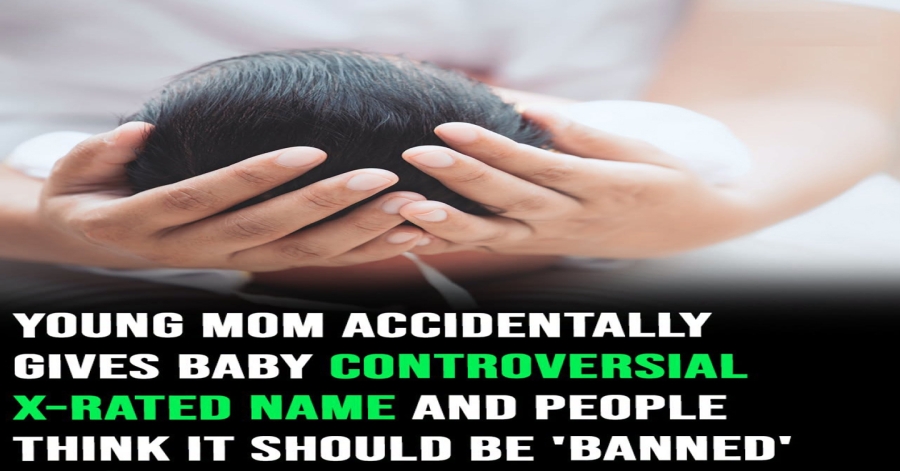
A young mother thought she had found the perfect way to honor her two beloved grandparents—until she shared her choice with the rest of the family.
Her grandparents were named Harvey and Charlotte. Rather than picking one name over the other, she blended them into something she believed was unique and deeply personal. Her daughter would be called **Harlotte**.
To the 20-year-old new mother, the name was a creative and sentimental tribute—a way to keep both grandparents present in her child’s life. But when she revealed the name to her relatives, the reaction was anything but warm.
Within moments, several family members pointed out an uncomfortable similarity: *Harlotte* sounded dangerously close to *harlot*—an archaic and derogatory term. What was meant as a loving homage quickly turned into a family dispute.
According to a relative who later shared the story online, the name had already been officially registered by the time the wider family found out. And while the mother stood by her decision, others were vocal in their disapproval. The debate was immediate—and emotional.
Once the story surfaced on social media, opinions poured in. Some suggested compromise: use a nickname like Lottie, Harley, or Charley to preserve the essence of the tribute while avoiding the negative connotation. Others were less sympathetic, questioning whether parents should think more carefully before giving a child a name that could invite years of teasing or misunderstanding.
That question sits at the heart of a much larger debate: how much freedom should parents have when naming their children?
Around the world, answers vary. Some countries enforce strict naming laws that ban names deemed offensive, confusing, or potentially harmful to a child. In the
United States, however, parents are generally given broad creative liberty—a freedom that has produced everything from heartfelt originals to headline-making oddities.
Proponents of naming freedom argue that names are an expression of culture, identity, and personal meaning. Critics counter that children are not canvases for parental creativity—they are individuals who will carry that name through school, work, and life, long after the novelty fades.
What makes this particular story so compelling is the mother’s genuine intention. She wasn't being reckless or flippant. She was trying to weave her grandparents' legacy into her daughter's identity. It was an act of love—one that simply didn't translate the way she hoped.
That’s the unpredictable nature of names. They can carry profound emotional weight for the person choosing them, while striking a completely different chord with everyone else. A name that looks beautiful in writing may carry an unexpected pronunciation, an awkward abbreviation, or an unintended double meaning once it enters the real world.
That’s why many parents spend months testing potential names: saying them aloud with the last name, imagining possible nicknames, checking meanings across languages, and considering how a child might feel introducing themselves in a classroom or a job interview.
For this little girl, the controversy began before she could even understand it. She may grow up to love her unusual name, choose to go by a nickname, or eventually decide to change it entirely. But her story has already ignited a much larger conversation—about intention versus impact, creativity versus caution, and the fine line between a tribute and a burden.
What do you think? Should parents have full freedom to name their children as they wish, or should there be limits when a name carries the risk of embarrassment or harm?