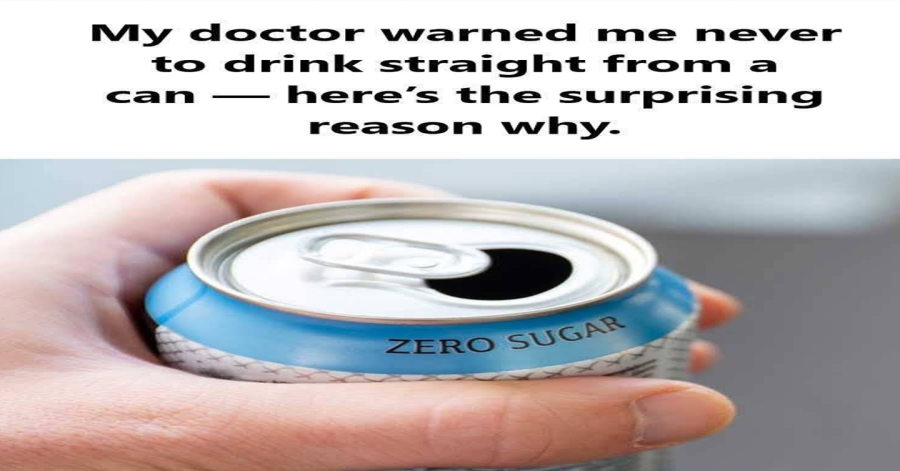
Drinking straight from an aluminum can is quick, convenient, and something most of us do without thinking twice. However, this everyday habit may carry a few overlooked risks—from bacteria on the rim to long-term health considerations worth understanding.
**Bacterial Contamination on the Can's Surface**
Before reaching your hands, beverage cans travel through warehouses, trucks, stockrooms, and store shelves. Along the way, they can collect dust, dirt, and bacteria. Testing highlighted by CBS News has found some can tops contaminated with bacteria due to improper storage conditions. While not every can is unsafe, the rim may not always be as clean as it appears. Drinking directly from an unclean surface could potentially expose you to germs that cause gastrointestinal discomfort or mild infections. A simple fix is to wipe the top of the can before opening it.
**Chemical Exposure from Can Linings**
Most aluminum cans are lined with protective coatings to prevent corrosion and preserve taste. Some of these linings historically contained Bisphenol A (BPA). Research has linked BPA exposure to hormonal disruption, reproductive concerns, and potential increased cancer risk. While many manufacturers have reduced or replaced BPA in recent years, concerns remain about cumulative exposure from multiple sources. Heat and long storage periods may increase the likelihood of chemical migration into beverages. To minimize risk, store canned drinks in cool places and avoid leaving them in hot cars.
**Risk of Ingesting Foreign Objects or Insects**
Though uncommon, insects like bees or wasps can enter open cans left unattended outdoors. Drinking without checking could result in painful stings inside the mouth or throat. For individuals with allergies, this could trigger serious reactions, including anaphylaxis. A safer option is to pour the beverage into a glass or use a straw when outdoors.
**Dental Health Concerns**
Many canned beverages—especially sodas and energy drinks—are highly acidic and sugary. These substances can erode tooth enamel, promote cavities, and contribute to long-term tooth decay. Sipping directly from a can may prolong contact between the liquid and your teeth, increasing damage risk. Using a straw and rinsing your mouth with water afterward can help protect your teeth.
**Environmental Considerations**
While aluminum is recyclable, not every can makes it into the recycling stream. Manufacturing and disposal contribute to energy consumption and environmental impact. Choosing reusable bottles or purchasing beverages in larger containers can help reduce waste.
**Expiration and Storage Issues**
Canned beverages do expire. Over time, flavor can degrade and chemical interactions between the lining and beverage may occur. Always check expiration dates, store cans in cool, dry areas, and avoid consuming bulging or damaged cans.
**Metabolic Health Impact**
Beyond the can itself, the contents matter most. Regular consumption of sugary beverages is linked to obesity, Type 2 diabetes, insulin resistance, and metabolic syndrome. Even diet sodas containing artificial sweeteners have been studied for potential effects on gut health and cravings. Moderation—and choosing water or unsweetened drinks more often—supports better long-term health.
**Practical Tips for Safer Consumption**
To reduce potential risks, wipe the can's rim before opening, use a straw or pour into a glass, check expiration dates, store beverages properly, limit sugary drinks, and recycle responsibly.
**Final Thoughts**
Drinking from aluminum cans is generally safe for most people—but it's not entirely risk-free. Small precautions can minimize exposure to bacteria, chemicals, and other avoidable hazards. A quick wipe of the rim, mindful storage, and moderation in sugary drinks can make a meaningful difference. Convenience is important, but a few extra seconds of caution can help protect your health in the long run.