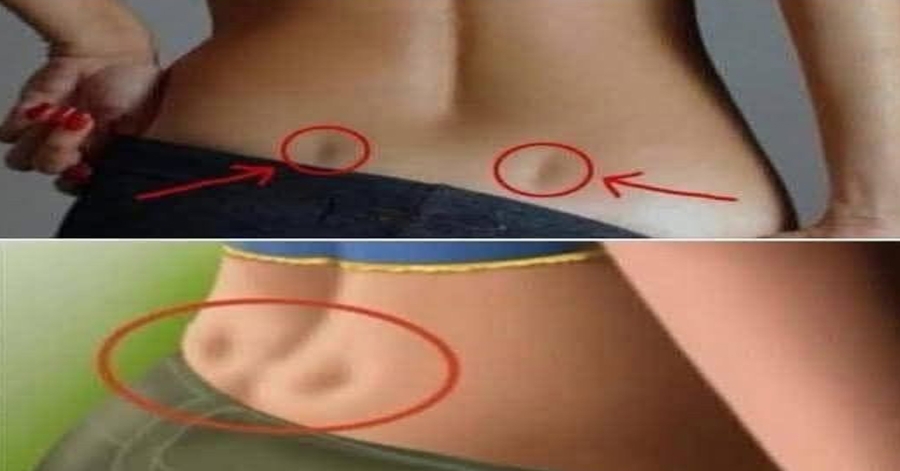
Have you ever noticed two small, natural dimples on the lower back, just above the buttocks? Known as Venus dimples, these indentations are more than a cosmetic trait; they are a fascinating window into your body's structure and circulatory health, especially meaningful for older adults attentive to their body's signals.
**What Are Venus Dimples?**
Venus dimples are natural indentations formed where a short ligament connects the skin to the posterior superior iliac spine of the pelvis. This genetic trait is not something you can develop through exercise or diet—you either have them or you don't. In men, they are sometimes called Apollo dimples, but their origin is the same. Unlike features influenced by body fat or muscle tone, Venus dimples are solely determined by your skeletal and connective tissue structure.
**Health Implications of Venus Dimples**
While not a definitive health diagnosis, the presence of Venus dimples can be linked to several positive physiological indicators:
* **Enhanced Circulation:** Their location suggests a pelvic structure that may facilitate efficient blood flow to the lower back and pelvic region. For seniors, this can correlate with reduced stiffness and circulatory discomfort in those areas.
* **Favorable Bone Alignment:** Since these dimples are tied to pelvic ligaments, their presence often indicates good skeletal alignment and posture—a crucial element for spinal health and mobility as we age.
* **A Genetic Marker:** Venus dimples are a lifelong, unchanging genetic feature. Some studies suggest they may be associated with naturally strong ligament and joint function in the lower back.
It's important to note that not having these dimples does not imply poor health. They are simply one of many natural variations in human anatomy.
**Venus Dimples, Fitness, and Aging**
Although exercise cannot create Venus dimples, maintaining a healthy weight through activities like walking and stretching can make them more visible. For older adults, this highlights how a active lifestyle can help preserve the body's natural contours.
Historically, these dimples have been celebrated in art as a symbol of beauty and vitality—a reminder that such markers of grace are timeless and belong to people of all ages.
**Should You Be Concerned?**
Venus dimples are not a medical condition and are unrelated to pain or disease. However, if you experience chronic lower back pain or circulatory issues, these symptoms should be addressed with a healthcare professional independently of the dimples.
**A Final Reflection**
In our 60s, 70s, and beyond, our bodies tell the stories of our lives. Venus dimples are one such quiet narrative—a genetic signature pointing to our unique build and potential health advantages. Whether you have them or not, they serve as a reminder to appreciate our bodies' intricate design and to prioritize the nourishing habits that support our well-being through every stage of life.