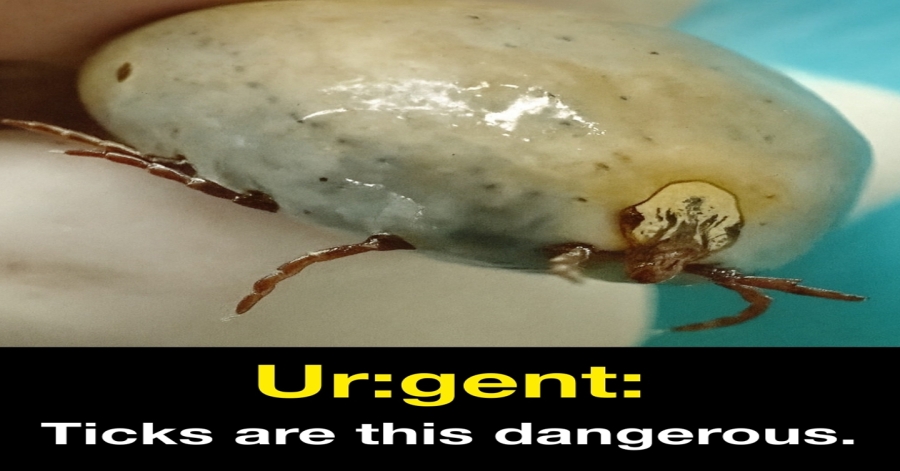
Despite their small size, ticks are incredibly resilient parasites capable of transmitting dangerous diseases to both humans and animals. Their stealthy nature—latching onto skin and feeding on blood—makes them a hidden threat, often going unnoticed until they’ve already spread serious illnesses like **Lyme disease, Rocky Mountain spotted fever, or anaplasmosis**.
---
### **Characteristics & Habitat**
Ticks are **arachnids** with oval bodies, short legs adapted for clinging to hosts, and colors ranging from light brown to black. While they start as small as a sesame seed, they can swell significantly after feeding.
**Common habitats include:**
✔ Wooded areas & rural trails
✔ Tall or overgrown grass
✔ Piles of dry leaves
✔ Areas frequented by wild or domestic animals
---
### **Health Risks to Humans & Animals**
A tick bite isn’t just an itchy nuisance—it can lead to severe, long-term illnesses if untreated. Some of the most dangerous diseases they carry include:
- **Lyme disease** – Causes fever, fatigue, joint pain, and neurological issues.
- **Rocky Mountain spotted fever** – Triggers high fever, rash, and circulatory problems.
- **Anaplasmosis & babesiosis** – Weakens the immune system and damages blood cells.
---
### **Prevention: Your Best Defense**
Reducing exposure is key to avoiding tick-borne diseases. Follow these **essential precautions**:
✔ **Wear protective clothing** – Long sleeves, light-colored fabrics, and pants tucked into socks.
✔ **Use repellents** – Apply DEET or icaridin on skin and clothing.
✔ **Perform thorough checks** – Inspect your body, scalp, and clothes after outdoor activities.
✔ **Check pets** – Brush and examine them before they enter the house.
✔ **Maintain your yard** – Keep grass short, clear leaf piles, and remove weeds.
---
### **What to Do If Bitten**
If you find a tick attached:
1. **Use fine-tipped tweezers** to grip it as close to the skin as possible.
2. **Pull straight out**—avoid twisting or crushing it.
3. **Clean the area** with soap, water, and disinfectant.
4. **Monitor for symptoms** (fever, rash, muscle pain) and seek medical attention if they appear.
---
**Stay vigilant—early detection and prevention can save lives!**