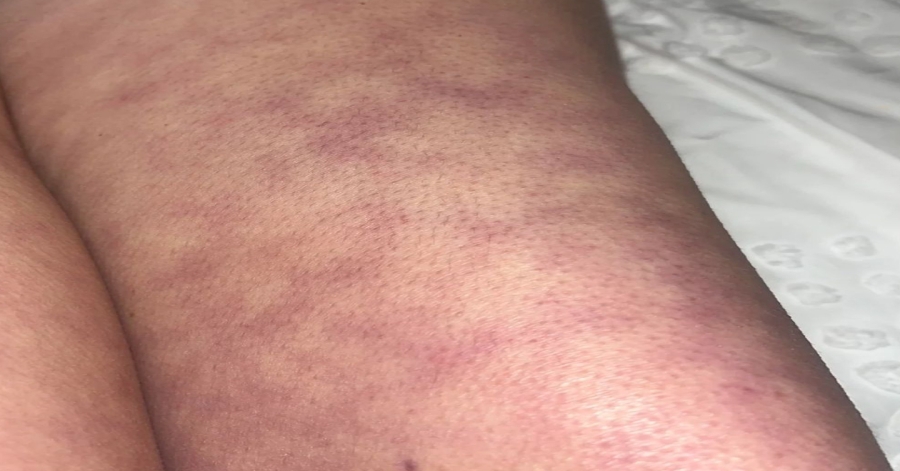
Skin often acts as a mirror to what is happening inside the body. A clear example of this connection is Livedo Reticularis (LR), a vascular condition marked by a purplish, net-like or lace-patterned discoloration on the skin. While it can look concerning, this mottling is not always a sign of a serious illness. However, it can sometimes be associated with underlying systemic conditions that do require medical attention.
Livedo reticularis is identified by a reddish-blue or purple, web-like pattern that most commonly appears on the legs, arms, or trunk. It occurs when blood flow through the small vessels near the skin's surface is slowed or interrupted, leading to a pooling of deoxygenated blood. The discoloration is often more pronounced in cold temperatures and may fade once the skin is warmed.
There are two primary forms of this condition. The first is physiological (primary) livedo reticularis, a benign and temporary reaction to cold that is common in children, young adults, and those with fair skin; it typically resolves on its own with warmth. The second is pathological (secondary) livedo reticularis, which is linked to an underlying health issue such as an autoimmune disease, vascular disorder, or blood clotting abnormality. This form is more persistent and requires medical evaluation.
The causes behind this skin pattern vary widely. Common triggers include cold exposure, which is harmless, as well as vascular issues like vasculitis, autoimmune diseases such as lupus, blood clotting disorders, and certain medications. In rare instances, it can be a sign of a serious illness like Sneddon’s syndrome, which involves an increased risk of stroke.
The main symptom is the distinctive net-like skin discoloration. Depending on the cause, someone may also experience coldness, numbness, pain in the affected areas, skin ulcers, or even neurological symptoms like headaches.
A diagnosis usually begins with a physical exam and a review of medical history. A doctor may order blood tests to check for autoimmune or clotting disorders, and in some cases, a skin biopsy or imaging studies may be needed.
Treatment is focused on the root cause. Primary livedo reticularis requires no treatment other than avoiding cold and keeping warm. For the secondary form, treatment involves managing the associated condition, which may include medications like blood thinners or anti-inflammatory drugs, as well as lifestyle changes such as quitting smoking and exercising regularly.
It is important to consult a doctor if the skin discoloration does not fade with warmth, or if it is accompanied by pain, skin ulcers, joint pain, fatigue, or neurological issues. While often harmless, livedo reticularis can be a valuable visible clue that leads to the diagnosis and treatment of a more significant health problem.