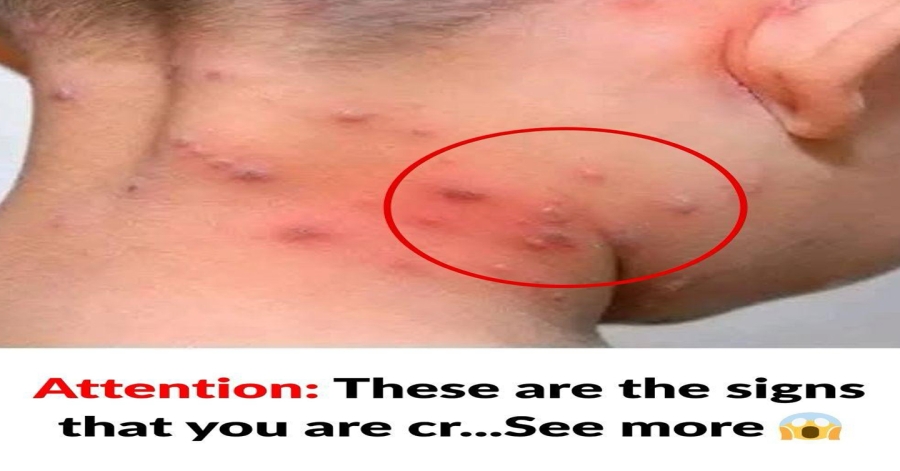
As we age, our skin grows more delicate and reactive, often becoming prone to inflammation. For many older adults, a persistent skin rash is more than a minor annoyance—it can be a source of pain, self-consciousness, and emotional strain. Whether triggered by allergies, autoimmune issues, or environmental factors like heat and dry air, understanding these conditions is the first step toward relief.
Here’s a look at the most common skin rashes affecting people over 60 and the practical steps you can take to manage them.
#### Why Skin Rashes Become More Common with Age
Skin rashes have numerous causes, from environmental allergens and medications to autoimmune conditions and stress. With age, the immune system can react in new ways, turning what was once a mild sensitivity into a more significant reaction. While not all rashes are dangerous, they can cause considerable discomfort and confusion. Recognizing that each rash requires a specific approach to care is key to effective management.
#### Common Skin Rashes in Older Adults
**1. Atopic Dermatitis: The Persistent Itch**
Atopic dermatitis is a chronic, often genetic, condition characterized by intense itching and dry, inflamed skin. It commonly flares in response to triggers like weather changes, stress, or diet.
* **Symptoms:** Severe itching, red patches that may ooze or blister, and dry, scaly skin that can crack. It often appears in skin folds, on the neck, or on the face.
* **Management:** Relief can be found through prescription creams, consistent moisturizing, and identifying personal triggers. Consulting a dermatologist is recommended for a tailored treatment plan.
**2. Psoriasis: An Autoimmune Condition**
Psoriasis is an autoimmune disorder that causes the rapid buildup of skin cells, leading to thick, scaly plaques.
* **Symptoms:** Raised, red patches covered with silvery-white scales, often on the elbows, knees, and scalp. These patches can be itchy or sore and may crack and bleed.
* **Management:** While there is no cure, treatments like topical creams, light therapy, and biologic medications can effectively control symptoms and reduce inflammation.
**3. Allergic Contact Dermatitis: A Reaction to Irritants**
This rash occurs when the skin reacts to a specific substance, such as a new soap, fragrance, or metal. Seniors can develop new sensitivities they never had before.
* **Symptoms:** A localized red, itchy rash, sometimes with swelling or blisters, precisely where the irritant made contact.
* **Management:** The primary solution is to identify and avoid the trigger. Over-the-counter hydrocortisone can help, but persistent cases may require prescription-strength treatment or allergy testing.
**4. Pityriasis Versicolor: A Fungal Infection**
Caused by an overgrowth of natural yeast, this condition leads to discolored patches on the skin.
* **Symptoms:** Light or dark patches on the trunk, neck, or arms, often with slight flaking or itching, especially when sweating.
* **Management:** This non-contagious rash is typically treated with antifungal shampoos or creams. Good hygiene and keeping the skin dry can help prevent recurrence.
**5. Seborrheic Dermatitis: More Than Dandruff**
Affecting oil-rich areas, this condition causes red, greasy skin covered with flaky white or yellow scales.
* **Symptoms:** Scaly patches on the scalp, eyebrows, sides of the nose, and behind the ears. It is not caused by poor hygiene and can flare due to hormonal or immune changes.
* **Management:** Medicated shampoos, antifungal treatments, and anti-inflammatory creams are commonly used to control symptoms.
#### When to See a Doctor
It’s important to consult a healthcare professional if a rash is persistent, spreads quickly, or causes significant discomfort. Skin conditions can look alike, and an accurate diagnosis is crucial, especially for aging skin that is thinner and more fragile.
Your skin tells the story of your life and deserves compassionate care at every age. If you're struggling with a persistent rash, remember that today’s treatments are more effective than ever. Seeking help from a dermatologist can put you on the path to greater comfort and confidence, allowing you to feel as good on the outside as you do on the inside.