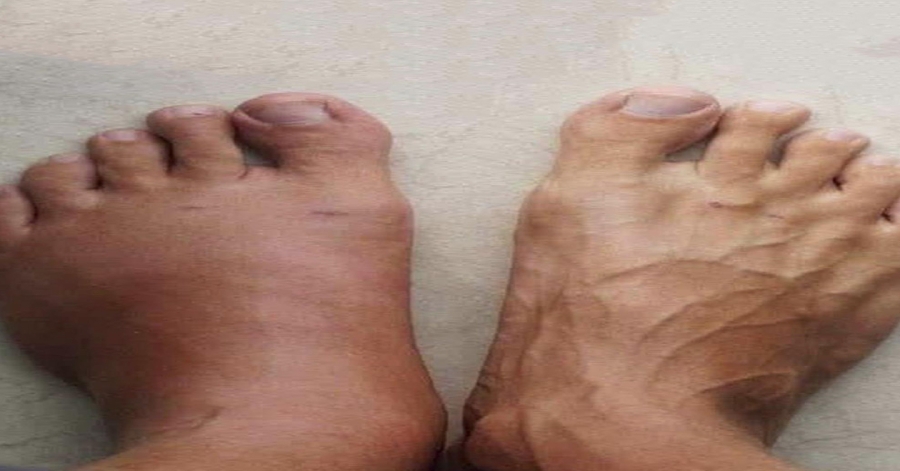
Have you ever woken up to find one foot noticeably larger than the other? That uncomfortable sensation of heaviness, accompanied by tight skin and even trouble fitting into your shoes, is a symptom you shouldn't dismiss. While swollen feet can stem from simple causes like prolonged standing or a minor injury, they can also be your body's way of signaling a more serious underlying condition.
Many people normalize this symptom, assuming rest will always resolve it. Although this is often true, persistent, recurring, or painful swelling—especially when paired with redness or skin changes—demands closer attention and may require a specialist's care.
**Common Causes of Swollen Feet**
A frequent culprit is fluid retention. When your body struggles to eliminate excess water and salts, that fluid often accumulates in the lower extremities. This can be related to heat, a high-sodium diet, or issues with kidney or liver function.
Poor circulation is another common cause. When blood doesn't flow properly, it can pool in the legs and feet, leading to swelling. This is particularly common for those who sit or stand for long periods or have a history of varicose veins.
Joint problems like arthritis or gout are also key contributors. These conditions cause localized inflammation, often accompanied by intense pain and stiffness. Injuries, from sprains to fractures, also trigger swelling as a natural part of the body's inflammatory response.
**When to Seek Medical Attention**
While often minor, swelling can be a red flag for something more serious. Be sure to consult a doctor if you experience:
* Sudden swelling without a clear cause.
* Severe pain or a sensation of heat in the area.
* Skin that is unusually tight or has changed color.
* Swelling that lasts for several days without improvement.
* Difficulty walking or bearing weight on the foot.
These symptoms could indicate serious conditions like a blood clot (venous thrombosis) or an infection, which require immediate medical evaluation.
**Home Care and Prevention**
For mild cases, simple remedies can provide relief. Elevating your legs above heart level, applying cold compresses, and reducing your sodium intake can be effective. Staying well-hydrated is also crucial, as it helps your body flush out excess fluids.
Regular physical activity, such as a daily 30-minute walk, improves circulation and helps prevent fluid buildup. Finally, wearing comfortable, well-fitting shoes that do not constrict your feet is essential for long-term health.
**Listening to Your Body's Signals**
Our feet are a telling reflection of our overall health. While swelling isn't always a cause for alarm, recurring or painful swelling is a signal from your body that should not be ignored. Consulting a doctor is the wisest course of action to ensure that a minor symptom isn't masking a more significant health issue.