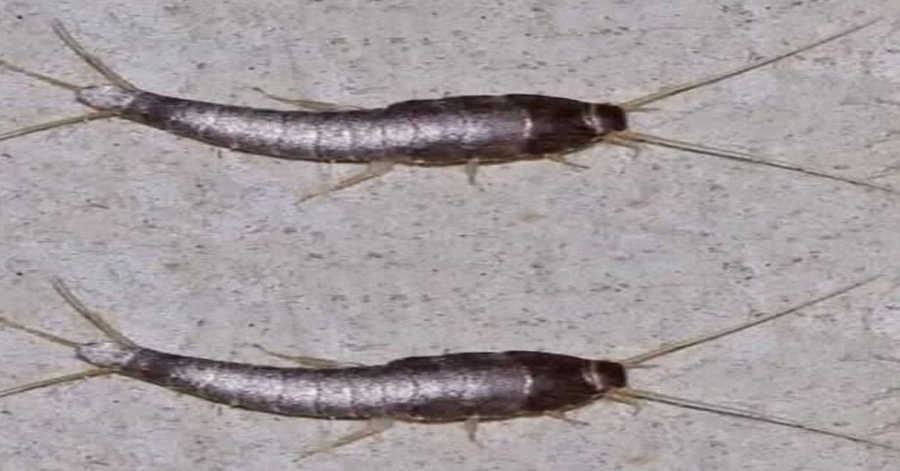
Silverfish are small, wingless insects that have existed for millions of years. Growing to about 1½ inches in length and silvery-gray in color, they move in a quick, wiggly, snake-like motion. Although they are harmless to humans, their presence usually signals excess humidity and easy access to food in your home. Bathrooms, basements, kitchens, and laundry rooms are their preferred hiding spots.
These pests feed on starchy and sugary materials such as paper, cardboard, fabric, and crumbs. If left unchecked, they can damage books, wallpaper, and clothing. Spotting one silverfish often means more are hiding nearby. Look for yellow stains, small holes in fabric or paper, shed skins, or tiny black droppings — all common signs of silverfish activity.
Early detection is important since silverfish breed quickly and thrive in dark, damp environments. The first step in removing them is reducing moisture. Use dehumidifiers, fans, and proper ventilation, especially in basements and bathrooms.
Next, eliminate their food sources. Store pantry items in airtight containers and clear out old paper, cardboard, and magazines. Regular cleaning and reducing clutter will make your home less appealing to silverfish.
Seal cracks and gaps where they might enter or hide. Pay close attention to baseboards, pipes, and wall seams, as these are common access points.
Natural repellents like diatomaceous earth, boric acid, or
essential oils such as lavender and cedar can help keep them away safely. Apply these in problem areas where moisture tends to build up.
Sticky traps or simple homemade paper traps can also reduce their numbers while you address the root causes. Check traps regularly and replace them as needed.
Finally, prevention is key. Keep your home dry, clean, and well-ventilated. Manage indoor humidity, store items properly, and maintain good airflow. By following these steps, you can stop infestations before they start and keep your home silverfish-free.