On November 13, 1985, the Nevado del Ruiz volcano erupted in Colombia, unleashing one of the deadliest natural disasters in South American history. The prosperous town of Armero, home to 29,000 people, was nearly erased from the map. Approximately 20,000 residents perished within the town itself, while the broader death toll climbed to 25,000 across the surrounding region. The settlement was left in ruins and, eventually, completely abandoned.
**The Lethal Lahar**
The true agent of destruction was not the eruption alone, but the pyroclastic mudflows—known as lahars—that it triggered. The volcano's intense heat melted its glacial cap, sending cascades of mud, ash, and debris hurtling down the mountainside at devastating speed. Armero was struck by three successive lahars, claiming many who had initially survived the blast. Compounding the catastrophe was a stark failure in evacuation planning, despite scientists having issued stark warnings about the eruption's potential ferocity.
**Omayra Sánchez: A Face of Tragedy**
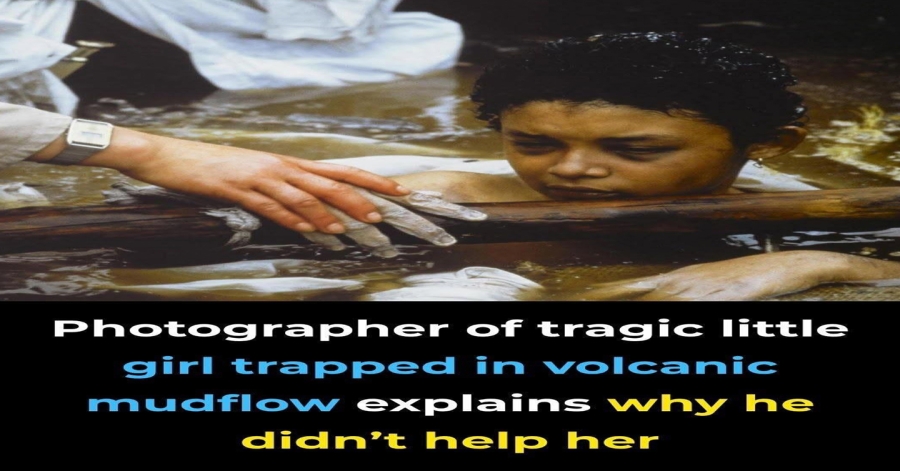
Among the thousands of victims, 13-year-old Omayra Sánchez Garzón emerged as the enduring symbol of the disaster. Trapped for three agonizing days beneath the wreckage of her home—her legs pinned by a heavy brick door and her aunt's lifeless arms wrapped around her feet—rescuers fought desperately but in vain to free her. Her ordeal captured the world's attention and brought a human face to the scale of the loss.
**The Photograph That Shook the World**
French photographer Frank Fournier immortalized Omayra's plight in a haunting image that became synonymous with the tragedy. The photograph, which showed her bloodshot eyes so dark they appeared black, resonated across the globe. Fournier later reflected, "She was facing death with courage and dignity." The picture sparked international outrage and drew urgent attention to the disaster.
Yet Fournier faced sharp criticism from those who asked why he had not attempted to save the girl. Defending his role, he told the BBC: "There was an outcry—debates on television on the nature of the photojournalist, how much he or she is a vulture. But I felt the story was important for me to report, and I was happier that there was some reaction; it would have been worse if people had not cared about it." He maintained that his work was conducted with honesty and integrity, adding, "I believe the photo helped raise money from around the world in aid and helped highlight the irresponsibility and lack of courage of the country’s leaders."
**Resilience in Her Final Hours**
Throughout her final hours, Omayra displayed extraordinary composure. Surrounded by rescue workers, journalists, and photographers, she remained calm even as her condition worsened. Onlookers sang to her, offered food and soda, and tried to comfort her. By the third night, drifting into hallucination, she spoke of needing to attend school for a math exam. Despite her suffering, she selflessly urged those around her to rest.
Her last words were a poignant farewell to her family: "Mommy, I love you so much, daddy I love you, brother I love you." On November 16, 1985, Omayra succumbed—likely to gangrene or hypothermia. Her brother and mother survived; her mother later reflected, "It is horrible, but we have to think about the living… I will live for my son, who only lost a finger."
**A Legacy of Reckoning**
Omayra's death, alongside the thousands of others, provoked widespread condemnation of the Colombian government's inadequate preparedness and its failure to order evacuations despite clear scientific warnings. Her haunting image endures as a powerful reminder of the tragedy and the devastating cost of inaction. As Fournier observed, "People still find the picture disturbing. This highlights the lasting power of this little girl. I was lucky that I could act as a bridge to link people with her. It's the magic of the thing."