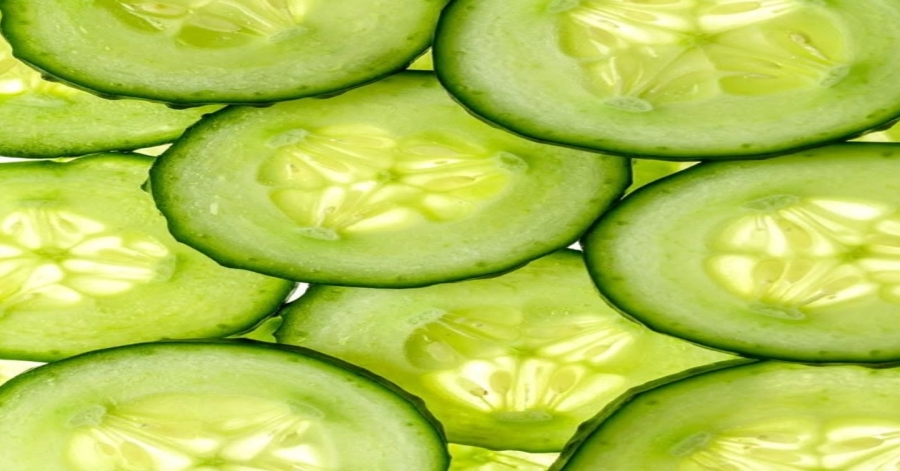
Cucumbers are a widely popular vegetable, celebrated for their crisp texture, mild taste, and refreshing quality. A common ingredient in salads, sandwiches, and spa water, they are generally praised for their health benefits. However, scientists note that overconsumption or specific sensitivities can lead to undesirable effects. A balanced look at both the advantages and potential drawbacks can help individuals make informed dietary choices.
**The Health Benefits of Cucumbers**
Cucumbers offer several significant health advantages. Their most notable feature is their extremely high water content—over 95%—which makes them an excellent food for promoting hydration, supporting kidney function, and helping the body flush out toxins. They are also very low in calories and contain fiber, making them an ideal snack for weight management by promoting a feeling of fullness.
Furthermore, cucumbers are a source of valuable antioxidants, including vitamin C and flavonoids. These compounds help combat oxidative stress, which can protect cells from damage and lower the risk of chronic diseases. Some studies suggest that certain compounds in cucumbers, like cucurbitacins, may even hinder the growth of cancer cells. The presence of potassium contributes to heart health by helping to regulate blood pressure, and early research indicates cucumbers may also aid in blood sugar control.
The benefits extend to skin and beauty; the vitamins, antioxidants, and silica in cucumbers contribute to healthy skin, stronger connective tissue, and are the reason they are a staple in cosmetic treatments.
**Potential Risks of Overconsumption**
Despite their benefits, eating cucumbers in excess can pose problems. Their high water and fiber content can lead to digestive discomfort, such as bloating, in some individuals. For those prone to acid reflux, the vegetable's slight acidity can trigger heartburn, especially when eaten late at night or in pickled form.
Though rare, consuming a very large quantity could contribute to an imbalance in electrolytes by over-diluting them with water, potentially leading to headaches or cramps. Allergic reactions are also a possibility, particularly oral allergy syndrome in people with pollen allergies, which can cause itching or swelling in the mouth and throat. Finally, as with any raw produce, cucumbers can carry a risk of foodborne pathogens if they are not washed thoroughly before eating.
**Conclusion**
Cucumbers are a nutritious, hydrating, and beneficial addition to a balanced diet, offering support for hydration, weight management, and overall health. However, as with any food, moderation is key. Being mindful of portion sizes and one's own bodily responses ensures that the positive attributes of cucumbers can be enjoyed while minimizing any potential adverse effects.