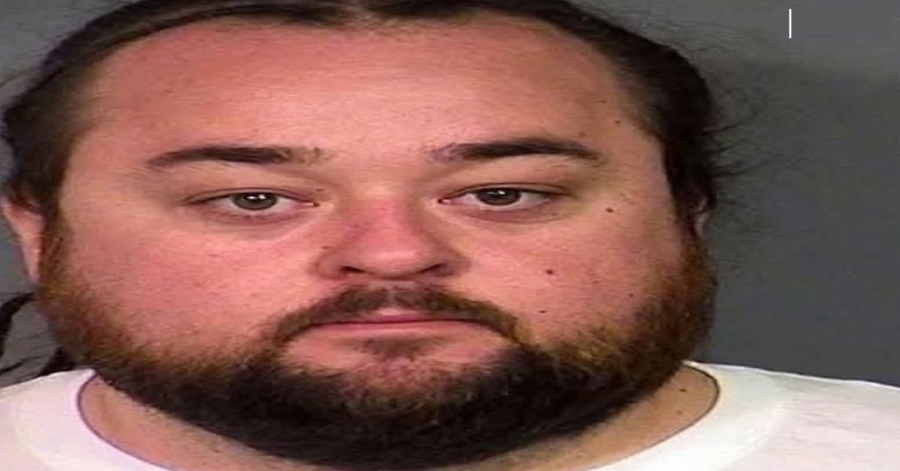
For years, Austin Lee "Chumlee" Russell was known as the lovable, bumbling comic relief behind the counter of the hit reality series *Pawn Stars*. His humor and unpredictability made him a fan favorite. But when his off-screen life collided with the legal system, the lighthearted persona audiences adored gave way to a more sobering reality—one that highlights just how quickly public perception can shift when entertainment meets consequence.
At the height of the show’s popularity, Chumlee’s role was clear: he was the funny guy, the one whose mistakes and one-liners brought levity to every episode. Yet that carefully crafted image began to crack when legal troubles surfaced. The gap between the character on screen and the person facing serious charges forced fans and critics alike to reassess their understanding of him. Television simplifies people into archetypes; real life rarely does the same.
When news broke of Chumlee’s legal entanglements—including drug and weapons charges—the media machine went into overdrive. What could have been a routine case became a public spectacle, fueled by speculation and round-the-clock coverage. For public figures, legal issues are never just legal issues; they become morality plays, with every twist dissected and debated in real time. The scrutiny is relentless, and the pressure to respond only magnifies.
Yet in the world of celebrity scandals, the initial incident is rarely the end of the story. More often, it marks the beginning of a longer arc—one that involves accountability, personal growth, and the possibility of redemption. Rebuilding public trust, however, is neither quick nor guaranteed. It demands consistency, transparency, and visible change over time. Audiences are often willing to believe in second chances, but only if the effort to earn them feels genuine.
Chumlee ultimately avoided jail time, agreeing to a plea deal that included three years of probation. While that closed one chapter, the broader conversation continued. His case sits at the crossroads of entertainment and human fallibility, raising questions about how we judge public figures, how we form opinions, and whether we truly believe people can change.
As the dust settles, the focus shifts from the headline to the longer-term impact on his reputation, career, and identity. Over time, the narrative evolves—shaped not just by what happened, but by how the individual responds. Chumlee’s journey is a reminder that public figures are never defined by a single moment. Instead, their stories are written in the spaces between triumph, failure, and the slow work of moving forward.
Ultimately, this is more than a story about one man’s legal troubles. It is a reflection of how society grapples with the messy overlap between entertainment and reality. It forces us to examine our own expectations, our capacity for forgiveness, and the ways we consume and react to the lives of those we invite into our homes through screens. In the end, Chumlee’s narrative becomes not just a cautionary tale, but a mirror held up to our collective values.