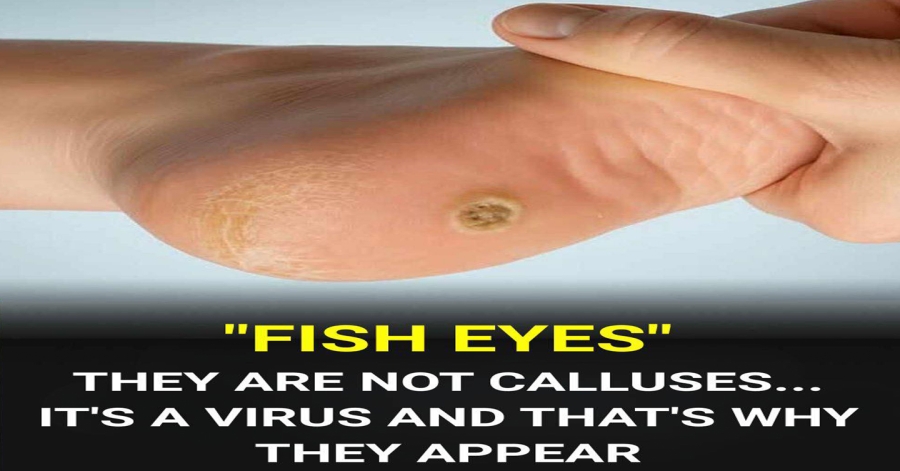
Many people mistake any rough patch on their foot for a simple callus, but this common assumption can lead to misdiagnosis and improper treatment. While plantar warts and calluses may appear similar as thickened areas of skin, they are fundamentally different conditions with distinct causes, development patterns, and treatment requirements.
A plantar wart is not merely a cosmetic issue or friction-related irritation. Medically speaking, it is a viral lesion on the sole of the foot that can cause pain during walking, persistent discomfort, and difficulty bearing weight. Understanding the origins of plantar warts and learning to distinguish them from ordinary calluses is essential for effective treatment.
**Understanding Causes and Identifying Characteristics**
Calluses develop naturally when skin thickens in response to repeated friction or pressure, typically from ill-fitting shoes or constant rubbing. Plantar warts, however, result from infection with the human papillomavirus (HPV). The virus enters the body through tiny cuts, cracks, or vulnerable areas of skin, where it triggers abnormal skin growth that produces the wart.
Because plantar warts are viral infections, they can spread to other parts of the foot or to other people under certain conditions. Warm, damp environments like swimming pools, locker rooms, gyms, and public showers increase infection risk, particularly when walking barefoot.
In appearance, plantar warts typically present as hardened, rounded, slightly raised areas on the skin. A key distinguishing feature is the presence of tiny black dots within the lesion—these are actually clotted small blood vessels. The nature of pain also differs: calluses usually hurt when direct pressure is applied from above, while plantar warts often cause more pain with side-to-side pressure, creating a sensation that seems to come from deeper within the foot. Location can provide additional clues—calluses commonly appear in high-friction areas like heels or toe edges, while plantar warts frequently develop on specific spots on the sole or between toes.
**Treatment, Prevention, and the Importance of Proper Diagnosis**
A widespread mistake people make is treating plantar warts as if they were calluses. Some individuals attempt removal with pumice stones, razors, or over-the-counter patches, believing they are simply dealing with hardened skin. Unfortunately, these approaches fail to eliminate the virus and may actually irritate the area or worsen the condition. Improper handling can also lead to self-infection, allowing the virus to spread to surrounding skin and create new warts. For individuals with circulation problems or weakened immune systems, professional medical care may be particularly necessary.
The discomfort from plantar warts should not be overlooked. Since the sole constantly bears weight, the wart may grow inward, creating the sensation of walking on a small stone. Over time, this can affect mobility and daily comfort.
Treatment for plantar warts focuses on eliminating the virus through specialized medications, dermatological procedures, or healthcare provider recommendations. Prevention is equally important—maintaining good foot hygiene, thoroughly drying feet after bathing, wearing sandals in public showers, and avoiding shared towels, shoes, or pedicure tools can significantly reduce infection risk.
In conclusion, while calluses and plantar warts may appear similar initially, they are fundamentally different conditions. One represents a response to pressure, while the other involves a viral infection requiring distinct treatment approaches. Recognizing this difference is crucial for preventing long-term discomfort and maintaining healthy feet.