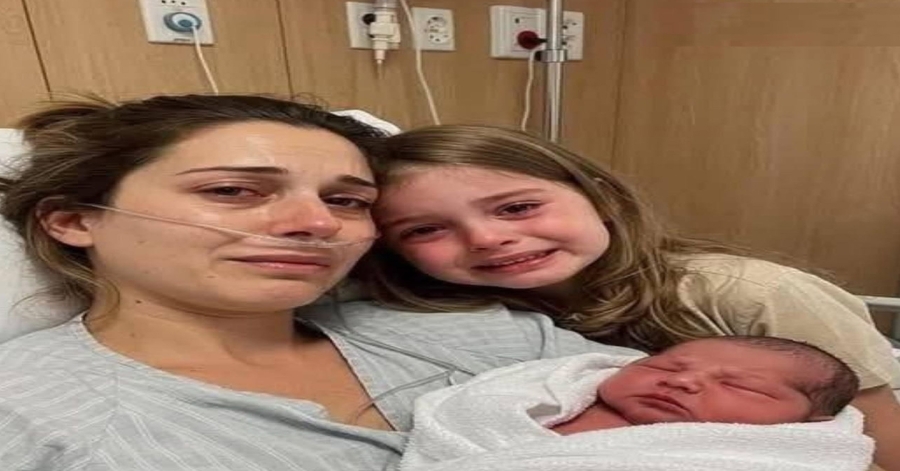
Premature birth—defined as delivery before 37 weeks of gestation—transforms what should be a joyful family milestone into a medical and emotional crisis. With approximately 15 million babies born preterm each year worldwide, and rates continuing to rise, this is not a rare occurrence but a global health challenge. Causes range from maternal health conditions and infections to multiple pregnancies and chronic stress, yet in many cases the exact trigger remains unknown. What is clear, however, is that early arrival sets in motion a cascade of medical, psychological, and social consequences that demand urgent attention.
Medically, prematurity is a spectrum. Infants born before 28 weeks—classified as extremely preterm—face the highest stakes: underdeveloped lungs, unstable body temperature, immature digestive systems, and heightened vulnerability to infections. These babies typically require around-the-clock care in a neonatal intensive care unit (NICU), where respiratory support, nutritional supplementation, and thermal regulation become daily lifelines. Thanks to advances in neonatology, survival rates have improved dramatically, yet each day in the NICU is a delicate balancing act between intervention and patience. Even for late preterm infants (34–36 weeks), risks persist, including feeding difficulties and prolonged jaundice, underscoring that every week in the womb matters.
For parents, the NICU becomes an unexpected second home—one filled with beeping monitors, medical jargon, and sleepless nights. The emotional toll is profound: anxiety over survival, guilt over perceived failures, and grief over lost "normal" birth experiences. Relationships are strained as couples divide their time between hospital corridors and the empty nursery at home. Siblings may feel neglected, and extended family often struggles to know how to help. This psychological burden does not end at discharge; many parents carry lingering trauma, hypervigilance, and fear of developmental delays long after their baby crosses the hospital threshold.
Yet within this hardship lies a powerful counterforce: community. Local support groups, online forums, and hospital-based parent networks offer more than sympathy—they provide practical wisdom on navigating insurance, interpreting medical updates, and even simple acts like holding a tiny hand through an incubator port. Friends and relatives who step in with meals, childcare for older children, or a quiet ear can transform isolation into resilience. Healthcare systems increasingly recognize this, integrating mental health counseling and peer mentoring into NICU protocols. The message is clear: no family should navigate prematurity alone, and the presence of a compassionate network directly correlates with better coping outcomes.
Prevention remains the ultimate goal, and here research offers cautious optimism. Progesterone supplementation, cervical cerclage, and improved management of chronic maternal conditions have shown promise in reducing preterm labor in high-risk pregnancies. Equally critical is public health infrastructure—adequate prenatal care, nutritional support, and education about warning signs like contractions or vaginal bleeding.
Disparities persist, however, with low- and middle-income countries bearing the heaviest burden due to limited resources and lower maternal literacy rates. Global initiatives now prioritize knowledge-sharing and policy reforms, aiming to close this gap through affordable screenings, skilled birth attendants, and community health worker programs.
Ultimately, the story of premature birth is not solely one of medical statistics or clinical interventions—it is a human narrative of fragility and fortitude. Every preterm infant represents a family's fight, a clinician's skill, and a community's embrace. By raising awareness, funding research, and fostering empathetic support networks, we can shift the paradigm from crisis management to holistic care. Awareness educates; empathy heals. And in that dual commitment lies the promise that even the earliest arrivals can grow into lives of full potential, surrounded by the love and understanding they deserved from the very beginning.