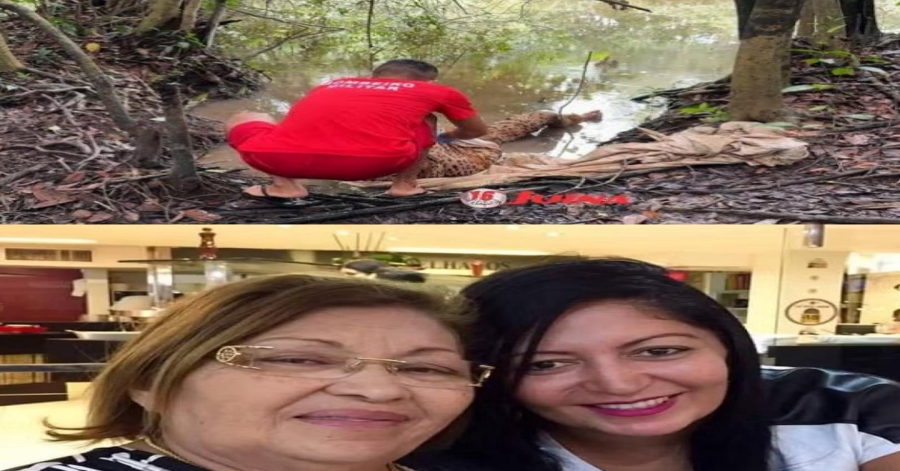
A frantic search is underway along the banks of the Rio Grande after a young mother and her five-year-old daughter vanished while attempting to cross the rain-swollen river from Mexico into the
United States. The disappearance, which occurred late Tuesday night, has cast a grim spotlight on the increasing dangers migrants face as they are funneled into more remote and treacherous crossing points.
The mother, identified by family members as 24-year-old Elena Ramirez, and her daughter, Sofia, were part of a small group attempting to enter the U.S. near a rural area outside of Roma, Texas. According to a survivor who spoke with U.S. Border Patrol agents, the group underestimated the river's powerful current, which has been intensified by recent heavy rainfall upstream.
Witnesses say Ms. Ramirez was holding her daughter tightly as they stepped into the murky water. Midway across, the current became too strong. The group became separated, and within moments, the mother and child were swept away from the others, their cries for help swallowed by the roar of the river.
"The current was just too much," the survivor, who was treated for hypothermia at the scene, told agents. "She was holding the little girl, and then they were just... gone."
The other members of the group managed to struggle back to the Mexican bank, where they alerted Mexican authorities. A bi-national search effort was immediately launched, involving U.S. Border Patrol’s search and rescue team, Texas state game wardens, and Mexican search and rescue units. Helicopters have been sweeping the area, while agents on foot and in boats comb the riverbanks for any sign of the missing pair.
"We are utilizing every asset available to us in the hopes of finding them alive," said Border Patrol Agent in Charge, Omar Rodriguez, at a press conference Thursday morning. "However, the conditions are extremely hazardous. The river is high, the water is cold, and the debris in the current makes it a perilous environment for both the missing and our rescue personnel."
Family members waiting on the U.S. side of the border are in a state of agonizing limbo. Ms. Ramirez’s sister, who lives in McAllen, Texas, and had been expecting to reunite with them, has maintained a vigil by the river since the disappearance.
"She just wanted a better life for her daughter," the sister said through tears, asking to remain anonymous for fear of jeopardizing her own immigration status. "She wanted Sofia to go to a good school and be safe. She told me the coyotes (smugglers) said the river was low. They lied. They took their money and led them to their death."
This incident underscores a deadly trend observed by humanitarian groups along the border. As ports of entry are fortified with additional technology and personnel, migrants are increasingly forced to attempt crossings in more isolated and dangerous locations. The Rio Grande, a seemingly benign ribbon of water in dry months, can quickly transform into a deadly torrent after storms, creating a grave threat for those unfamiliar with its power.
"It’s a common story," said Marta Sanchez, a volunteer with the humanitarian aid group *Ayuda en la Frontera*. "Desperate families put their trust in guides who care only about a paycheck. They are led to the most dangerous spots because that's where enforcement is thinnest. And tragedies like this are the inevitable result."
As the search enters its third day, hope is beginning to fade. The vast expanse of the river, with its snags, undercut banks, and swift currents, can hold its secrets for days or weeks. For the family waiting on the bank, and for the agents scouring the water, the focus has now shifted from a rescue to a recovery.
The search for Elena and Sofia Ramirez continues. Their fate serves as a somber reminder of the immense risks taken by those in pursuit of a dream, and the profound human cost that can lie beneath the surface of a single, unforgiving river.