**Understanding and Managing Earwigs in Your Home**
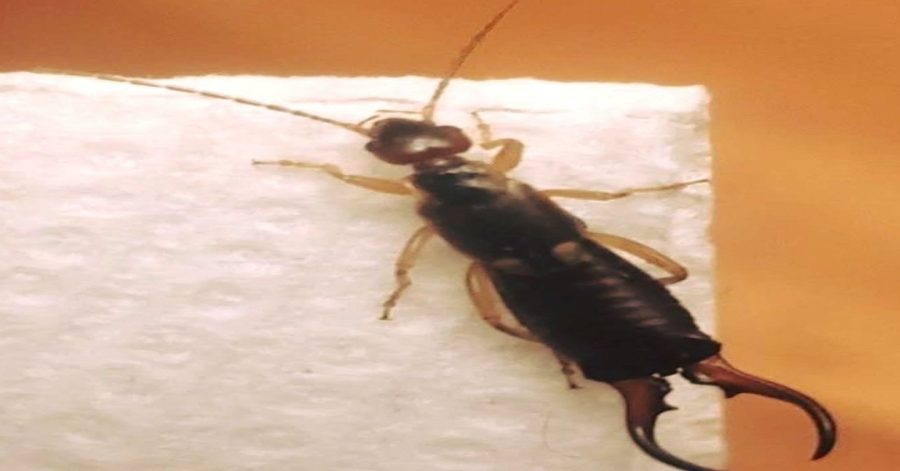
It often starts with a quick glance—a tiny movement along the bathroom floor or near a baseboard. You look closer and notice a small insect with distinctive pincers at the back of its body. For many homeowners, that first sighting of an earwig can feel unsettling. Yet these insects are far more misunderstood than dangerous. Still, when they begin appearing more frequently, it raises two important questions: why are they here, and how can you manage them effectively?
**What Are Earwigs and Why Do They Come Indoors?**
Earwigs are small insects best known for their pincers, which they use primarily for defense and mating—not for harming humans. Outdoors, they thrive in dark, damp environments like under rocks, leaves, and soil. When weather turns warm or rainy, they may move indoors seeking similar conditions. Bathrooms, kitchens, and basements often provide the humidity they need. Their presence inside is usually less a sign of infestation and more an indication that your home offers favorable conditions.
**Why Earwigs Seem More Noticeable**
Earwigs are nocturnal, so they are most active at night, which can make daytime encounters feel sudden or surprising. They are strongly drawn to moisture, which is why they cluster near sinks, tubs, and damp corners. When indoor humidity rises, it creates an environment they find comfortable—so their appearance often signals that moisture levels are worth checking.
**Are Earwigs Dangerous?**
Despite common myths, earwigs are generally harmless to humans. They do not spread disease, and their pincers are rarely used against people; in fact, they usually try to avoid contact altogether. While a large number can be unpleasant, they are more of a nuisance than a threat—though they may point to underlying moisture issues that deserve attention.
**Simple Ways to Reduce Earwig Presence**
The most effective strategy is to make your home less attractive to them:
- **Reduce moisture:** Improve ventilation in bathrooms and kitchens with exhaust fans or open windows to lower humidity.
- **Seal entry points:** Close cracks and gaps around doors, windows, and foundations to block their access.
- **Tidy outdoor areas:** Remove piles of leaves, wood, or debris near your home to eliminate hiding spots where earwigs gather before moving inside.
**Natural and Gentle Control Methods**
If you prefer chemical-free solutions, several simple approaches can help:
- Set traps using household items—for example, place a damp, rolled-up newspaper overnight, then discard it in the morning with the earwigs it attracts.
- Keep indoor surfaces dry and wipe down damp areas regularly to discourage settlement.
These methods emphasize prevention and reduction rather than total elimination, which is often more sustainable over time.
**When to Take Further Action**
If earwigs persist in large numbers despite your efforts, look for deeper issues. Persistent leaks, poor drainage, or inadequate ventilation may be sustaining the problem. Fixing these root causes often resolves the situation more effectively than targeting the insects alone. In some cases, consulting a
pest control professional can provide tailored insight and solutions.
**A Balanced Perspective**
It is natural to react strongly when encountering unfamiliar insects indoors. However, most household pests, including earwigs, are simply responding to environmental cues. By understanding their behavior, you can manage the situation without unnecessary stress. Rather than viewing them as invaders, consider them indicators—their presence often points to moisture or access points you can adjust.
**Conclusion: Turning Awareness into Action**
Finding earwigs in your home can be surprising, but it is rarely cause for alarm. With a clear understanding of why they appear and how they behave, you can take simple, effective steps to reduce their numbers. Managing moisture, maintaining cleanliness, and sealing entry points are often enough to keep your home comfortable. Ultimately, these small signs remind us to stay aware of our environment—so we can respond early and maintain a healthy, balanced living space.