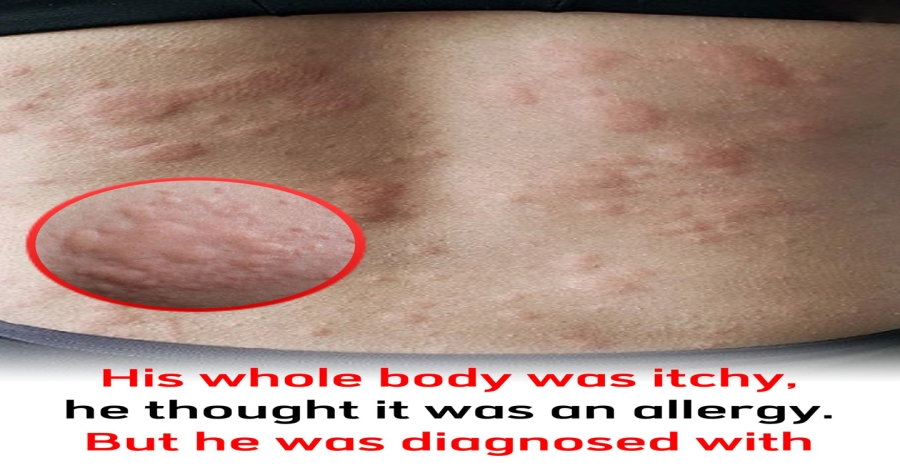
Hives, medically known as urticaria, are itchy, raised welts that appear on the skin. Their color can vary, appearing pink, red, or flesh-colored on lighter skin, and may be slightly lighter or darker than the surrounding skin tone on brown or black skin. While often itchy, they can sometimes sting or hurt.
The primary cause of hives is an allergic reaction, which triggers the body to release histamines—chemicals that defend against perceived threats but can lead to swelling and itching. Common allergens include certain foods, medications, pollen, pet dander, and insect bites. However, hives can also be triggered by non-allergic factors such as stress, exercise, tight clothing, infections, and exposure to extreme temperatures or sweat. Often, the exact cause remains unknown.
Individuals with known allergies or those who are ill are at a higher risk of developing hives. Symptoms include batches of welts that can change size and shape, appear and fade repeatedly, and are often intensely itchy. A more severe form, called angioedema, involves painful swelling around the eyes and lips. While many cases are acute and temporary, chronic hives can persist for months or even years.
For mild cases, relief can often be found with over-the-counter antihistamines, cool baths with colloidal oatmeal or baking soda, and avoiding hot water and skin irritation. However, it is crucial to seek emergency care if hives are accompanied by signs of a severe allergic reaction (anaphylaxis), such as dizziness, swelling of the mouth or throat, or difficulty breathing. For hives that are severe or last more than a few days, consulting a healthcare professional is recommended.