He was in his cell, waiting to be executed, and he asked as a last

He was in his cell, waiting to be executed, and he asked as a last
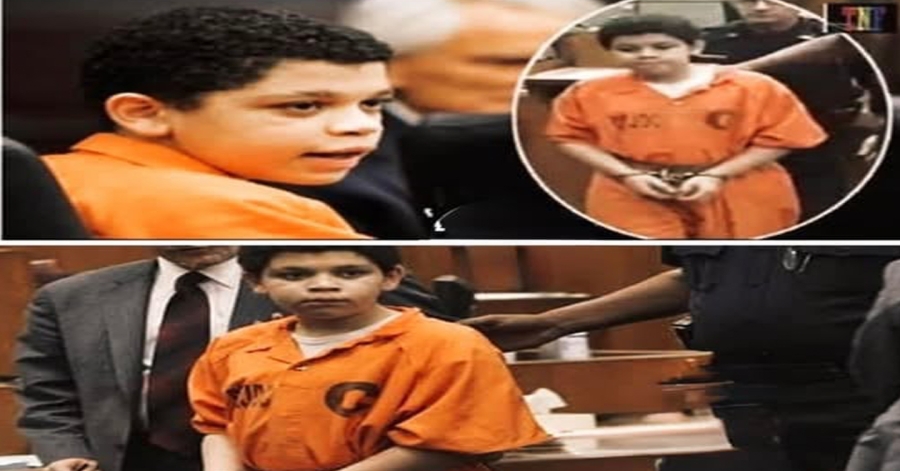
In the United States, which has one of the highest incarceration rates globally, the sentencing of juveniles continues to provoke intense debate. 


According to human rights organizations like Human Rights Watch and the Equal Justice Initiative, dozens of individuals have been sentenced to life in prison for offenses committed before they turned 14. These findings have intensified discussions about the ethical and legal implications of prosecuting children as adults.

The cases behind these statistics vary considerably. Some involve serious violent crimes such as homicide, while others stem from accomplice liability in incidents where the minor was not directly responsible for the fatal act. Many of these young people come from backgrounds marked by poverty, trauma, instability, or limited access to education and support systems. Advocates argue that these environmental factors—along with developmental research showing that adolescent brains are not fully mature—should play a central role in sentencing decisions.

In recent years, the U.S. Supreme Court has issued several landmark rulings on juvenile life sentences. In 2012, the Court ruled that mandatory life without parole for juveniles is unconstitutional, and in 2016 it extended that ruling to apply retroactively.


 These decisions have prompted reviews of past sentences, though implementation has been inconsistent across states. Ongoing legal debates focus on how to balance accountability, public safety, and the possibility of rehabilitation in youth offenders.

Civil rights organizations and legal experts continue to push for sentence reforms, restorative justice models, and broader access to parole hearings. They maintain that the justice system must acknowledge both the gravity of certain crimes and the developmental capacity of young people to change. At the heart of this national conversation lies a fundamental question: how should society respond when children commit serious crimes, and what does justice demand in such complex and painful situations?


According to human rights organizations like Human Rights Watch and the Equal Justice Initiative, dozens of individuals have been sentenced to life in prison for offenses committed before they turned 14. These findings have intensified discussions about the ethical and legal implications of prosecuting children as adults.

The cases behind these statistics vary considerably. Some involve serious violent crimes such as homicide, while others stem from accomplice liability in incidents where the minor was not directly responsible for the fatal act. Many of these young people come from backgrounds marked by poverty, trauma, instability, or limited access to education and support systems. Advocates argue that these environmental factors—along with developmental research showing that adolescent brains are not fully mature—should play a central role in sentencing decisions.

In recent years, the U.S. Supreme Court has issued several landmark rulings on juvenile life sentences. In 2012, the Court ruled that mandatory life without parole for juveniles is unconstitutional, and in 2016 it extended that ruling to apply retroactively.


 These decisions have prompted reviews of past sentences, though implementation has been inconsistent across states. Ongoing legal debates focus on how to balance accountability, public safety, and the possibility of rehabilitation in youth offenders.

Civil rights organizations and legal experts continue to push for sentence reforms, restorative justice models, and broader access to parole hearings. They maintain that the justice system must acknowledge both the gravity of certain crimes and the developmental capacity of young people to change. At the heart of this national conversation lies a fundamental question: how should society respond when children commit serious crimes, and what does justice demand in such complex and painful situations?


" }