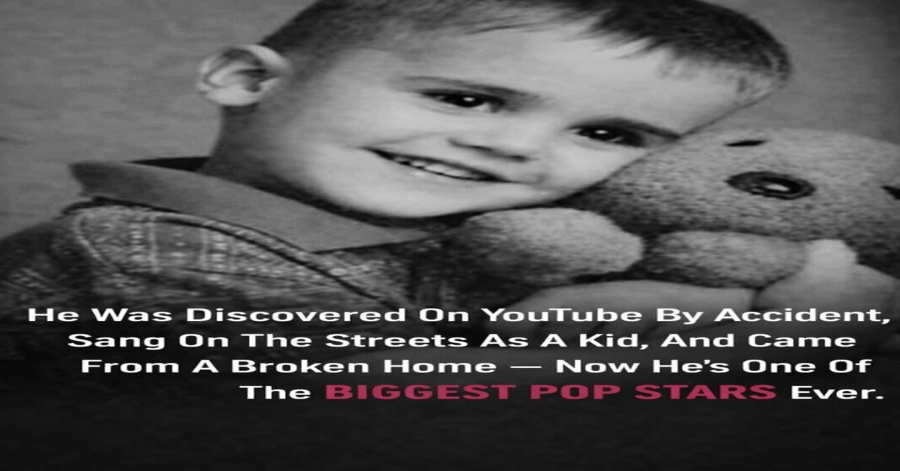
Few figures in modern pop culture have lived as much of their life under a microscope as Justin Bieber. Discovered by accident on YouTube in 2007, the Canadian teenager with the floppy hair and a voice as smooth as honey became the first major superstar born of the social media age. But unlike the polished pop puppets of the past, Bieber’s journey has been a raw, public, and often tumultuous coming-of-age story.
**The Discovery Heard Around the World**
It started in Stratford, Ontario. A single mother, Pattie Mallette, posted videos of her 12-year-old son singing Ne-Yo’s "So Sick” for family and friends. Talent manager Scooter Braun clicked on a video by accident, expecting to see a different artist. Instead, he found Justin.
Within two years, Bieber was signed to R&B icon Usher and released his debut EP, *My World*. The 2009 smash "One Time" was the spark; the 2010 album *My World 2.0* and the inescapable single "Baby" were the explosion. The "Bieber Fever" pandemic had begun. Screaming girls, security convoys, and sold-out arenas became the norm for a boy who hadn’t yet finished high school.
**The Hangover: Growing Up in the Splash Zone**
For a while, the formula worked. *Believe* (2012) showed him trying to shed the "kid" image, dabbling in EDM and R&B. But the machinery of fame was grinding him down. Between 2013 and 2015, the tabloid narrative shifted. The charming kid became the troubled wild child.
Headlines were dominated by drag racing arrests, egging neighbors' houses, reckless driving, and a much-publicized "DUI" and license suspension in Miami. Bieber looked lost—a young man with unlimited resources but no boundaries, struggling against the claustrophobia of global fame. He canceled tour dates, got into scuffles with paparazzi, and publicly feuded with his past self.
For many, this was the end of the story. For Bieber, it was the end of the first act.
**Purpose, Pain, and a Pause**
In 2015, Justin Bieber did something unexpected: he got serious. *Purpose* was not just an album; it was an apology and a mission statement. Tracks like "Sorry," "Love Yourself," and the dancehall-infused "What Do You Mean?" dominated the charts. It was mature, electronic, and vulnerable.
But even as the Grammys called and the world danced, Bieber was crumbling. He canceled the final leg of his *Purpose* world tour in 2017, citing a "broken spirit." The relentless touring, the pressure, and unresolved trauma led to a deep depression. He retreated from the public eye, marrying model Hailey Baldwin (now Bieber) in a quiet courthouse ceremony in 2018. For the first time, he chose stability over spotlight.
**The Comeback of the Underdog**
After a four-year hiatus, Justin Bieber returned with *Changes* (2020) and then *Justice* (2021). This wasn't the kid from "Baby" or the rebel from 2014. This was a husband navigating Lyme disease, anxiety, and a faith he had rediscovered. The song "Peaches" felt effortless—a summer jam born from a place of peace, not panic.
He shattered records, surpassing Elvis Presley for the youngest artist to have eight No. 1 albums on the Billboard 200. More importantly, he broke the "child star curse." While many teen idols fade or self-destruct permanently, Bieber survived the crucible.
**The Fragile Superstar**
In 2022, Bieber demonstrated his maturity once more by prioritizing his health. After being diagnosed with Ramsay Hunt syndrome, a virus that caused partial facial paralysis, he canceled his *Justice* world tour. "I'm not going to be able to make it through," he told fans honestly. The boy who once tried to fight his limitations now acknowledged them openly.
**The Legacy**
Justin Bieber’s story is still being written. He is 30 years old as of 2024, a husband, a creative artist, and a survivor of a specific kind of fame that chews up talent and spits out trauma.
He proved that a YouTube sensation could have longevity. He proved that an apology album (*Purpose*) could be more successful than a defiant one. He turned the "Bieber Fever" narrative into a cautionary tale, then into a redemption arc.
Today, he isn't trying to be the biggest star on the planet; he is trying to be a healthy man who makes music. In an industry built on burning bright and fading away, that quiet shift might be his greatest hit.