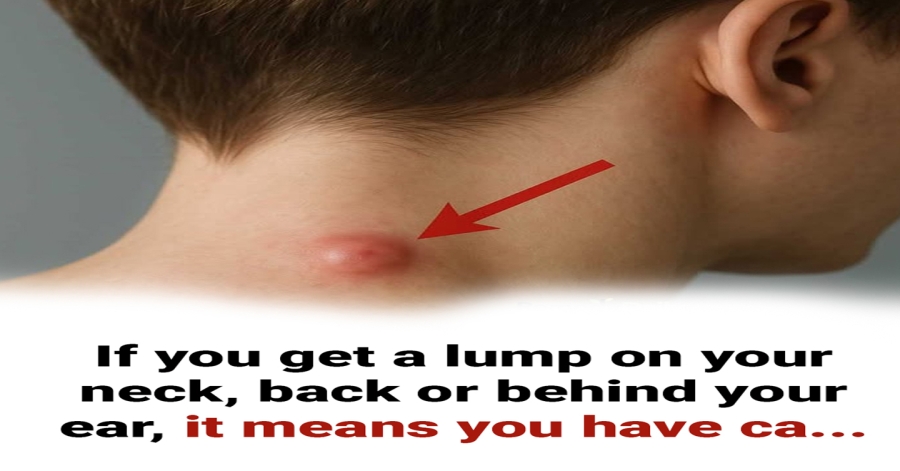
Discovering a lump on your neck, back, or behind your ear can be alarming. While many such lumps are harmless, understanding their potential causes, knowing when to seek medical advice, and learning about treatment options is crucial for informed health decisions.
### Understanding Epidermoid Cysts
A common cause of these lumps is an **epidermoid cyst**, a benign, slow-growing growth under the skin. It forms when skin cells multiply beneath the surface, creating a sac filled with keratin (a protein found in skin, hair, and nails). While typically painless, these cysts can become inflamed or infected, leading to redness, swelling, and discomfort.
### Causes and Diagnosis
These cysts often develop from a blocked hair follicle or minor skin injury. Factors like a history of acne or certain genetic conditions can increase susceptibility. Diagnosis usually involves a physical examination by a doctor. If the lump's nature is unclear, they may recommend an ultrasound or a biopsy to rule out other conditions.
### Approach to Home Care and Remedies
While medical evaluation is key for any new or changing lump, some home practices can manage minor discomfort:
* **Do:** Apply a warm compress to reduce swelling. Keep the area clean and avoid picking or squeezing.
* **Consider with Caution:** Some turn to natural remedies like diluted tea tree oil or aloe vera for their soothing properties. However, these are not proven treatments for cysts and can irritate skin.
**Crucially, never attempt to drain or pop a cyst yourself**, as this risks serious infection and scarring.
### When to See a Doctor
Seek professional medical advice if you notice any of the following:
* Rapid growth or change in the lump’s appearance.
* Signs of infection: increased pain, redness, warmth, or pus.
* The lump becomes fixed or hard.
* You experience fever or unexplained weight loss alongside the lump.
### Medical Treatment Options
For problematic or bothersome cysts, a doctor can provide effective solutions:
* **Incision and Drainage:** A quick procedure to relieve pressure and infection.
* **Surgical Removal:** The most definitive treatment, where the entire cyst sac is removed to prevent recurrence.
* **Antibiotics:** Prescribed if a bacterial infection is present.
### Prevention
While not all lumps are preventable, maintaining good skin hygiene, using non-comedogenic skincare products, and avoiding skin trauma can help reduce risks. Regular check-ups with a dermatologist are advisable for those prone to skin cysts.
In summary, while a new lump can be concerning, most are benign. Paying attention to changes, practicing careful self-care, and consulting a healthcare professional for proper diagnosis and treatment ensures the best outcome for your health.