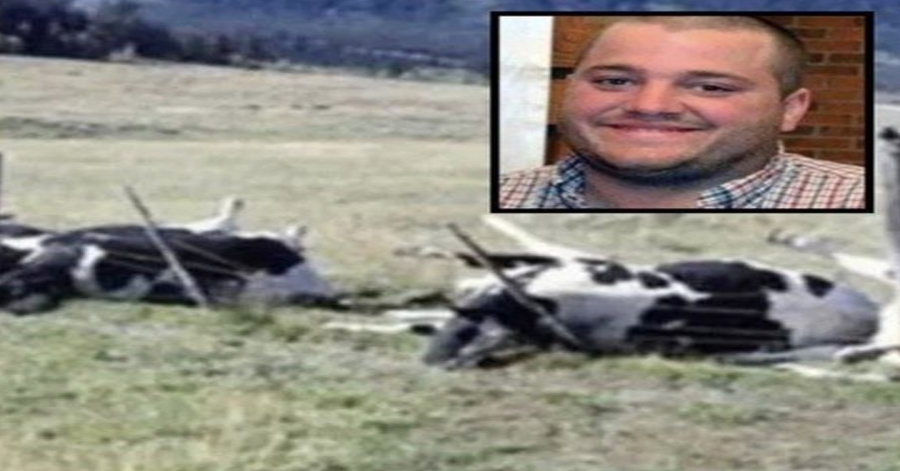
On an ordinary summer morning in 2016, Michael Biadasz set out to complete a routine task he had performed countless times on his family's farm in Amherst, Wisconsin: preparing the manure pit for hauling. What should have been just another workday, however, turned into an unimaginable tragedy. The passionate young farmer and sixteen of his cows lost their lives to a hidden, invisible danger.
On August 15, 2016, the 29-year-old beef farmer approached the manure pit with his trademark enthusiasm. He even snapped a photo and shared it on Snapchat, playfully calling out the "liquid gold" he was about to mix. It was a task he had safely completed many times before. But that morning was different.
As Mike used farm equipment to stir the manure, an invisible danger lurked in the air. Unbeknownst to him, deadly fumes released from the pit became trapped by an unusual weather pattern. A layer of warm air high in the sky, combined with morning fog, prevented the gases from dispersing. The toxic buildup quickly overcame him. By the time other farm workers arrived at 6:30 a.m., expecting to haul away the manure, Mike was already gone. Sixteen cattle standing nearby also succumbed to the fumes.
Steve Burclaw had been working on the farm with Mike for about three years, and in that short time, they had become close friends. On that fateful morning, Burclaw arrived to help haul manure, unaware that anything was wrong. As he approached, everything seemed normal—just another routine day on the farm. "There was really no sign of anything being different, or odd, or wrong," Burclaw recalled. "We've all seen foggy mornings before." But Mike lay motionless at the very edge of the pit, his body eerily still as the farm workers stumbled upon him.
According to Portage County Coroner Scott Rifleman, the accident resulted from an extremely rare weather phenomenon. When the manure holding tank was prepped for emptying, warm upper air temperatures trapped a lethal concentration of gases—likely methane or hydrogen sulfide—in a dome over the area. The atmospheric pressure prevented the gases from dissipating, creating a deadly situation in an open space, something highly unusual for gas poisoning cases.
Mike's family was deeply shocked when they received the tragic news. Bob Biadasz sat in the house, sipping his coffee, when the phone rang. On the other end, a friend delivered the heartbreaking news—Mike, his son, business partner, and the fourth-generation heir to their family legacy, was gone.
Bob would always remember Mike as not just a dedicated and skilled farmer with an unshakeable work ethic, but as someone who could light up any room. Outgoing and warm, Mike had a rare gift for connecting with people of all ages—"he could talk to anyone, young or old."
Mike's sudden loss devastated his family, leaving his parents and three sisters struggling to imagine life without him. The shock rippled through the community, drawing more than 1,200 mourners to his visitation—more people than the entire population of Amherst itself. The outpouring of grief was a testament to the kind of person Mike was and the impact he had on those around him. "I never realized Mike touched so many people," his father told the Stevens Point Journal.
In the wake of their grief, Mike's family, friends, and community turned their sorrow into action. They established the Mike Biadasz Farm Safety and Education Memorial Fund, a mission dedicated to preventing similar tragedies and educating farmers about the hidden dangers of their everyday work. The fund works to raise awareness about the risks of manure gas exposure and provides farmers with the knowledge and tools to stay safe. Their efforts include educational events, safety training, and advocacy for stronger regulations surrounding manure storage and ventilation. The mission is clear: farmers work hard to feed the world, and they deserve the best information and resources to protect themselves and their workers.
Shortly after Mike's passing, his family and friends lined the road leading to Biadasz Farms with tractors and machinery as a tribute to his life and legacy. His black pickup truck, along with a row of blue and red farm vehicles, stood as a silent yet powerful symbol of love and remembrance.
The work of the Biadasz family continues to inspire change in farm safety practices across the country. Through awareness, education, and advocacy, they are ensuring that no other farmer—or family—has to suffer the same loss.
Mike Biadasz's tragic passing serves as a stark reminder of the hidden dangers farmers face every day, highlighting the importance of awareness and safety in agricultural work. By sharing Mike's story, we can help prevent similar tragedies and ensure that farmers have the resources they need to protect themselves and their workers. Spreading Mike's legacy not only honors his memory but also contributes to creating a safer farming environment for all.