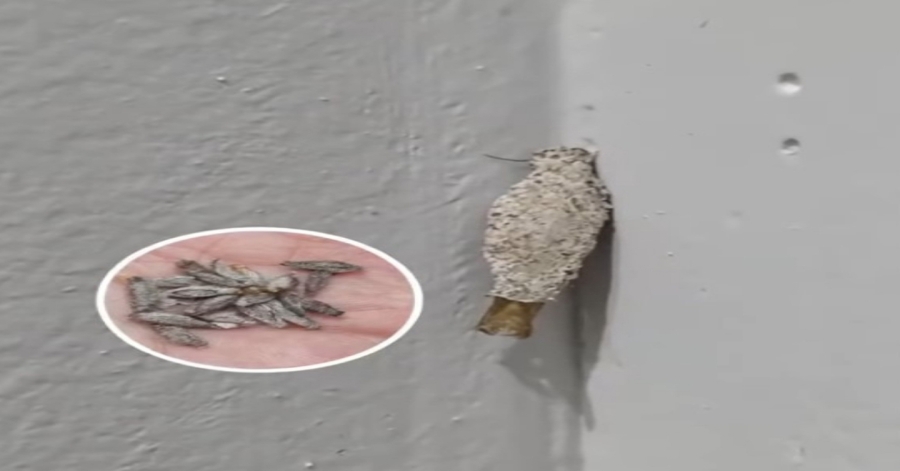
The household casebearer, commonly known as the **kamitetep** or plaster bagworm, is a small moth whose larval stage is often spotted in homes. While these pests are not dangerous to humans, they are a nuisance. Their larvae feed on organic debris, and understanding what draws them inside is the first step to effective prevention.
Here are the key factors that contribute to a kamitetep infestation:
#### **1. High Humidity and Poor Ventilation**
These pests thrive in damp, stagnant air. Poorly ventilated areas like **bathrooms, basements, and spaces under sinks** create an ideal habitat. Moisture encourages their development and promotes the growth of mold and dust, which are additional food sources.
#### **2. Accumulated Organic Debris**
Kamitetep larvae sustain themselves on a diet of **dust, pet dander, human hair, and dead skin cells**. Homes that are infrequently cleaned or vacuumed provide a steady food supply, allowing a small problem to quickly become a larger infestation.
#### **3. Natural Fabrics and Textiles**
The larvae have a particular appetite for **wool, silk, and felt**. Clothing, rugs, or blankets made from these materials—especially if stored in dark, undisturbed places—are prime targets. While synthetic fibers are less appealing, they can still be damaged if other food is scarce.
#### **4. Clutter and Undisturbed Spaces**
**Dark, cluttered areas** offer the perfect shelter for larvae to develop unnoticed. Piles of old newspapers, cardboard boxes, and the space behind rarely moved furniture provide both protection and a abundant organic material to feed on.
#### **5. Presence of Pets**
Households with cats or dogs need to be especially vigilant. **Shed pet hair** is a significant food source for kamitetep larvae, and it often accumulates quickly in corners and under furniture, mixing with dust to create an ideal breeding ground.
#### **6. Seasonal and Climate Conditions**
Infestations are most common in the **warmer, more humid months**. However, in regions with consistently warm, damp conditions indoors (perhaps due to a humidifier or climate), populations can persist year-round.
#### **7. Lack of Regular Inspection**
Out of sight often means out of mind. Failing to regularly check **under beds, inside closets, and behind furniture** allows early signs of an infestation to go undetected, giving larvae time to mature and multiply.
### **Conclusion: How to Keep Them Out**
Kamitetep moths are attracted to homes that offer **moisture, food, and shelter**. You can significantly reduce your risk of an infestation by:
* **Controlling humidity** with dehumidifiers and improved ventilation.
* **Vacuuming and dusting** regularly to eliminate food sources.
* **Storing natural fiber items** in sealed containers.
* **Reducing clutter** to minimize hiding spots.
* **Grooming pets regularly** and cleaning up their shed hair.
By addressing these factors, you can maintain a cleaner, less inviting environment for these common household pests.