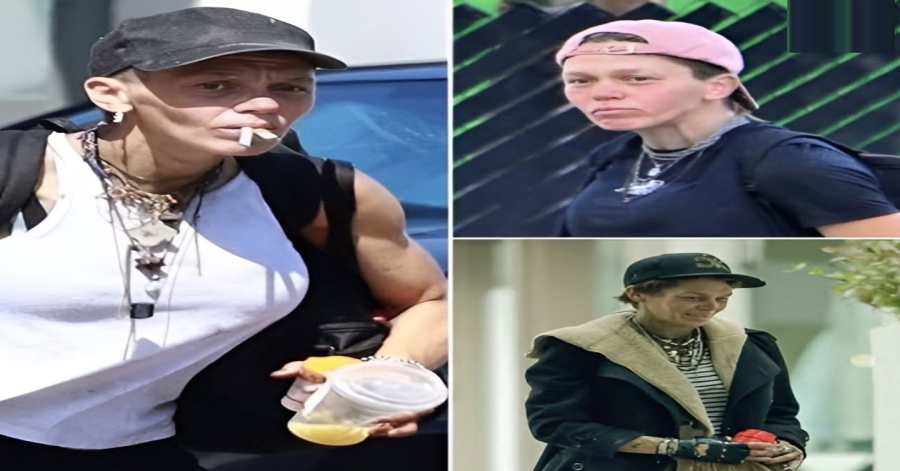
Once a rising star in the fitness world, Loni Willison now lives on the streets—and she holds her ex-husband, former *Baywatch* actor Jeremy Jackson, partly responsible for her downfall. In a candid interview published Friday by X17 Online, the 39-year-old opened up about the mental health struggles and substance abuse that derailed her life, tracing much of her pain back to her tumultuous marriage to Jackson.
Willison, who once graced the pages of *Flavour*, *Iron Man*, and *Glam Fit*, was a celebrated fitness model whose beauty and talent captivated audiences. But behind the glossy images, she says, her private life was unraveling. Her relationship with Jackson, she revealed, was marred by abuse—including an alleged incident in which he attempted to choke her while intoxicated. "At least I was able to get a divorce," she said in the interview, hinting at the relief she felt in ending the marriage, even as its aftereffects continued to haunt her.
The couple split in 2014 after less than two years of marriage, and Willison largely vanished from public view for nearly four years. When she resurfaced in 2018, the transformation was shocking: her hair was unkempt, her teeth were missing, and she was barely recognizable as the vibrant model she had once been. Her reappearance laid bare the ravages of addiction and untreated mental illness, sparking both concern and sympathy from onlookers.
In her latest interview, Willison described living in constant physical and emotional agony. She spoke of severe stomach pain and claimed to have been "electrocuted" daily for almost a year, a sensation she associates with an extreme sensitivity to electricity—a condition that has made indoor living unbearable. "I cannot live inside anywhere," she said, explaining that she can detect electrical currents and certain materials, which she feels are toxic to her well-being. When asked if she had sought help from the city of Los Angeles, her reply was bleak: "There's nothing that anybody can offer me."
Despite her despair, Willison conveyed a weary acceptance of her circumstances. "There are good parts and there are bad parts, but whatever," she remarked, reflecting a complex mix of resignation and resilience. In earlier interviews, including one with the *Daily Mail* in 2018, she had spoken openly about her crystal meth addiction and the psychological torment she endured within her own home—a battle that continues to this day.
Jeremy Jackson, too, has struggled with addiction, including alcohol, drugs, and steroids, and has faced legal troubles, such as a 2015 plea deal related to an alleged stabbing incident. The mutual cycle of substance abuse in their relationship underscores how interpersonal dynamics can amplify mental health crises and accelerate personal decline.
Willison’s story is a stark reminder of the fragility of fame and the devastating consequences of untreated addiction and trauma. Her plight highlights the urgent need for accessible mental health services and compassionate support systems, particularly for those who slip through the cracks of society. As public awareness grows, so too does the responsibility to respond with empathy—not judgment—to individuals like Willison, whose lives are defined as much by suffering as by survival.