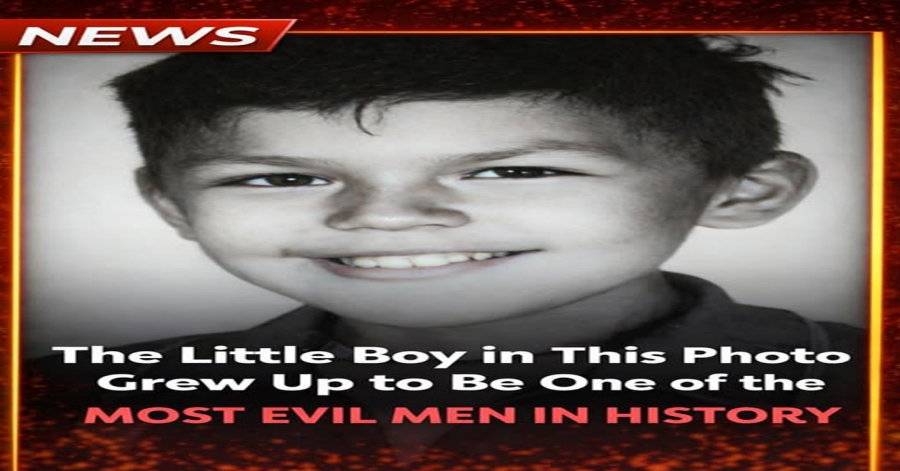
At first glance, the boy in the photograph looks harmless—a faint smile, bright eyes, the kind of face you’d expect to see in a school yearbook or a family album. Nothing about him hints at darkness. Yet decades later, his name would become synonymous with fear: Richard Ramirez, the Night Stalker.
People would whisper it on the news, lock their doors, and shudder that this nightmare once began as a child who looked like any other. He grew up in a troubled environment marked by violence and instability, where exposure to brutality reshaped his sense of right and wrong.
Neighbors recalled that nothing seemed "off” at first—he blended in, laughed, existed quietly, like a shadow forming before anyone realized it could move on its own. As an adult, that quiet presence turned sinister, with a string of horrific crimes spreading panic across cities. What shocked many wasn’t just the brutality, but how ordinary his beginnings appeared. There was no single moment where evil announced itself, no obvious warning sign. Instead, it was a slow unraveling shaped by neglect and trauma.
The photo forces an uncomfortable truth: monsters often look like children we’d never think twice about passing on the street. Psychologists still debate how much of his fate was environment versus personal responsibility, but the contrast remains undeniable—the boy represents innocence; the man, one of the darkest chapters in criminal history.
Today, the photograph continues to unsettle us, reminding us how thin the line can be between normalcy and horror. Once you know who that boy became, you can never see the photo the same way again.