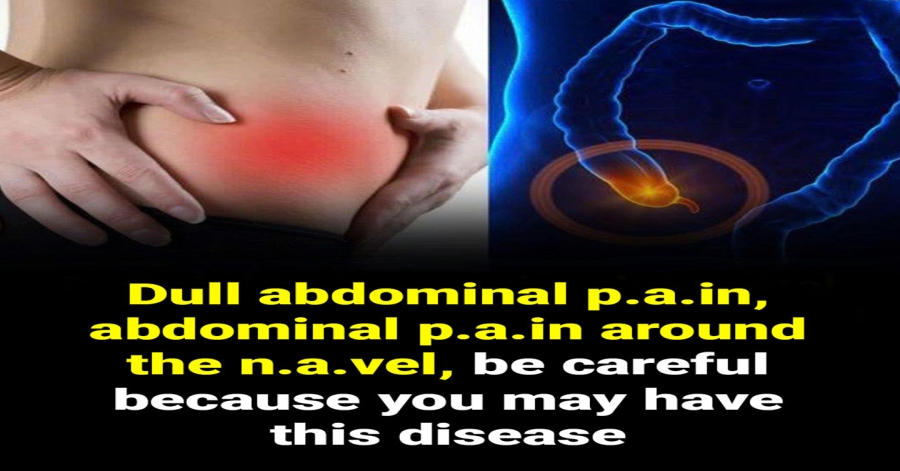
A dull ache around the navel (belly button) is a common symptom with many possible causes, ranging from mild to serious. While often harmless, persistent or worsening pain should not be ignored. Here’s a breakdown of potential causes and when to see a doctor.
---
### **Common Causes of Navel Pain**
#### **1. Appendicitis**
- **Symptoms:** Pain typically starts near the navel before moving to the lower right abdomen, along with fever, nausea, or vomiting.
- **Why it’s serious:** Untreated appendicitis can lead to a ruptured appendix—a medical emergency requiring immediate surgery.
#### **2. Gastroenteritis (Stomach Flu)**
- **Symptoms:** Cramping, diarrhea, vomiting, and sometimes fever.
- **Treatment:** Usually resolves with rest and fluids, but severe cases may need medical care to prevent dehydration.
#### **3. Irritable Bowel Syndrome (IBS)**
- **Symptoms:** Recurrent cramping, bloating, and changes in bowel habits (diarrhea or constipation).
- **Management:** Dietary adjustments, stress reduction, and medications can help control symptoms.
#### **4. Hernia**
- **Symptoms:** Pain or a bulge near the navel, especially when straining, coughing, or lifting heavy objects.
- **Risk:** If a hernia becomes trapped (incarcerated), it can cut off blood flow, requiring urgent treatment.
#### **5. Umbilical Hernia or Infection**
- **Symptoms:** Tenderness, swelling, or redness at the belly button.
- **Concerns:** Infections may need antibiotics, while hernias might require surgical repair if they don’t resolve on their own.
#### **6. Peptic Ulcer Disease**
- **Symptoms:** Burning or gnawing stomach pain that may radiate to the navel, often worsening on an empty stomach.
- **Complications:** Untreated ulcers can bleed or perforate, making early diagnosis crucial.
#### **7. Food Intolerances (e.g., Lactose, Gluten)**
- **Symptoms:** Bloating, gas, diarrhea, and cramping after eating trigger foods.
- **Solution:** Identifying and avoiding problematic foods can relieve discomfort.
---
### **When to Seek Medical Attention**
See a doctor **immediately** if you experience:
✔ **Severe or worsening pain**
✔ **Fever, chills, or persistent vomiting**
✔ **Blood in stool or vomit**
✔ **Unexplained weight loss**
✔ **Hard abdomen or inability to pass gas/stool**
Early diagnosis and treatment can prevent complications, so don’t ignore persistent abdominal pain. If in doubt, consult a healthcare provider.