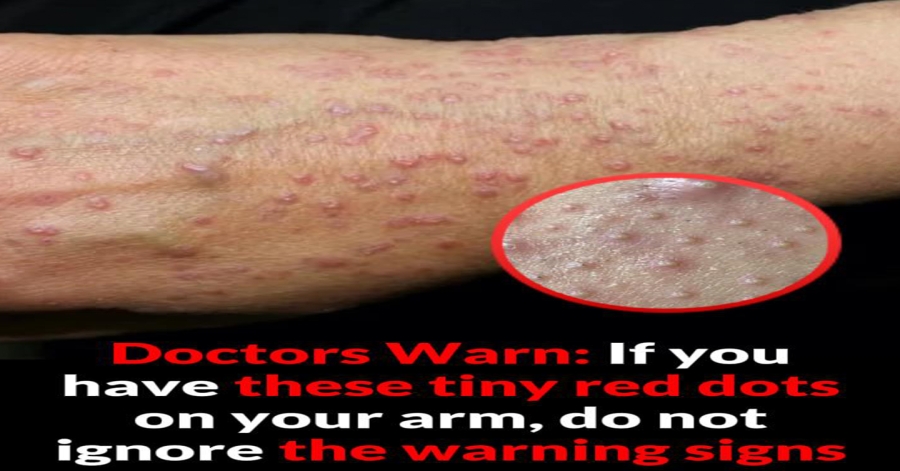
The UK is currently experiencing significant and unusual outbreaks of scabies, with reported cases soaring above the five-year average. Medical professionals are urging the public to seek treatment immediately if symptoms appear and to overcome any hesitation caused by social stigma.
Scabies is an intensely itchy rash caused by microscopic mites that spread through prolonged close skin contact. It can affect anyone and is not a reflection of poor hygiene. Early treatment is critical to stop its spread and prevent complications.
**Key Symptoms to Watch For:**
* Severe itching, often worse at night.
* A raised rash or small red spots.
* Common sites include between fingers, around wrists, underarms, waist, groin, and buttocks.
While the rash usually spares the head and neck in adults, it can appear there in young children, the elderly, and people with weakened immune systems. In rare cases, immunocompromised individuals may develop a highly contagious form called crusted scabies, which causes a thick, flaky rash.
**A Growing Public Health Concern**
Hospital diagnoses have surpassed 3,600 cases nationally. According to Professor Kamila Hawthorne, Chair of the Royal College of GPs, case numbers are rising, with a notable spike in northern England.
"While not a serious condition, scabies can be very itchy and irritating,” said Professor Hawthorne. "If not properly treated, it can spread widely and increase the risk of complications like secondary skin infections or worsen existing skin conditions.”
A major factor driving the outbreak is a national shortage of the standard prescription treatments. Combined with the reluctance some feel to seek help due to embarrassment, this shortage has allowed the infestation to spread more easily within communities.
Doctors stress that scabies is a medical issue requiring professional care. Ignoring symptoms not only prolongs personal discomfort but also contributes to wider community transmission.