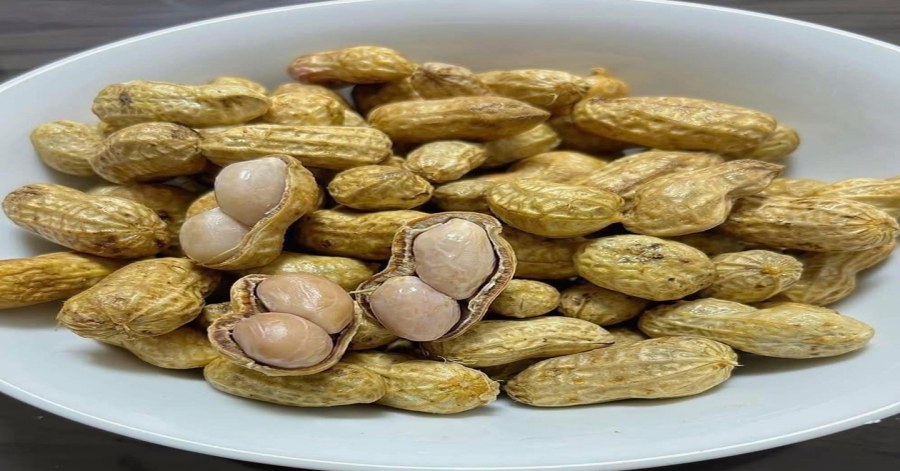
Peanuts are a popular and nutritious snack, packed with protein, healthy unsaturated fats, and essential vitamins and minerals like Vitamin E, B6, and magnesium. They offer significant health benefits, such as supporting heart health, stabilizing blood sugar, and promoting a feeling of fullness. However, for certain individuals, eating peanuts—especially the often-recommended boiled variety—can pose serious health risks.
#### **The Health Benefits of Peanuts**
When consumed in moderation by most people, peanuts contribute to overall wellness in several ways:
* **Enhanced Satiety:** The combination of protein and fat helps you feel full longer, which can aid in appetite control and weight management.
* **Blood Sugar Stability:** Peanuts can slow the absorption of carbohydrates, helping to prevent sharp spikes in blood sugar.
* **Heart Health:** The nutrients in peanuts, including unsaturated fatty acids, can help reduce bad cholesterol, lower blood pressure, and decrease the risk of cardiovascular diseases.
* **Reduced Disease Risk:** Some studies suggest regular, moderate peanut consumption may be linked to a lower risk of type 2 diabetes, gallstones, and certain cancers, like rectal cancer.
#### **Crucial Precautions for Everyone**
Even for those without specific health conditions, it's important to follow these guidelines:
* **Practice Moderation:** Overconsumption (typically more than 50g per day) can lead to weight gain and digestive issues.
* **Avoid When Moldy:** Never eat peanuts that show signs of mold, as they may contain aflatoxin, a potent carcinogen.
* **Be Cautious on an Empty Stomach:** Eating peanuts when hungry may cause stomach discomfort or cramps for some individuals.
* **Consult a Doctor if on Blood Thinners:** The vitamin E in peanuts can affect blood clotting, so medical advice is essential.
#### **Who Should Avoid Peanuts, Especially Boiled Ones?**
While boiled peanuts are a healthier preparation method than frying, they are not safe for everyone. The following groups should be particularly cautious or avoid them entirely:
1. **Individuals with a Peanut Allergy:**
This is the most critical group. Peanut allergies can be severe and life-threatening, potentially causing hives, difficulty breathing, swelling, and anaphylactic shock. Even a tiny amount must be completely avoided.
2. **People with Gout or High Uric Acid:**
Peanuts contain vegetable protein, which can increase uric acid levels in the blood. This can trigger painful gout attacks. While small, infrequent portions might be tolerated, they should be avoided altogether during a gout flare-up.
3. **Those with Chronic Digestive Issues:**
The high fat content makes peanuts difficult to digest. For people with weak digestive systems, such as the elderly, those recovering from illness, or individuals prone to bloating and indigestion, peanuts can cause significant stomach discomfort, gas, and bloating.
In conclusion, while peanuts are a beneficial food for many, it is crucial to understand your own health status. If you fall into any of the at-risk categories, consulting with a healthcare professional before consuming peanuts is the safest course of action.