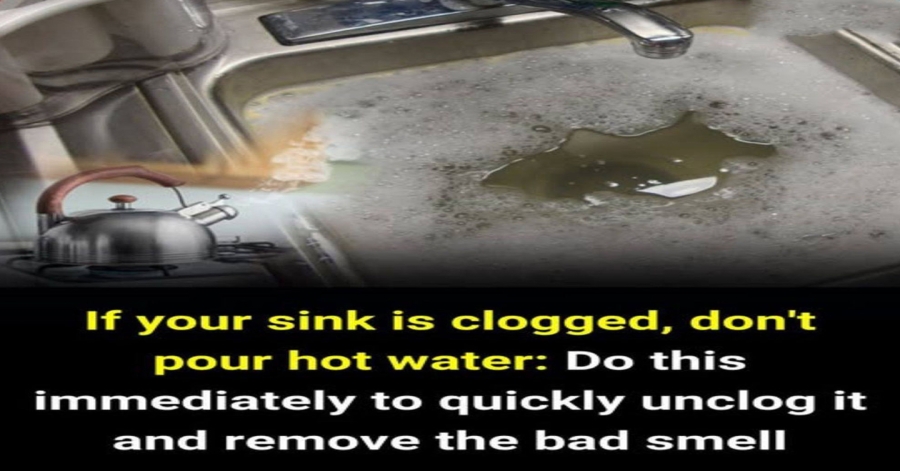
A clogged drain is a major inconvenience, especially in an apartment, disrupting simple daily tasks like washing hands, dishes, or showering. Beyond the hassle, a blockage can cause water to overflow, creating unpleasant odors and promoting bacterial growth that poses a health risk.
Common culprits for these clogs include grease, food scraps, hair, and accumulated waste. Before considering dismantling the pipes, try these effective methods to clear the obstruction.
Begin by attempting to physically remove the blockage. A small, flexible drain tool can reach into narrow pipes to extract debris, grease, and hair. If you don't have a specialized tool, you can fashion a DIY solution by bending a metal wire into a hook. Ensure any homemade tool is secure to avoid it breaking off and worsening the clog.
For solid obstructions, a pressure plunger can be highly effective. The force it creates can often dislodge stuck debris. Note that this method is less effective against clogs caused primarily by grease.
If physical removal isn't successful, a chemical reaction can help. Pour baking soda into the drain, followed by white vinegar or citric acid. This combination creates a foaming action that generates pressure to break up the clog. Let the solution sit for 30 minutes before flushing the drain with warm water. This technique not only clears blockages but also neutralizes bad odors.
A simple mixture of detergent and hot water can also dissolve grease. Combine one part detergent with three parts hot water, stir until dissolved, and pour it down the drain. The alkaline properties in the detergent work to break down oil and grime.
For stubborn clogs, a commercial drain cleaner is a powerful option. These specialized powders are formulated to dissolve tough debris. Always prioritize safety by wearing gloves, a mask, and protective clothing when using these chemicals.
Preventing future clogs is key to maintaining clear pipes. Install a filter or a fine mesh strainer over the drain to catch hair and food particles. Since grease is a primary cause of blockages, make a habit of flushing the drain with warm water after washing dishes to dissolve oil buildup. Avoid using boiling water, as it can damage certain types of plumbing.
By following these steps, you can effectively address drain clogs and maintain a cleaner, healthier, and more functional home environment.