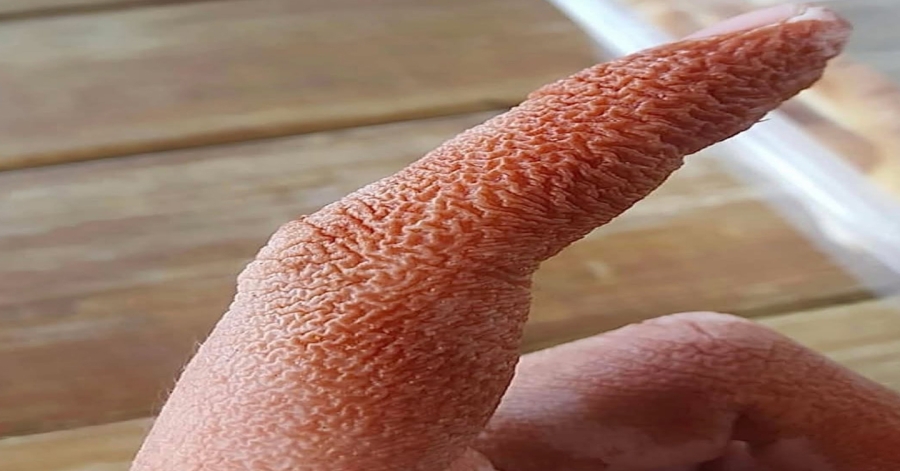
After initial evaluation, a patient presenting with sudden, painful red lesions on the face and neck was urgently referred to dermatology.
During the consultation, the medical team decided to discontinue a recently prescribed medication and initiated a comprehensive diagnostic workup, including a skin biopsy, complete blood count, antibody testing, lupus anticoagulant, and various serology markers. To manage symptoms, the patient began oral corticosteroids. Within 48 hours, the lesions noticeably decreased in intensity and the pain subsided. Laboratory results showed leukocytosis with neutrophilia, positive antibodies and lupus anticoagulant, and negative routine serology. Twenty days later, the biopsy confirmed Sweet syndrome.
Sweet syndrome, or acute febrile neutrophilic dermatosis, is a rare condition characterized by dense neutrophil infiltration in the skin. It typically presents with sudden, painful red bumps or plaques, often asymmetrically on the face, neck, upper trunk, and hands, and is frequently accompanied by fever and significant leukocytosis with neutrophilia. The exact cause is uncertain, but it is thought to be an immune-mediated hypersensitivity reaction triggered by factors such as upper respiratory infections, cancers, or medications. Diagnosis is essential to rule out underlying illnesses, including hidden malignancies.
While the syndrome can be idiopathic, drug-induced cases are more common in women, with triggers including contraceptives, antiepileptics, antibiotics, antihypertensives, vaccines, and colony-stimulating factors—though other medications may also be responsible. Oral corticosteroids are the gold standard initial treatment, often leading to rapid improvement: systemic symptoms may resolve within hours, and skin lesions within a week. In this case, the sudden onset of lesions required a thorough differential diagnosis to exclude urticaria, contact dermatitis, toxicoderma, and cutaneous lupus. Integrating clinical history, lab results, and histopathology enabled the team to reach a definitive diagnosis of Sweet syndrome and provide appropriate targeted care.