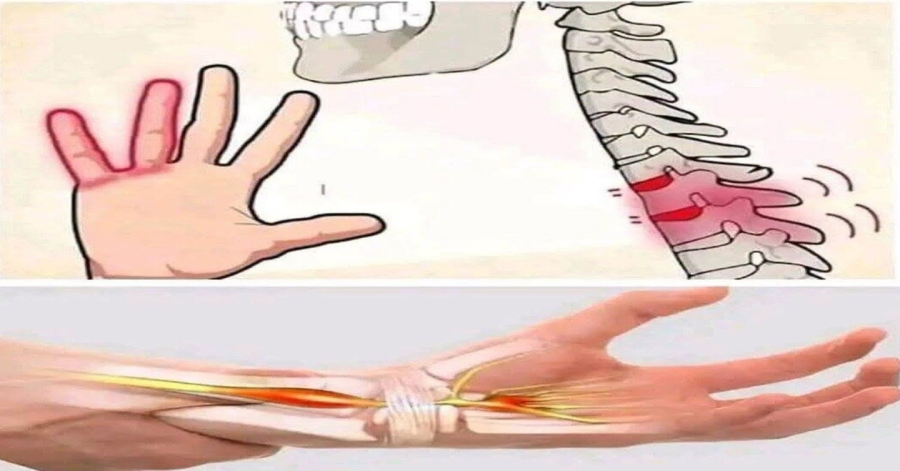
That familiar, uncomfortable numbness and tingling when a body part "falls asleep” is called paresthesia. It most often affects the limbs—hands, arms, feet, and legs—and usually happens when nerves are compressed for a period of time, such as sleeping with your hand under your head, sitting cross-legged too long, or staying in one position for extended periods. Changing position typically restores normal sensation quickly.
The main causes fall into three categories. First, **nerve compression** interrupts signals between the brain and the affected area, leading to numbness and "pins and needles.” Second, **circulation problems** from temporarily compressed blood vessels reduce oxygen and nutrients to the area. Third, **underlying health conditions** like carpal tunnel syndrome, diabetes, multiple sclerosis, or spinal issues can cause frequent or persistent paresthesia. When you move, pressure is relieved, blood flow returns, and nerves "wake up,” producing that prickling feeling as sensation normalizes.
To prevent paresthesia, change positions regularly, avoid tight clothing, take breaks to stretch during long periods of sitting, and maintain good posture. While most cases are harmless and temporary, see a doctor if numbness occurs frequently, lasts a long time, or comes with other symptoms.